

























 162
162 


 TAGASI
Fossil fuels have arguably made the world a better place, allowing for the comfort, sanitation, and stability that transformed daily life for many people. Indoor spaces are now brighter, warmer, and more liveable, even in the harshest northern climates.
Heating and cooling make up half of the EU’s energy consumption, with 75% of this energy being sourced from fossil fuels, and as we know, 40% of global greenhouse gas emissions come from buildings.1 The cultural shift towards using materials and energy that are contained within planetary boundaries requires a reconsideration of the most fundamental assumptions about how buildings interact with the world.
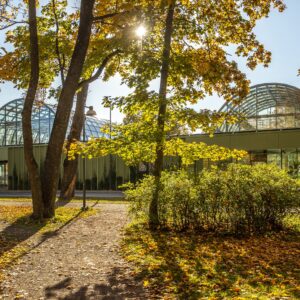
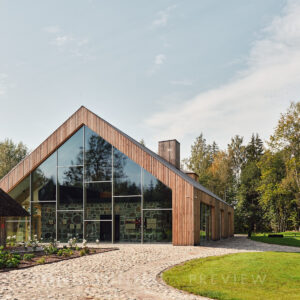
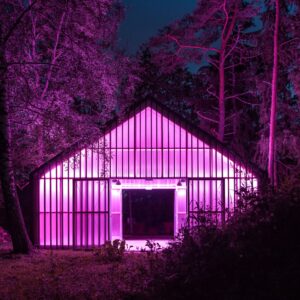
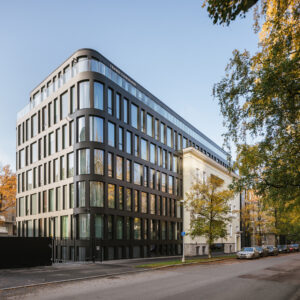
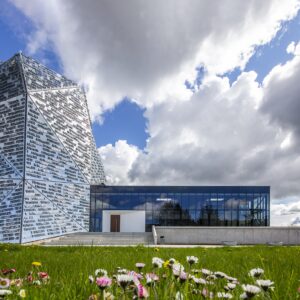
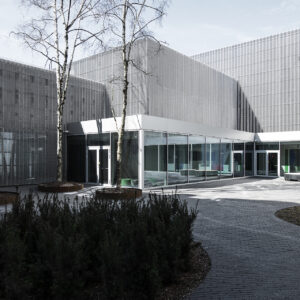
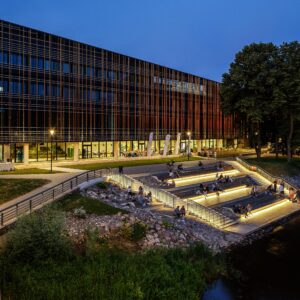
The glass wall or ‘pan de verre’, as conceptualised by Le Corbusier, is perhaps the hallmark of modernist architecture, offering visual transparency and openness between interior and exterior, blurring their boundary. Fossil fuels enabled a voyeuristic viewpoint to natural processes, granting the privilege of close and seemingly immersive observation of the outside world yet with a reserved detachment. The outside world’s naturally occurring flux and imbalances of temperature, humidity, and microbes were to be kept out and absolutely not negotiated with but rather neutralised with the help of fuel-guzzling HVAC and a sealed interior. This ideal has been so seductive and sticky that even today, as one tries to create human habitats that respect planetary boundaries, it is hard to see how the abundant fuel of the recent past has perpetuated questionable points of departure with regard to what this kind of architecture could even mean.
/…/
1 European Commission, ‘Communication from the Commission to the European Parliament, the Council, the European Economic and Social Committee, and the Committee of the Regions: An EU Strategy on Heating and Cooling’ (2016)