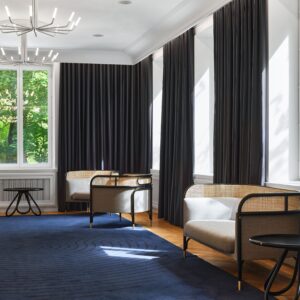
Throughout the construction process, the cooperation with Nordecon, architects of Salto, interior architects of Pille Lausmäe SAB, landscape architects of Polka and other partners was open and focused on solutions. The architects, builders and representatives of the school management all contributed to the success of the complex with great dedication to achieve the maximum quality. The building was originally meant for grades 1-9, however, it was decided in spring 2023 to make it the study building for grades 5-9 thus requiring the redesign of several rooms and areas. The wishes of the school were heard with an open mind and willingness to contribute to the success of the new concept suitable for pupils in grades 5-9. The redesign resulted in a cosy and multifunctional teacher's lounge, new solutions for some classrooms and dressing rooms as well as a radio room bringing a lot of joy to the students.
As a result of the successful cooperation, the students, parents and all employees of the school now have an outstandingly beautiful and functional study building and outdoor area for conducting instruction, organising events, spending their free time and doing sports. In the first months of its use, the new study building and sports complex has been well received by our community as well as visitors. The best part is that the students love it and find it airy, bright and cosy. Keit Fomotškin, Headmaster of Saku Gymnasium
The town of Saku’s new school building and sports facility enrich the community’s architectural scene, serving as a good example of a well-designed public building. The building for basic school students relieves the school’s space constraints and creates high-quality conditions for contemporary education, where the setting is a part of education.
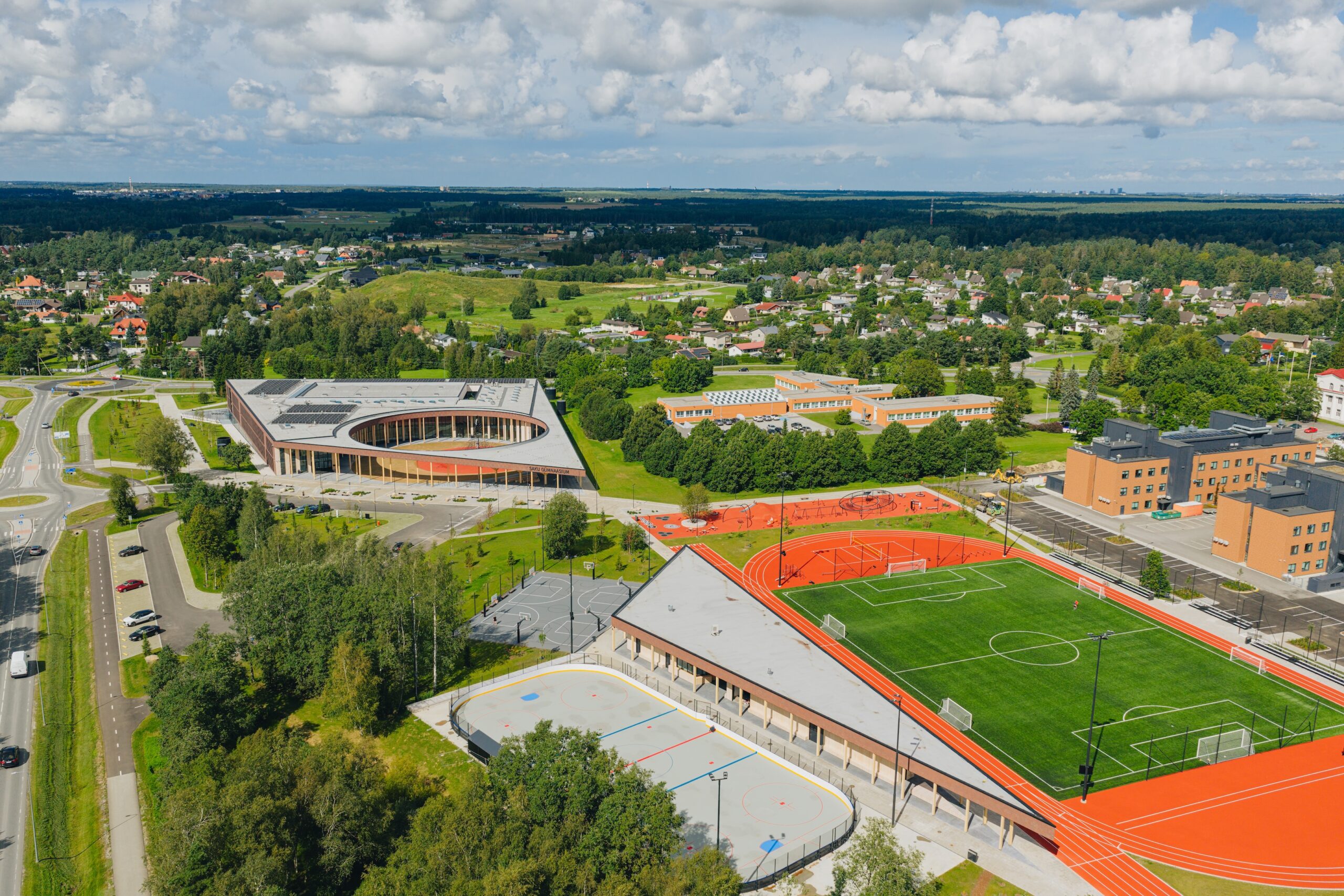
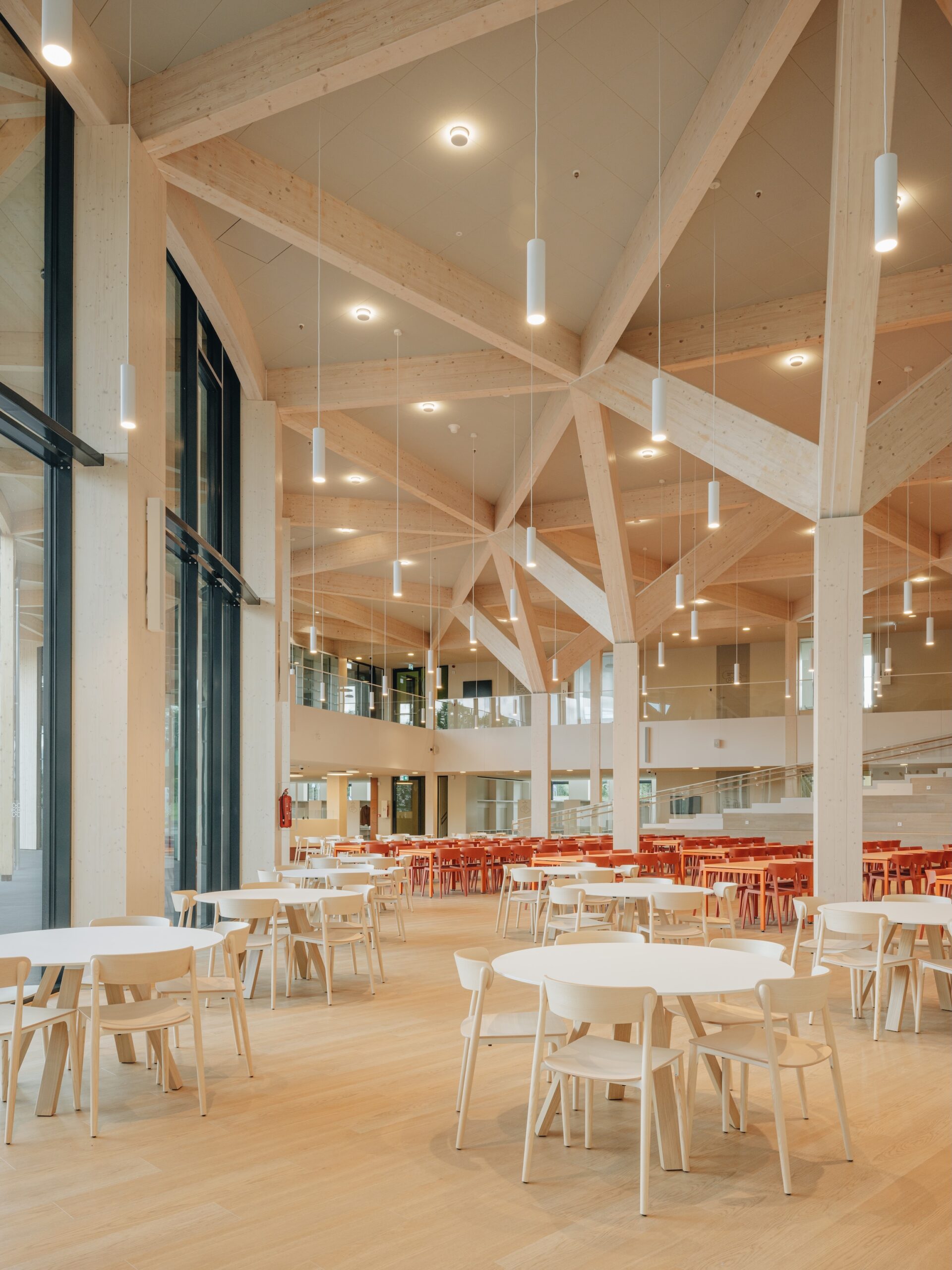
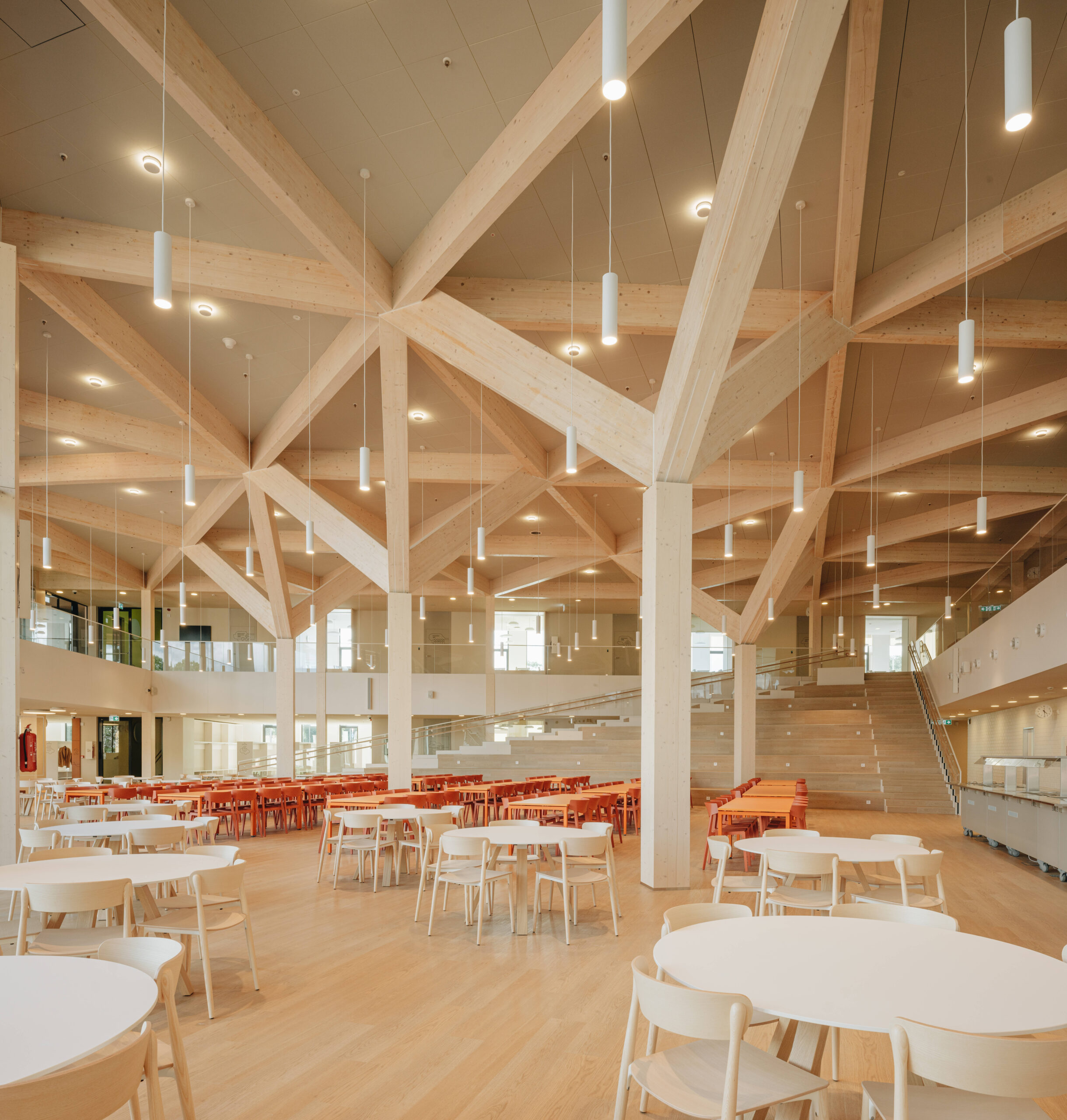
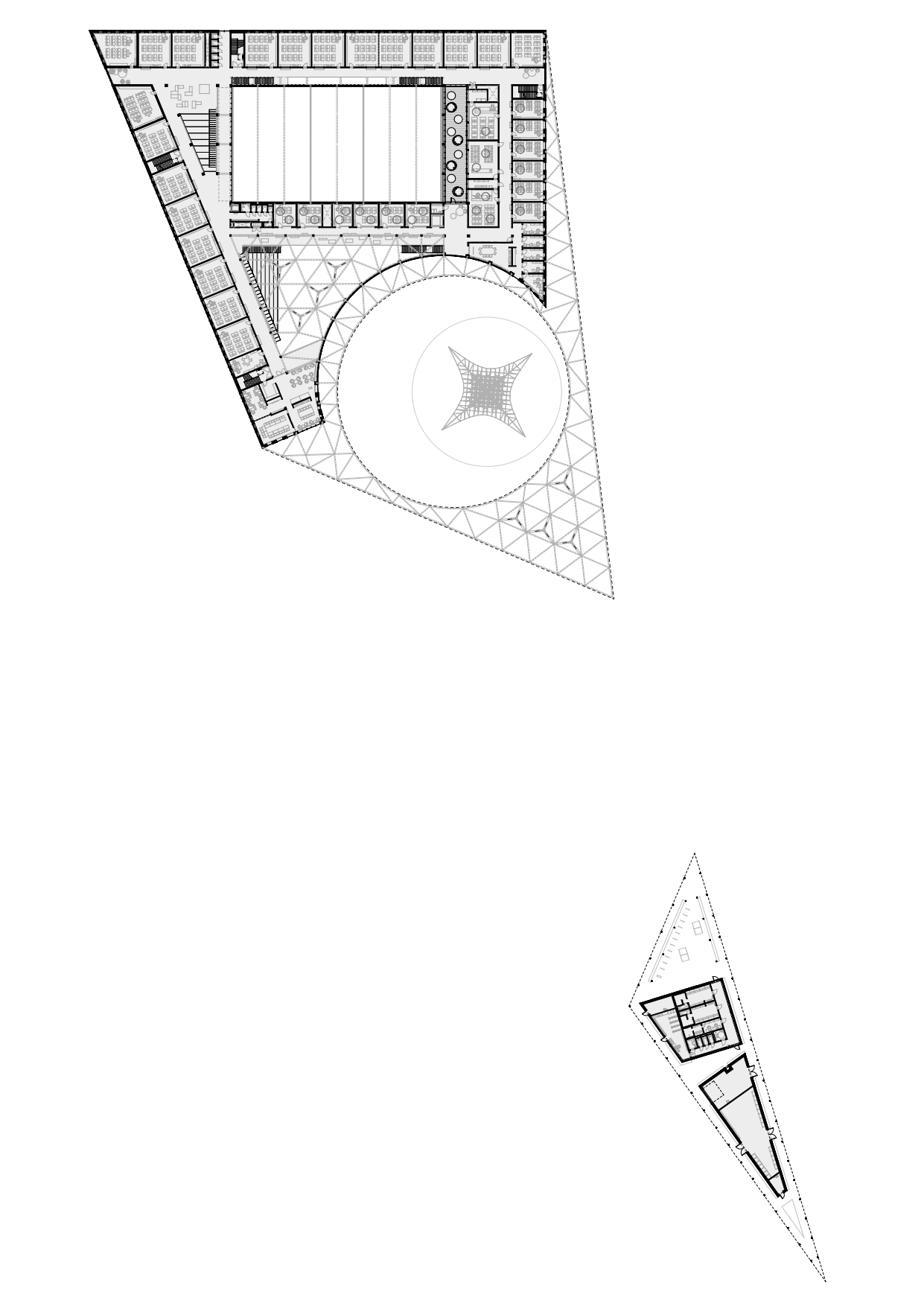
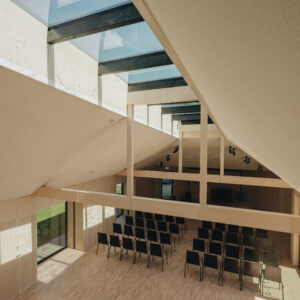
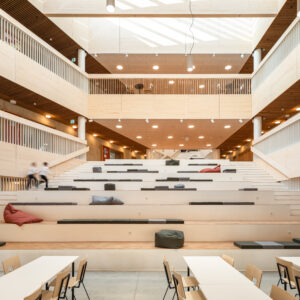
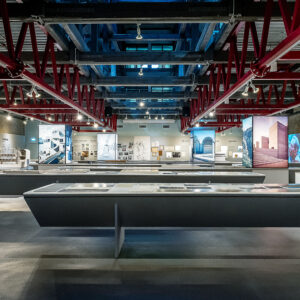
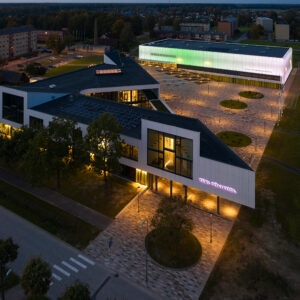
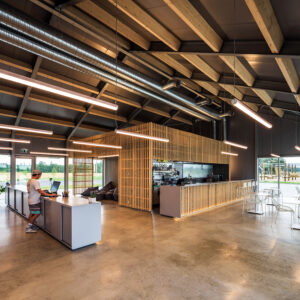
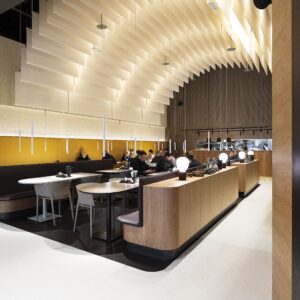
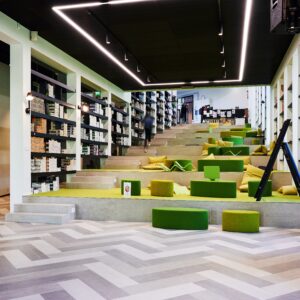
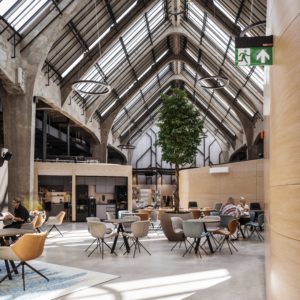
Salto Architects designed the building as a trapezoid in which a circle is inscribed. The building has three storeys and the room inventory doesn’t reveal itself immediately but offers potential for fun discovery and small surprises. That makes the building exciting – a clear and simple geometric shape from the outside turns out to be multilayered on the inside. The coat check area and cafeteria are by the ground floor entrance, as well as the low terraces characteristic of many new school buildings, which can be used as a sort of auditorium as well as for students to congregate in between classes. The dining hall is spacious and airy, extending through two storeys. Posts made of glulam timber, connected in the manner of a Gothic stellar vault, give this interior a rhythm. It adds uniqueness and a slight air of ecclesiastical solemnity to this open area.
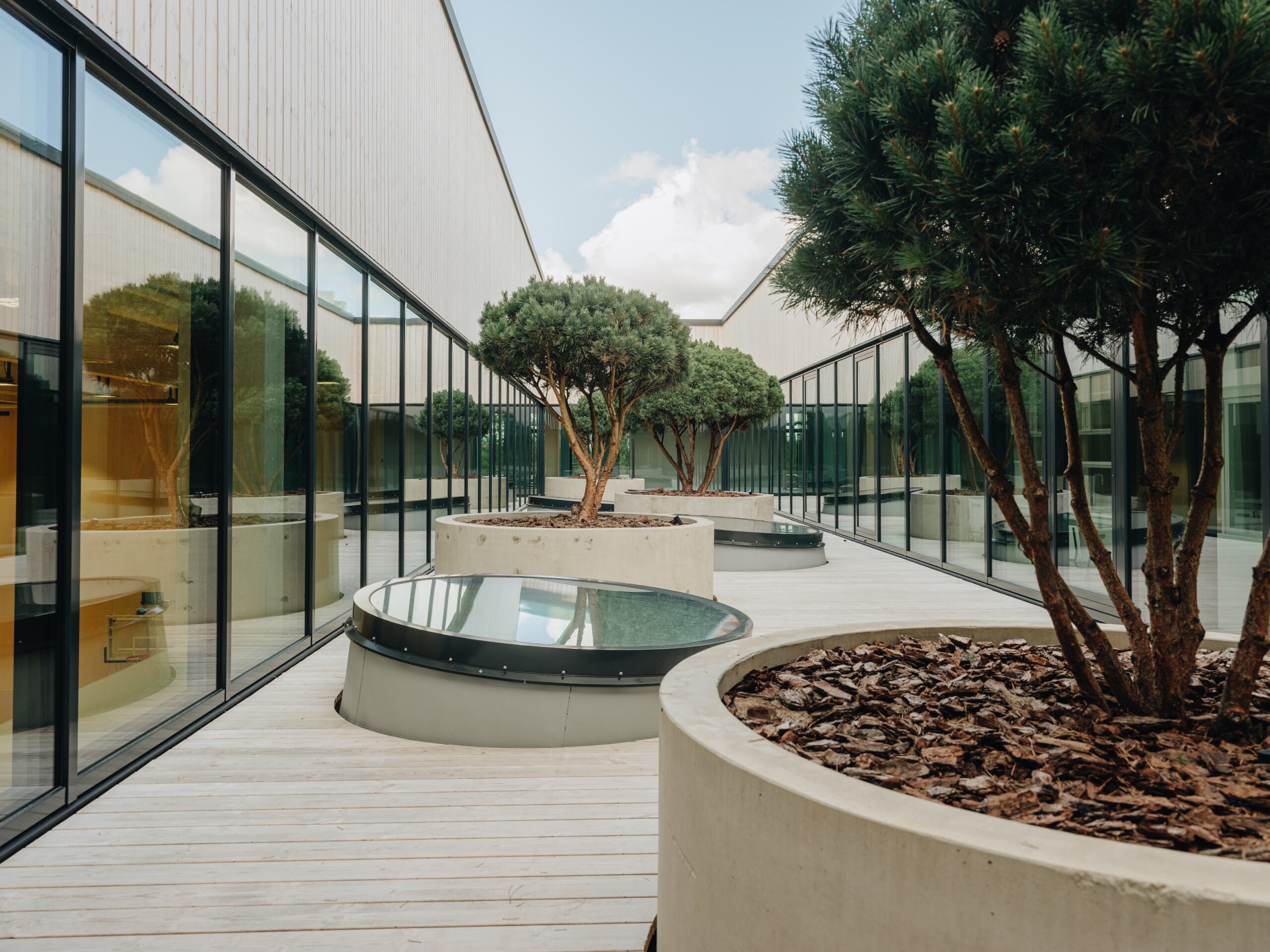
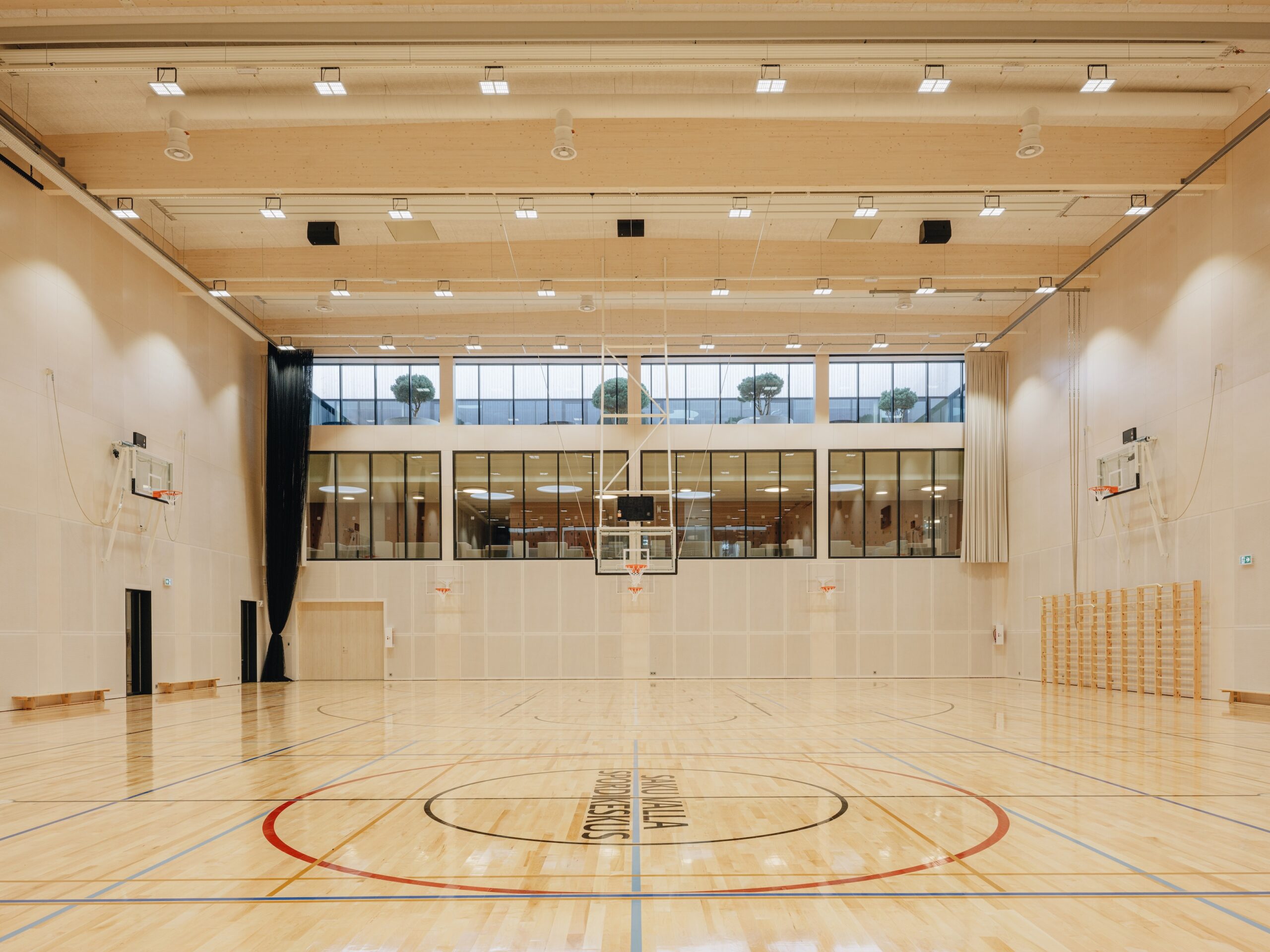
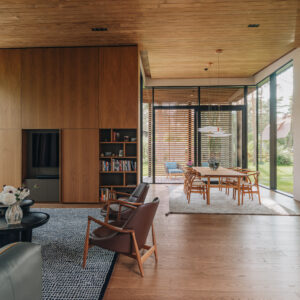
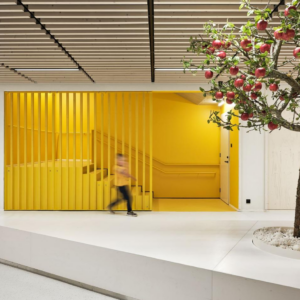
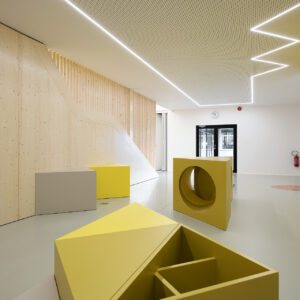
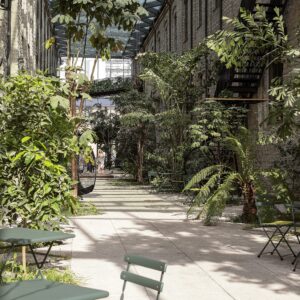
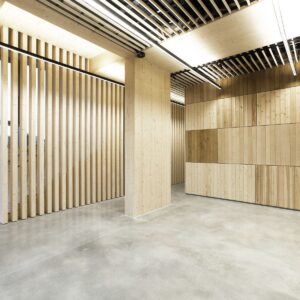
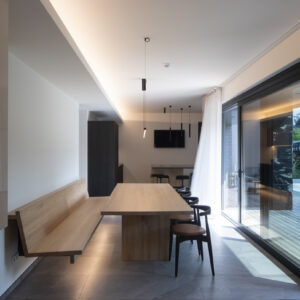
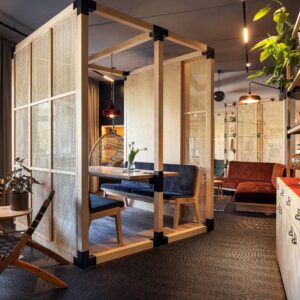
The interior architecture is dominated by furniture in light colour tones, which helps the timber used in the interior to come to the fore. The white-painted brick wall separating the classroom area from the athletic hall is particularly striking. Its Nordic appearance, even reminiscent of Alvar Aalto works, is additionally informed by the skylights that bring in light and create spaciousness even when it is not that light outside. The skylights are plentiful in the school and thus there is ample natural light. One of the most calming places in the new building is what is known as the roof park – mountain pines sculpted into rounded forms leave the impression of a tiny Japanese garden.
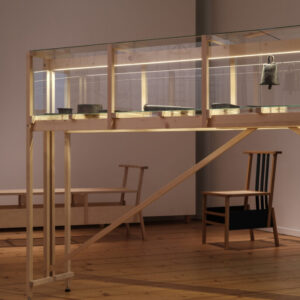
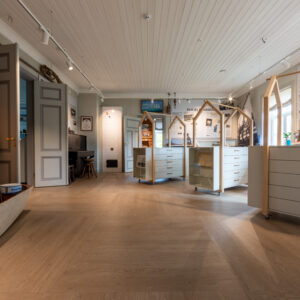
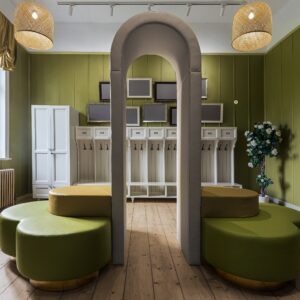
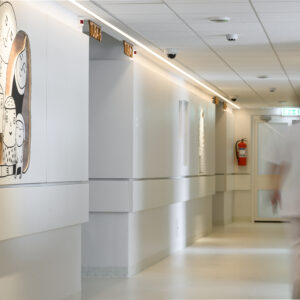
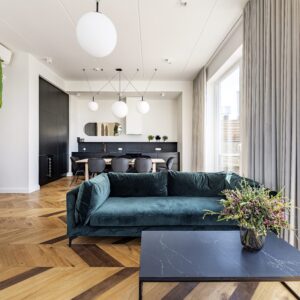
The school community’s favourites are the plush pieces of furniture, which are not bolted down and can be relocated if desired. Teachers and students thus have greater flexibility to customize the room as they see fit. They also have a say in the spatial design when it comes to the glass niches along the corridor: teachers and students have set up neat mini-exhibits in these alcoves for people walking down the hallway to enjoy. If necessary, light-coloured roll-up blinds can be lowered in front of the glass surfaces for privacy.
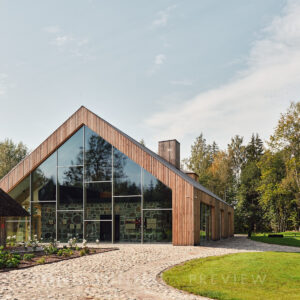
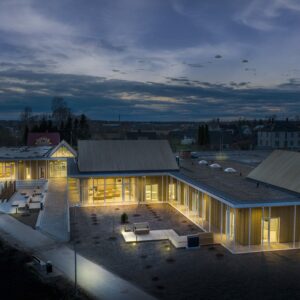
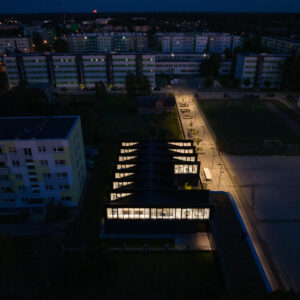
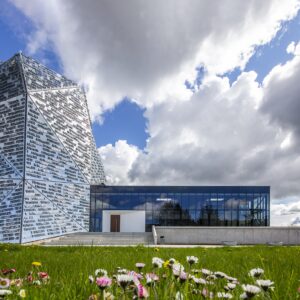
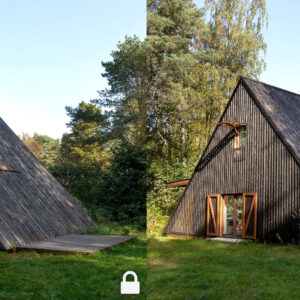
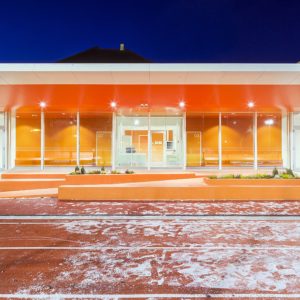
The same geometric play seen in the school continues in the sports facility. Here it is a triangular element. Both buildings are simple and calm on the inside and outside and the timber used throughout creates an intimate and unique spatial experience that people working, teaching and studying at the school can enjoy every day.
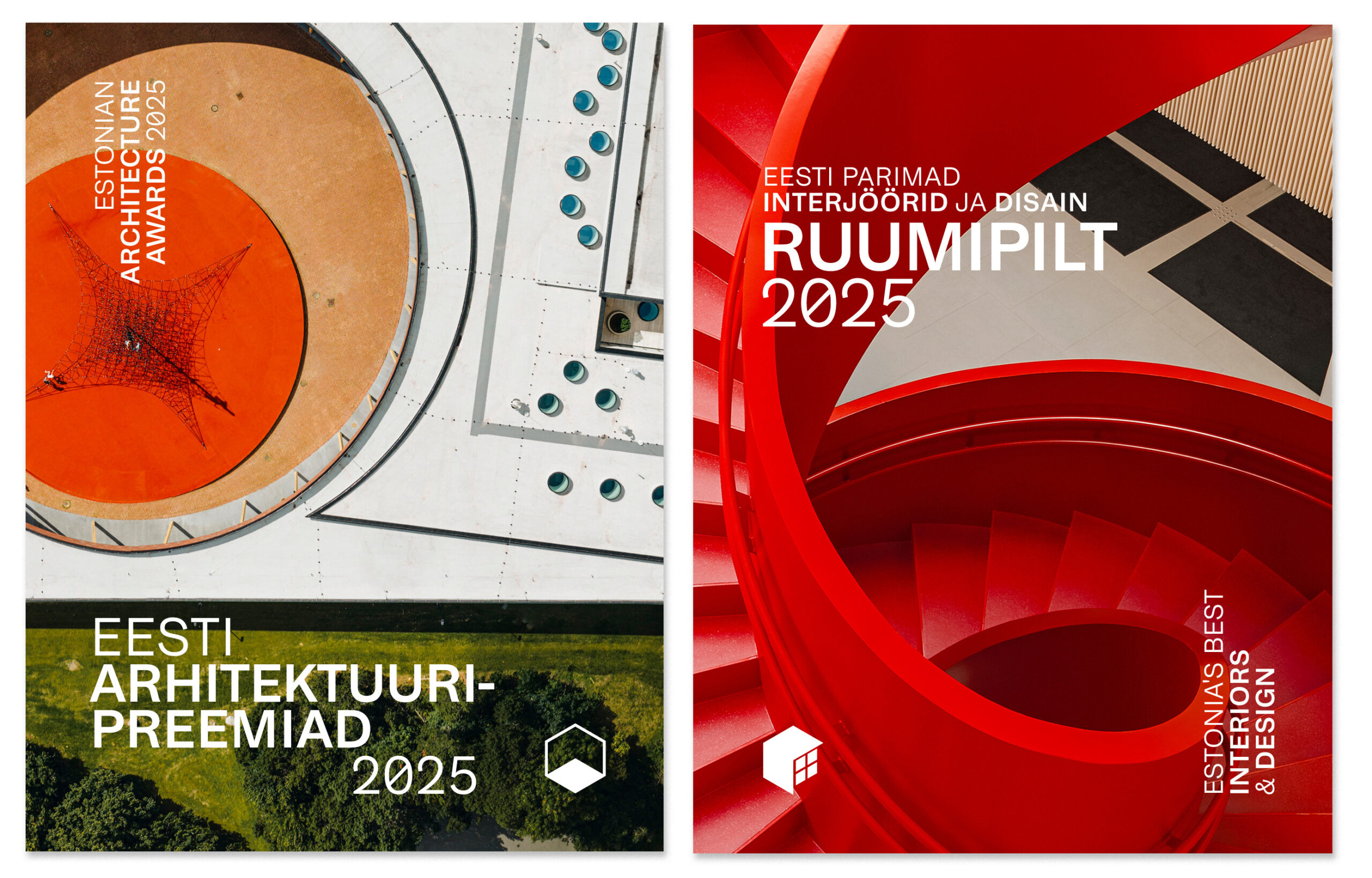
Ruumipilt 2025
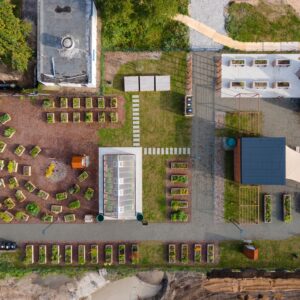
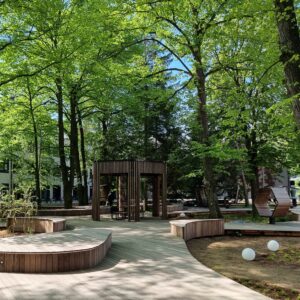
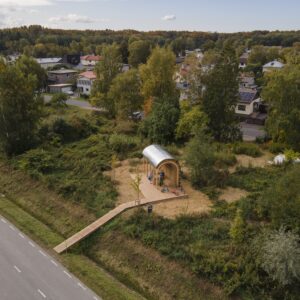
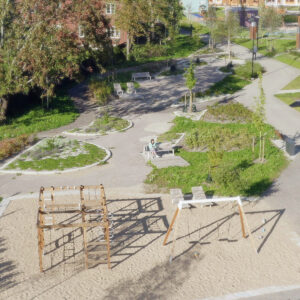
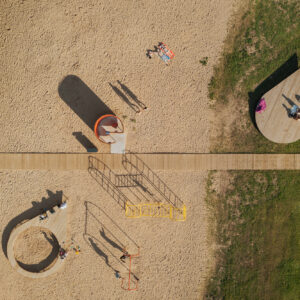
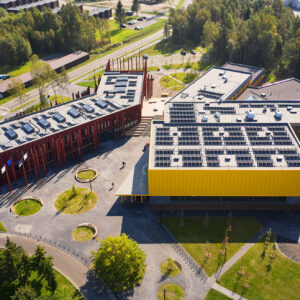
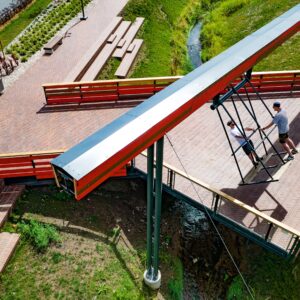
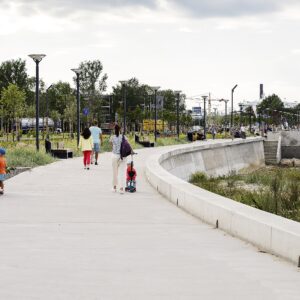
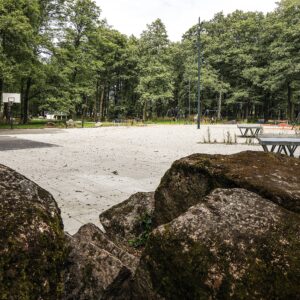
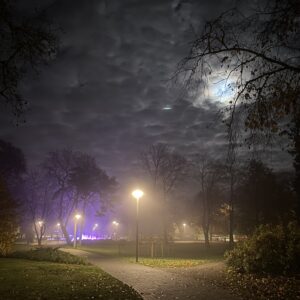
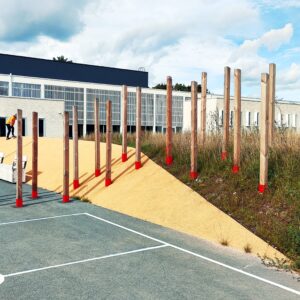
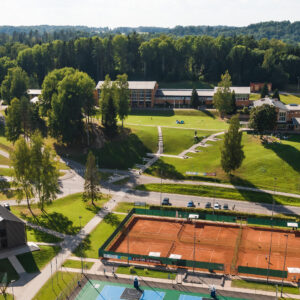
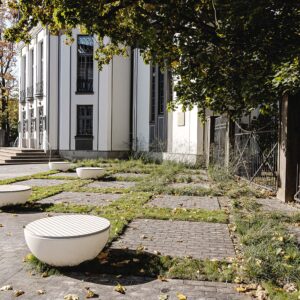
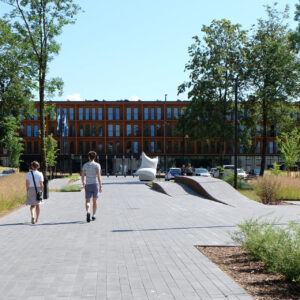
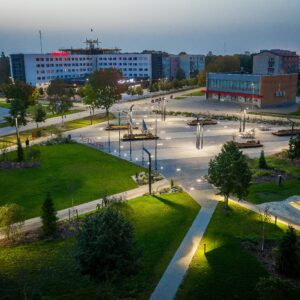
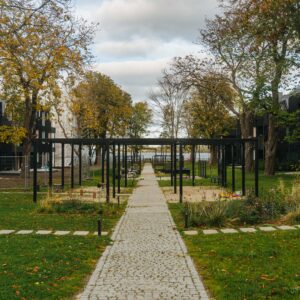
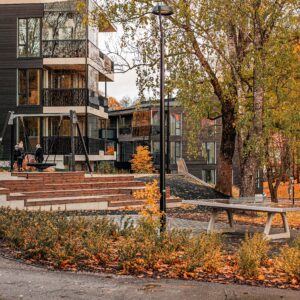
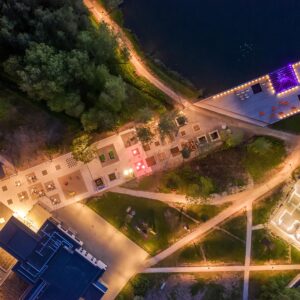
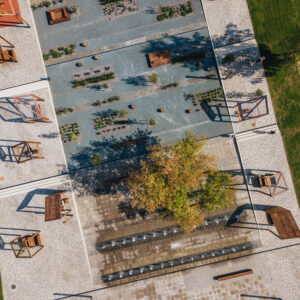
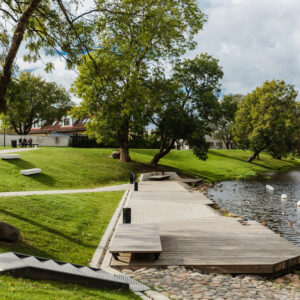
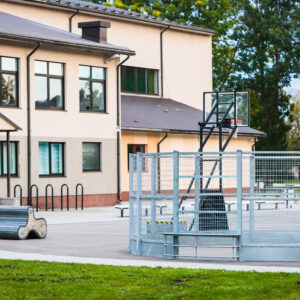
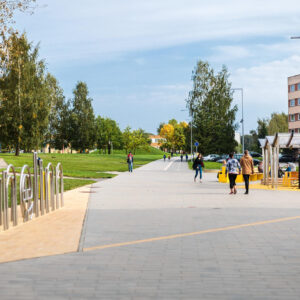
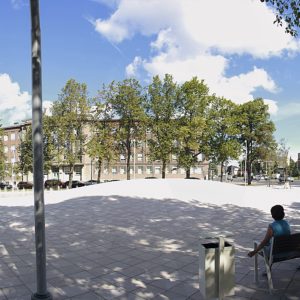
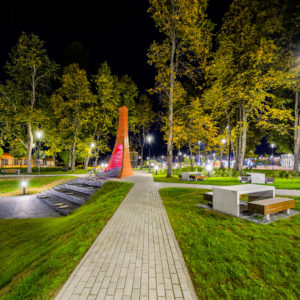
The new building is part of Saku Secondary School campus providing a contemporary learning environment for students in Years 5–9. The basic school building and stadium are connected into an integrated whole with the sports area and playgrounds and the promenade with small structures and greenery. The area is an attractive venue for sports and cultural events.
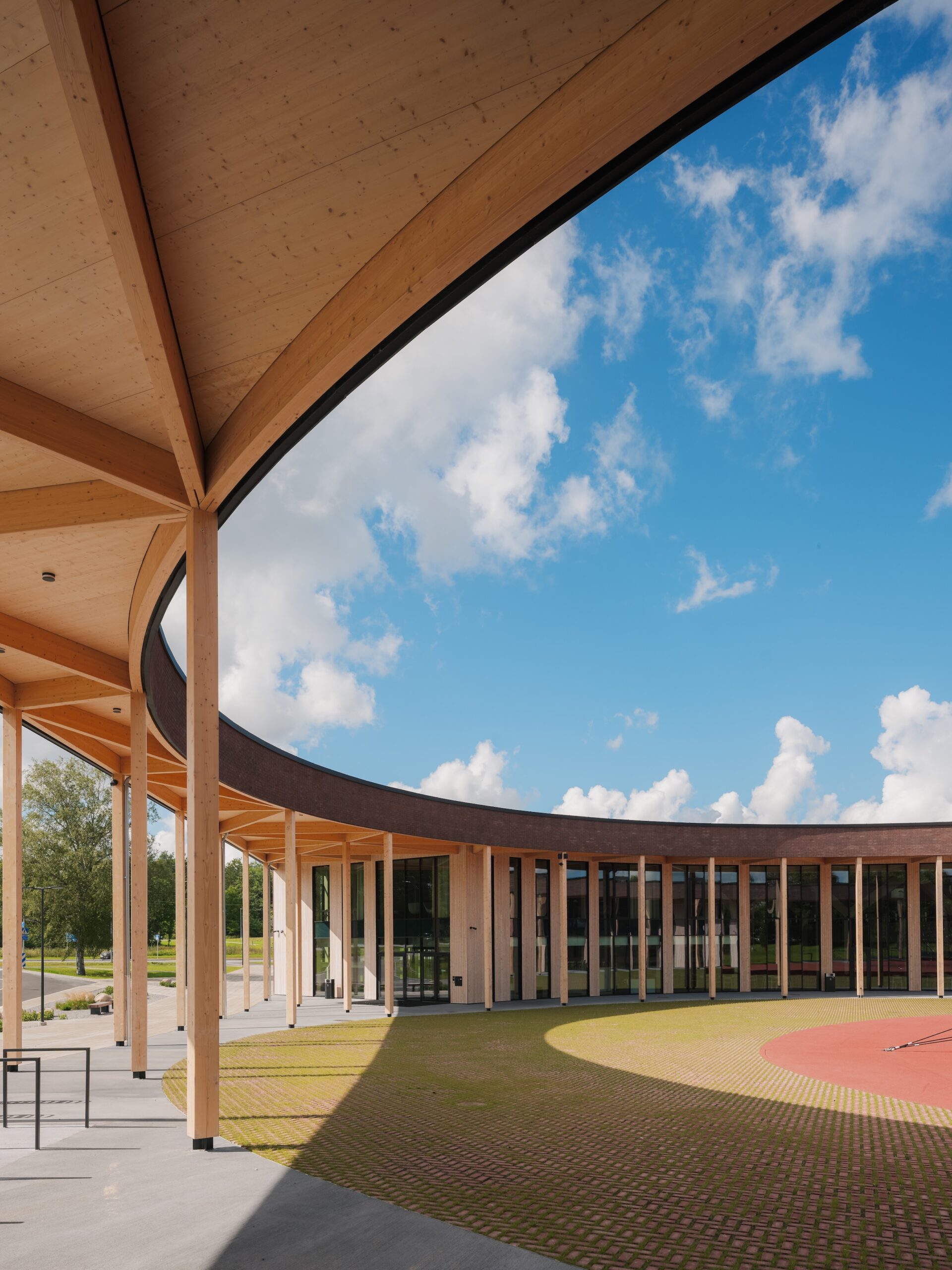
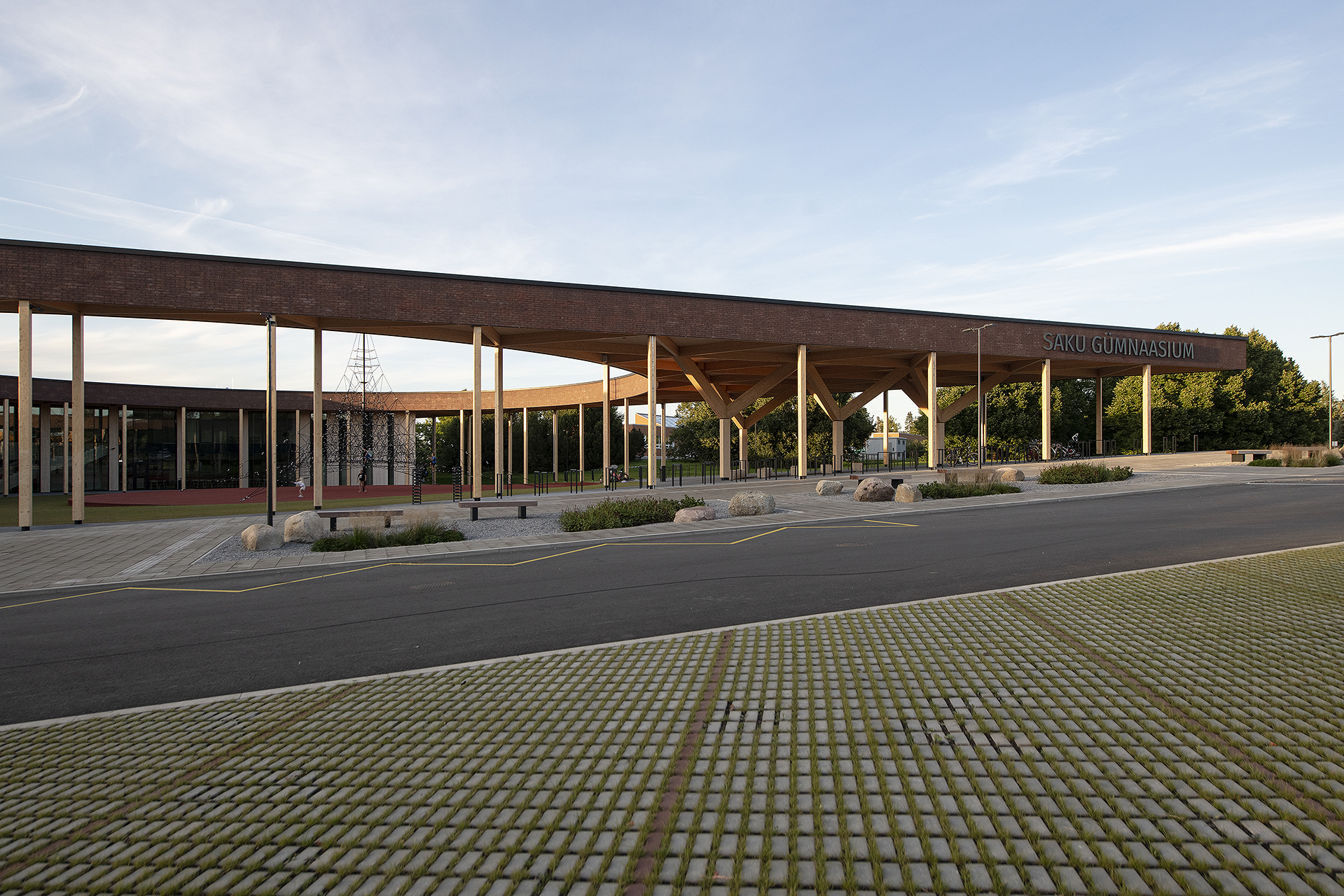
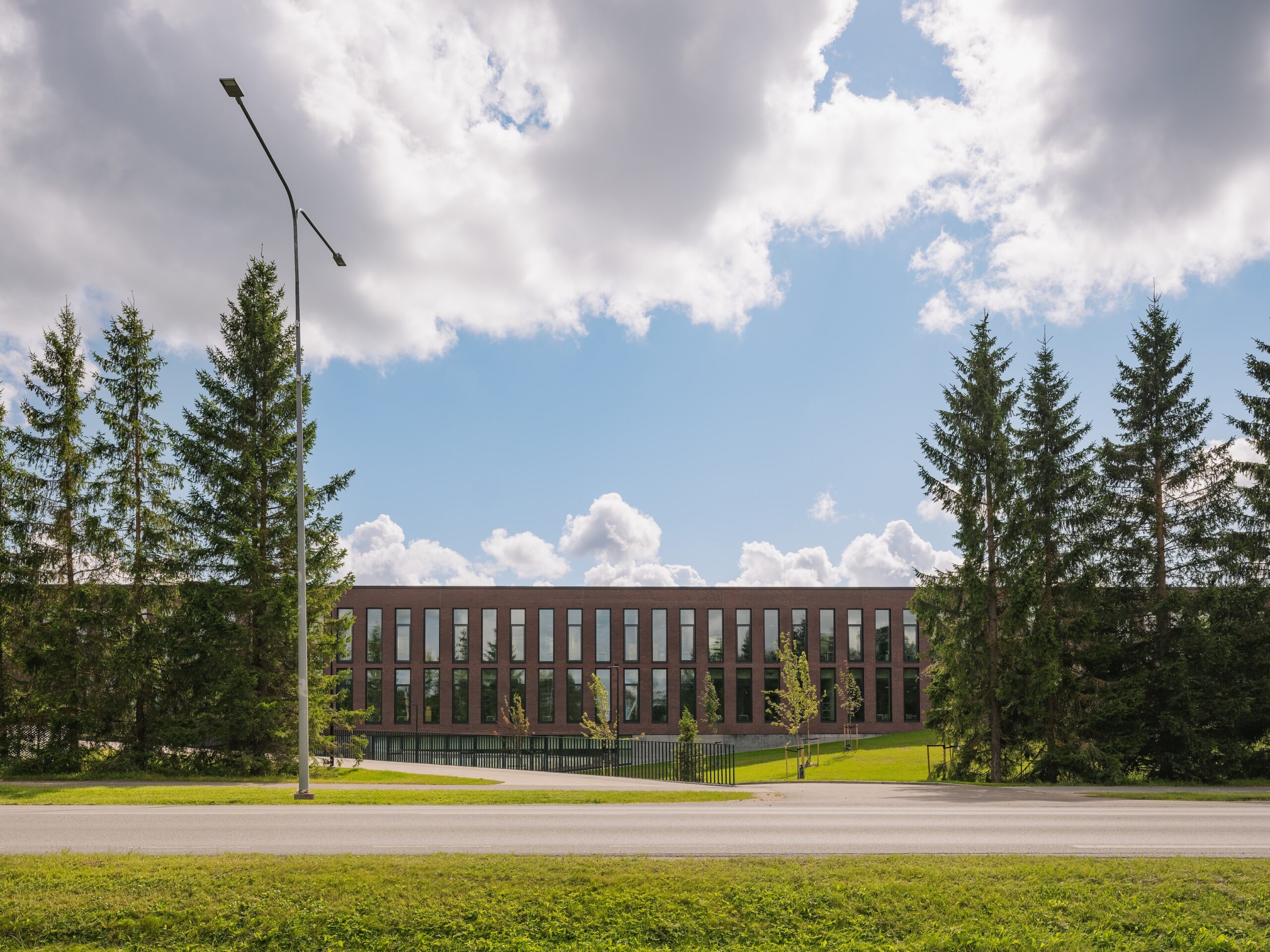
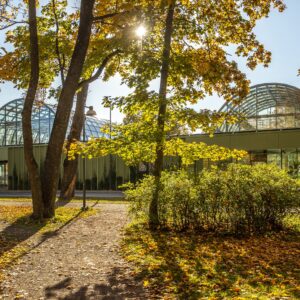
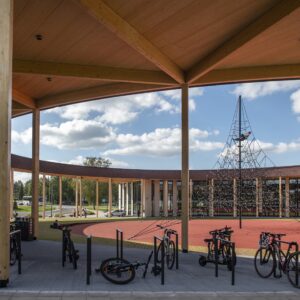
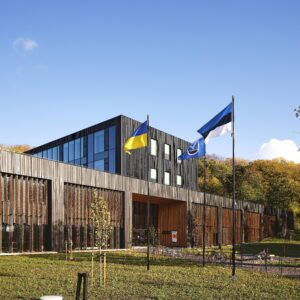
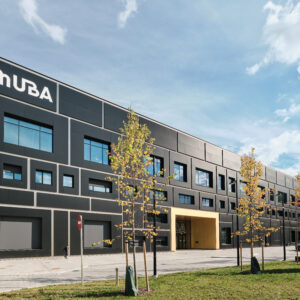
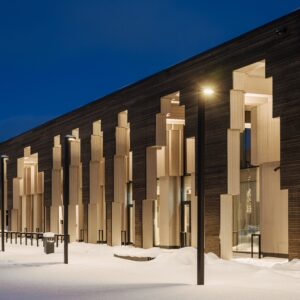
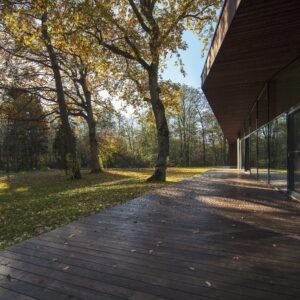
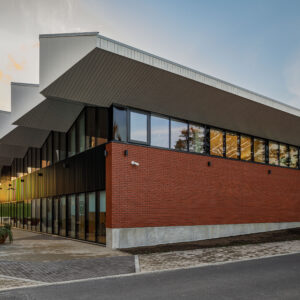
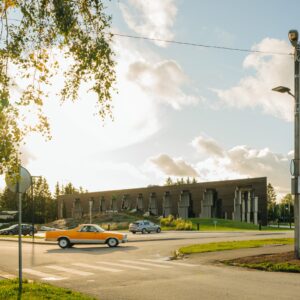
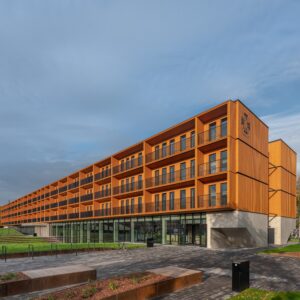
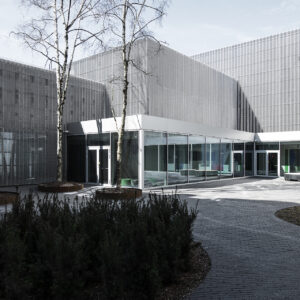
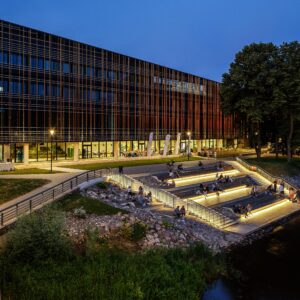
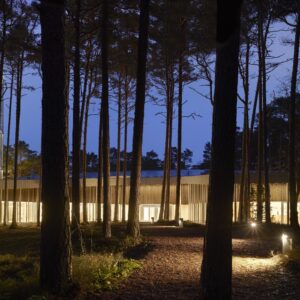
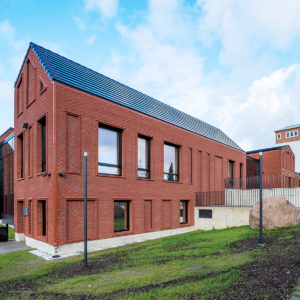
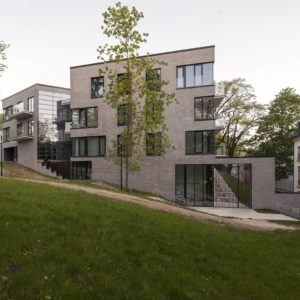
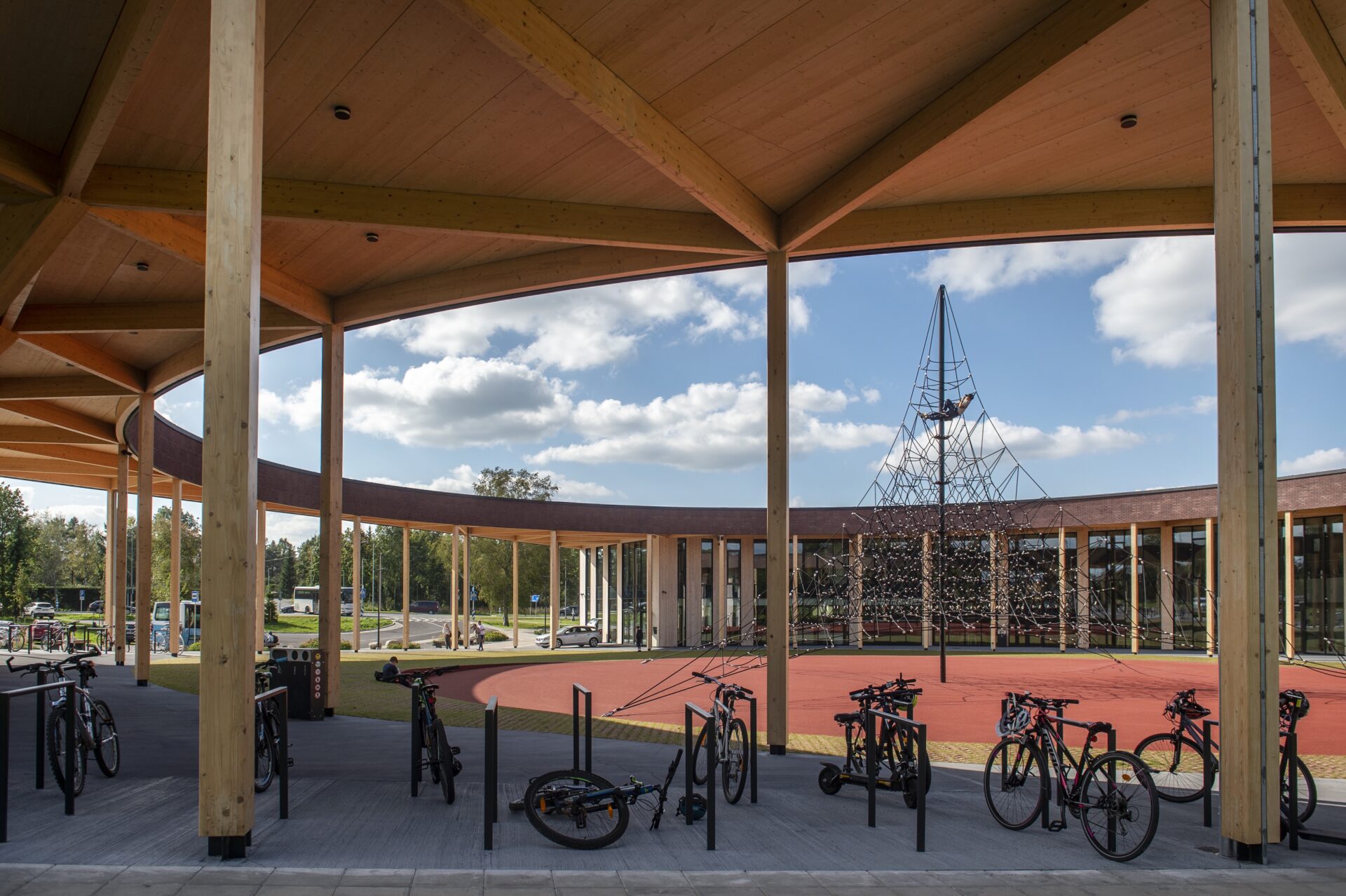
The appearance of the building is shaped by the landscape undulating along the façades. From the junction, the reddish-brown brick façade appears more reserved and hides behind a thick grove. The brick façade forms a sturdy shell with a warm wooden structure in the centre. The heart of the campus is a round courtyard surrounded by timber pillars.
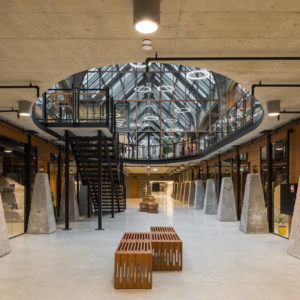
The materials outside find a logical continuation in the indoor spaces. The triangular timber frame construction of the roof and the atrium creates a unique spatial experience. The centre of the building houses a sports hall extending over three floors that could be viewed from all common areas of the school. The interior windows in classrooms provide as much natural light as possible. Light-filled corridors and multi-level atriums create a dynamic and exploratory environment.
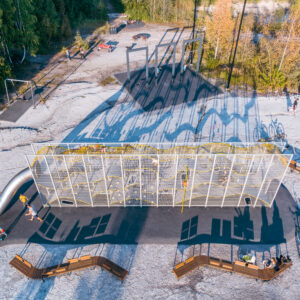
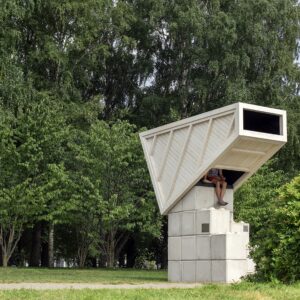
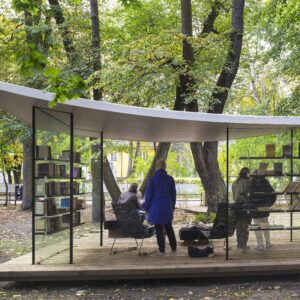
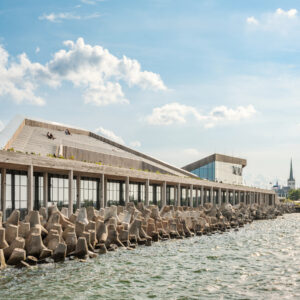
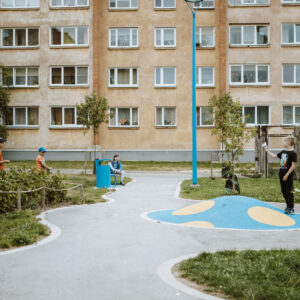
The stadium building serves various sports fields and the spacious triangular roof accommodates seating for watching them all. Playgrounds, the adventure park and forest paths together with outdoor classrooms provide various exercise options for users of all ages.













 388
388 

 TAGASI