














 484
484 

 TAGASI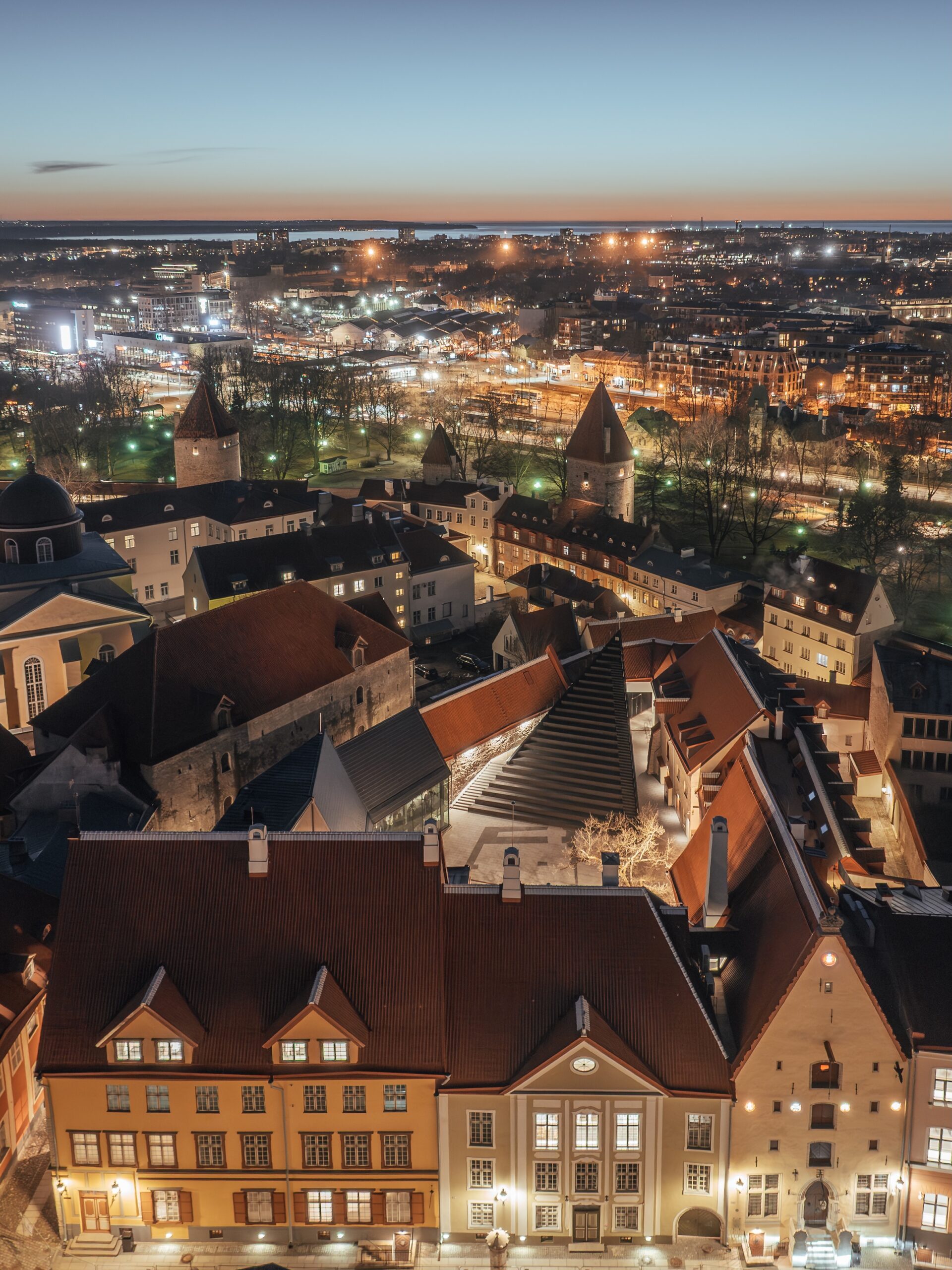
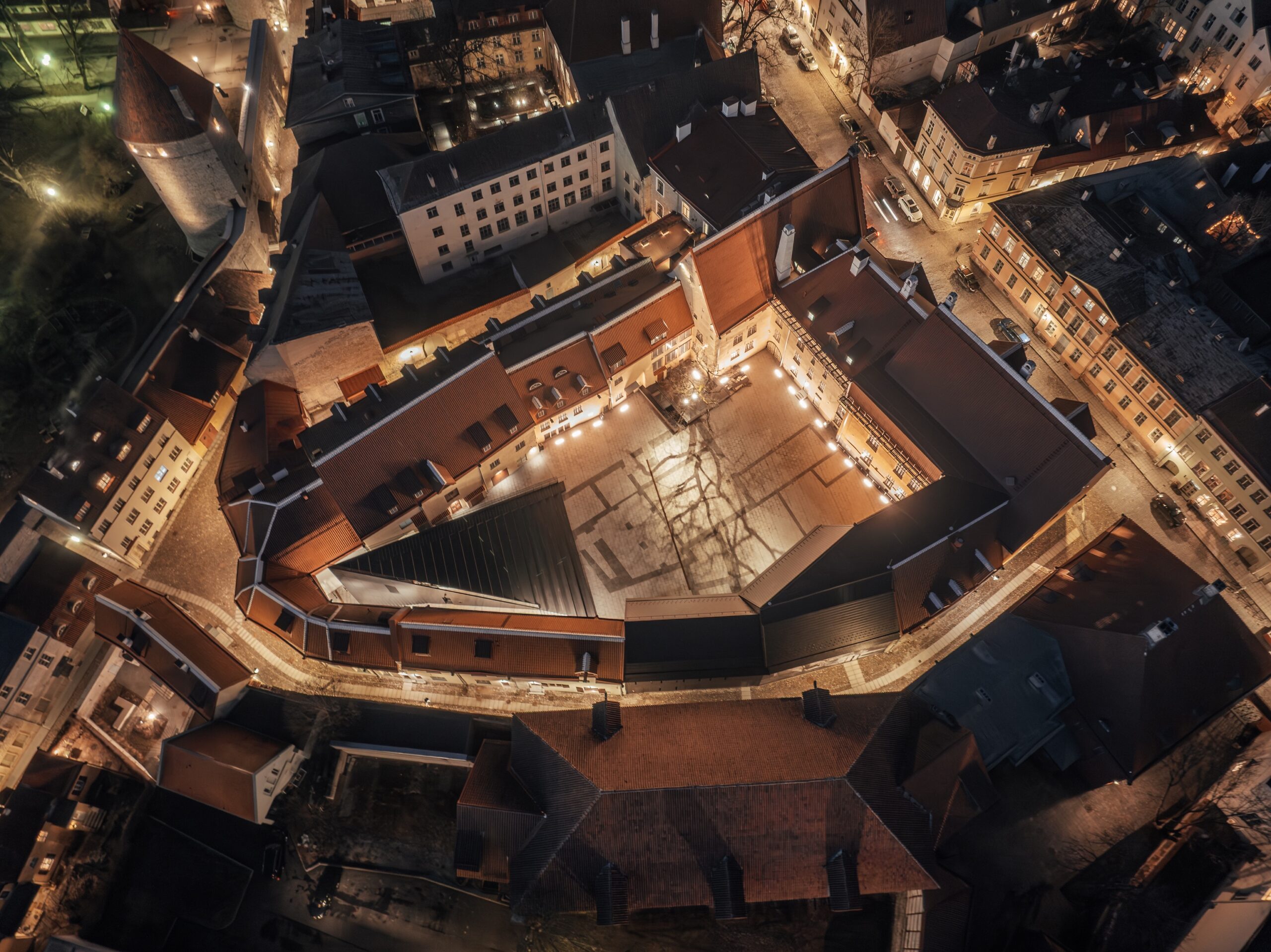
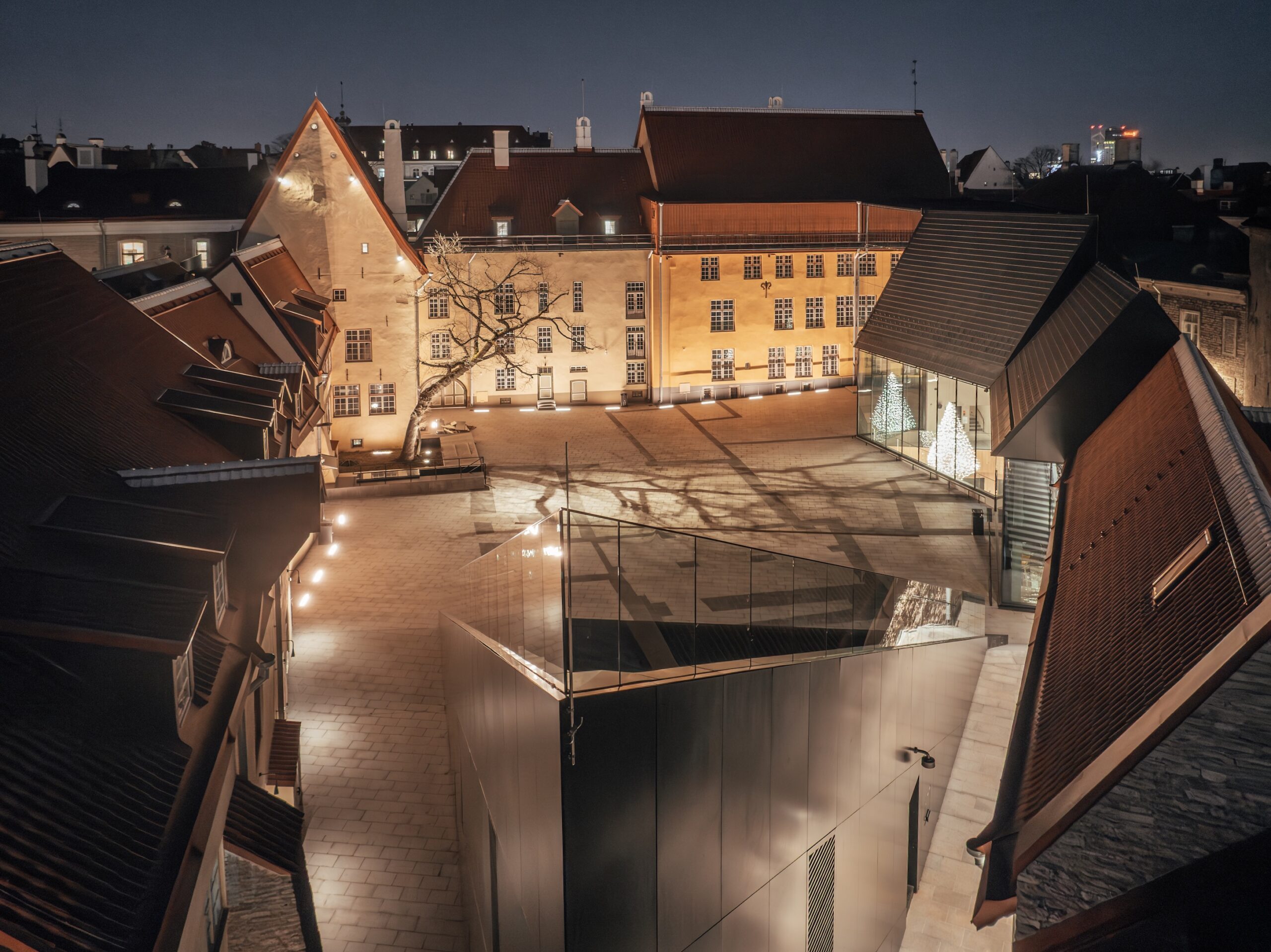
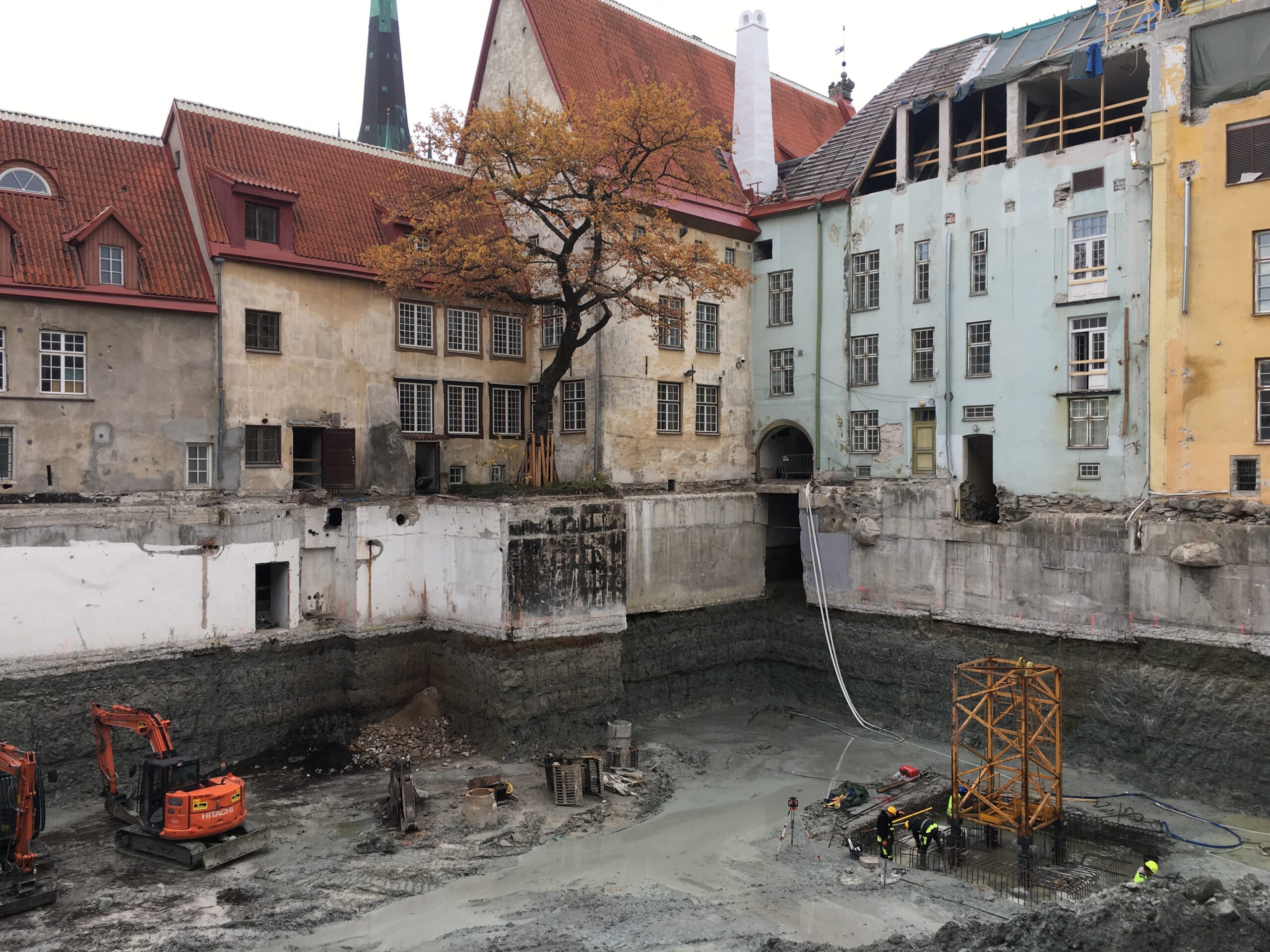
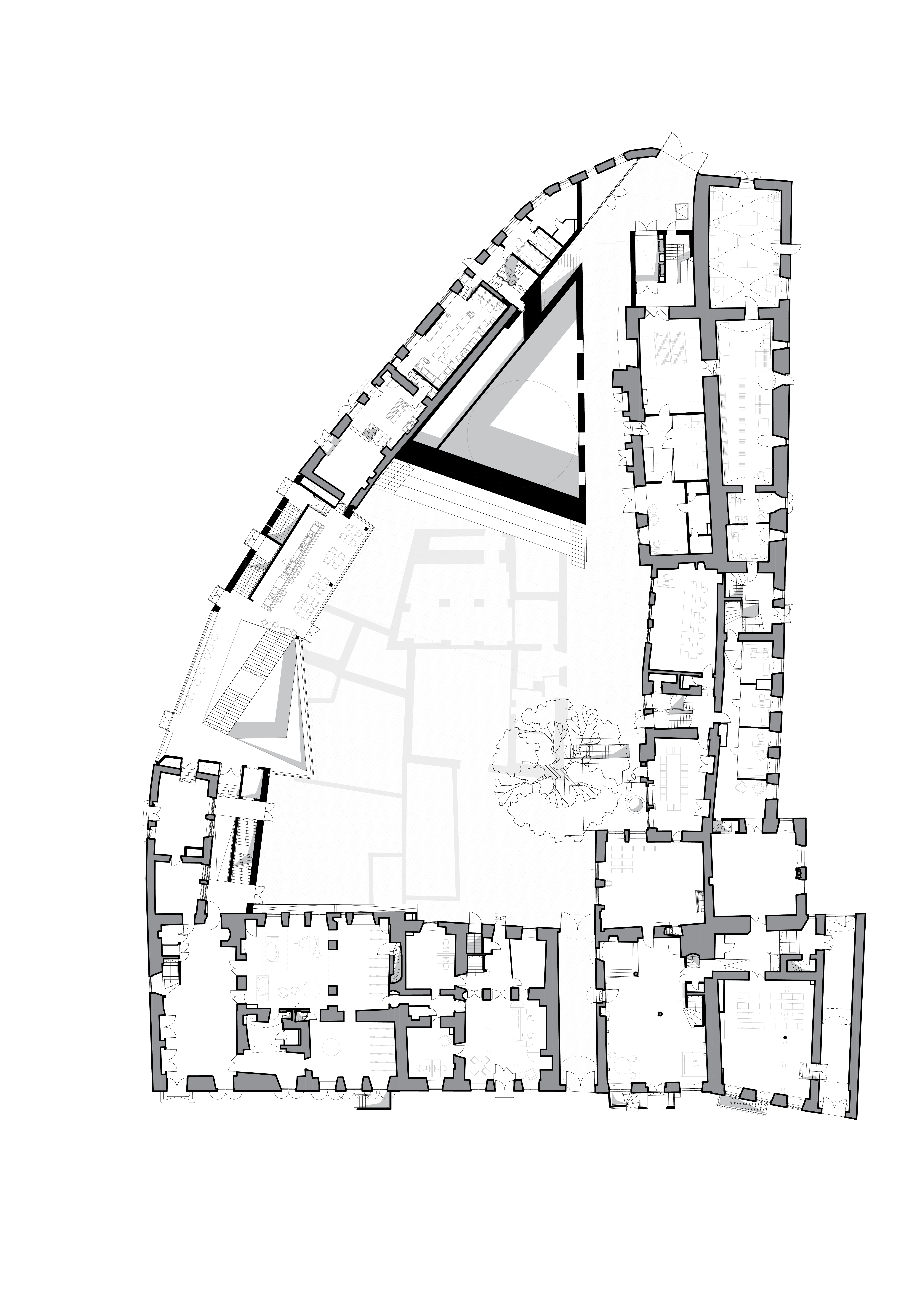
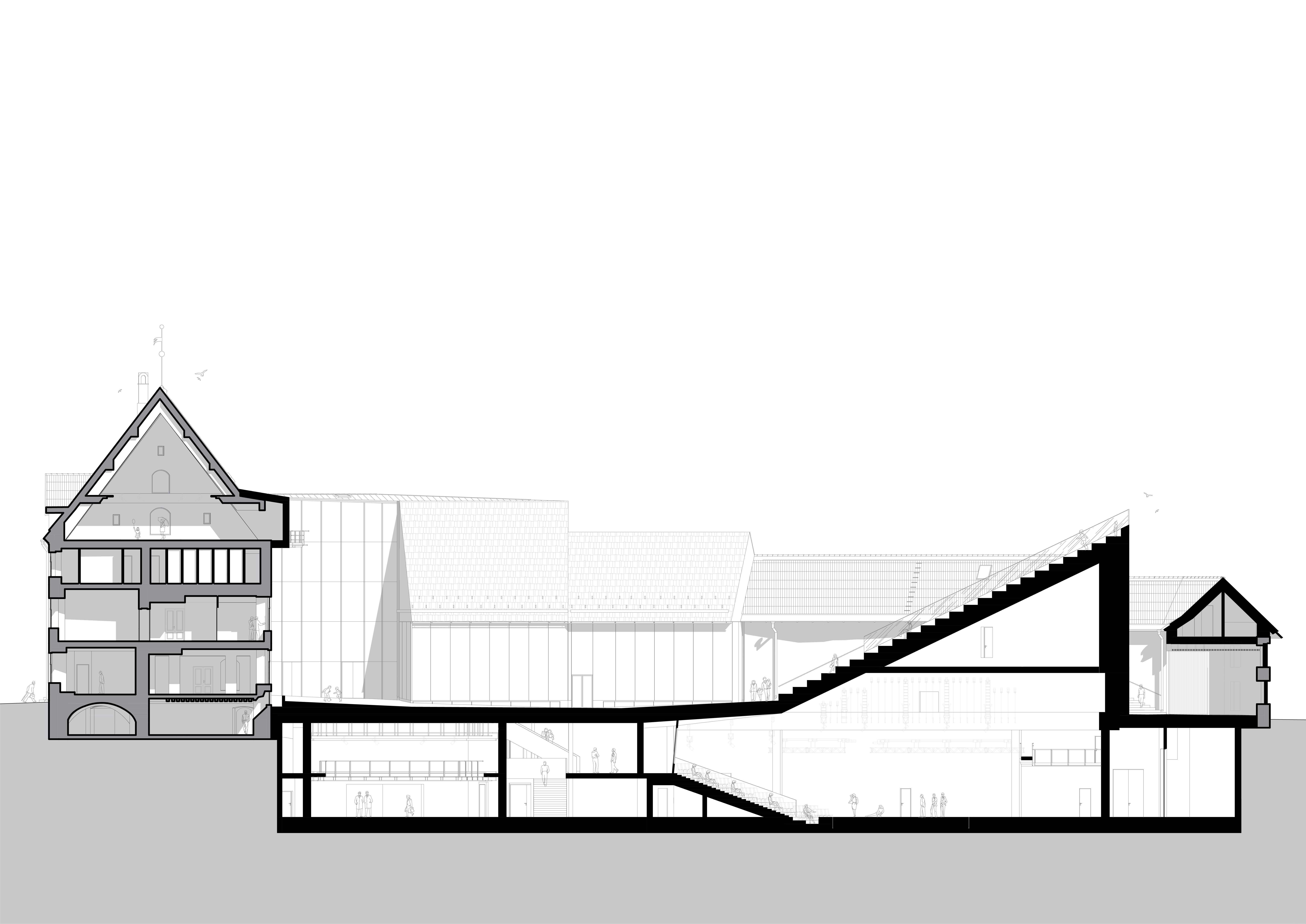
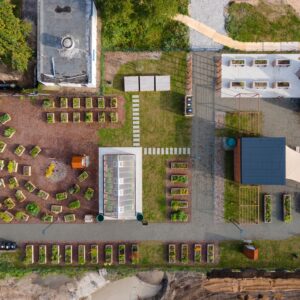
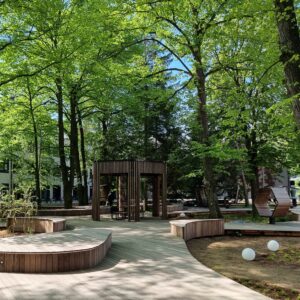
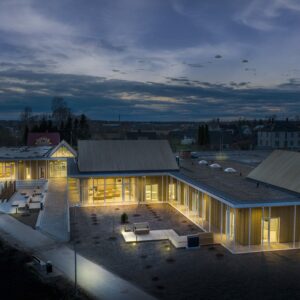
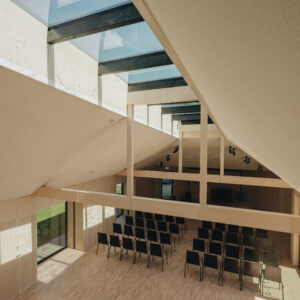
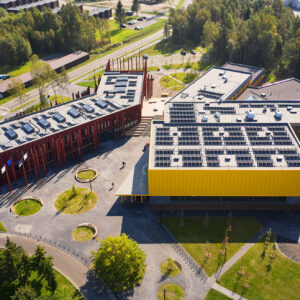
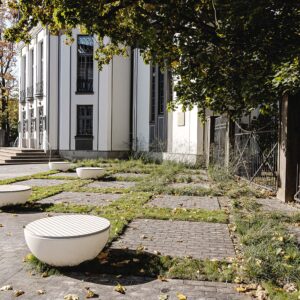
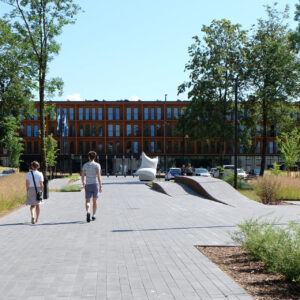
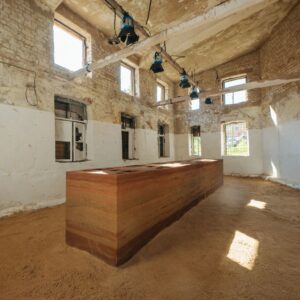
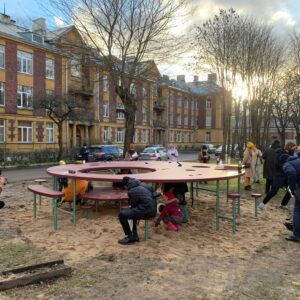
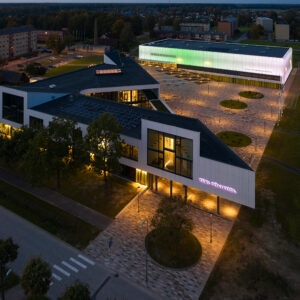
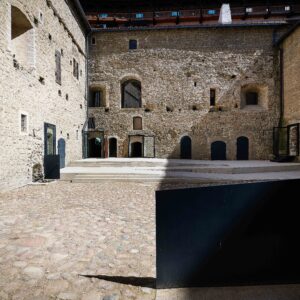
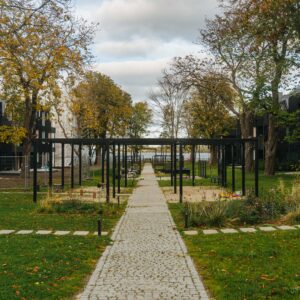
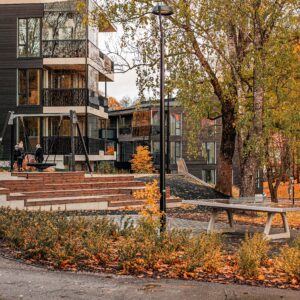
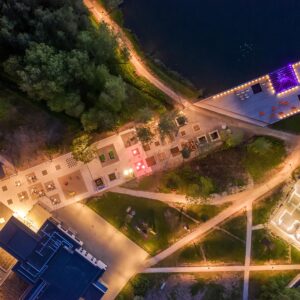
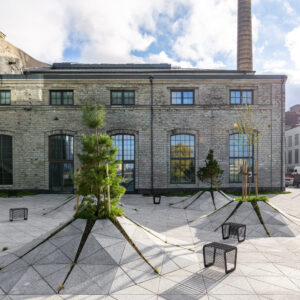
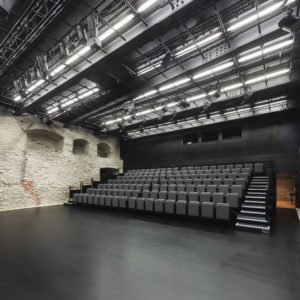
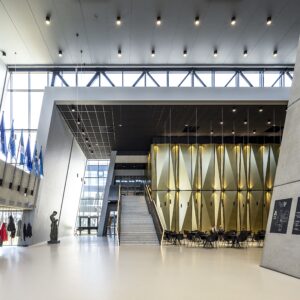
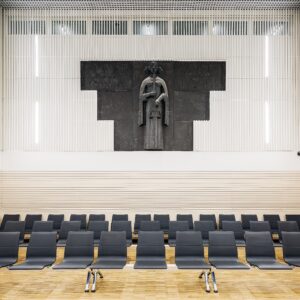
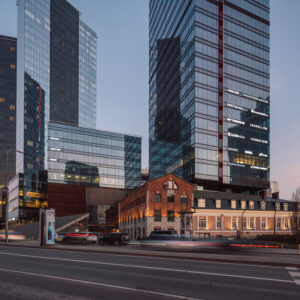
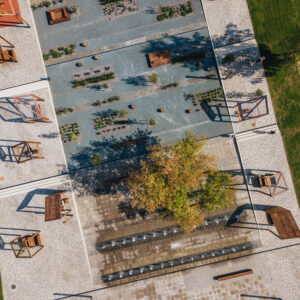
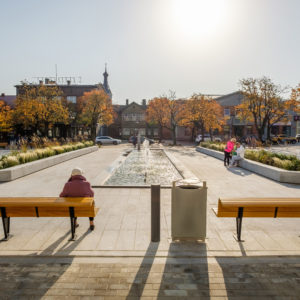
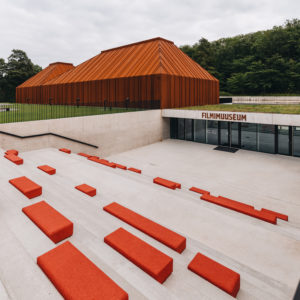
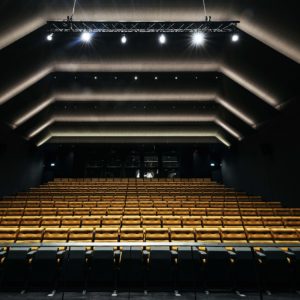
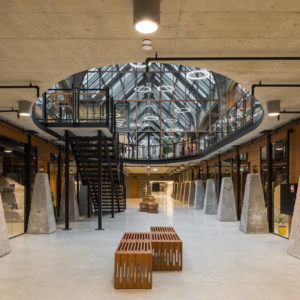
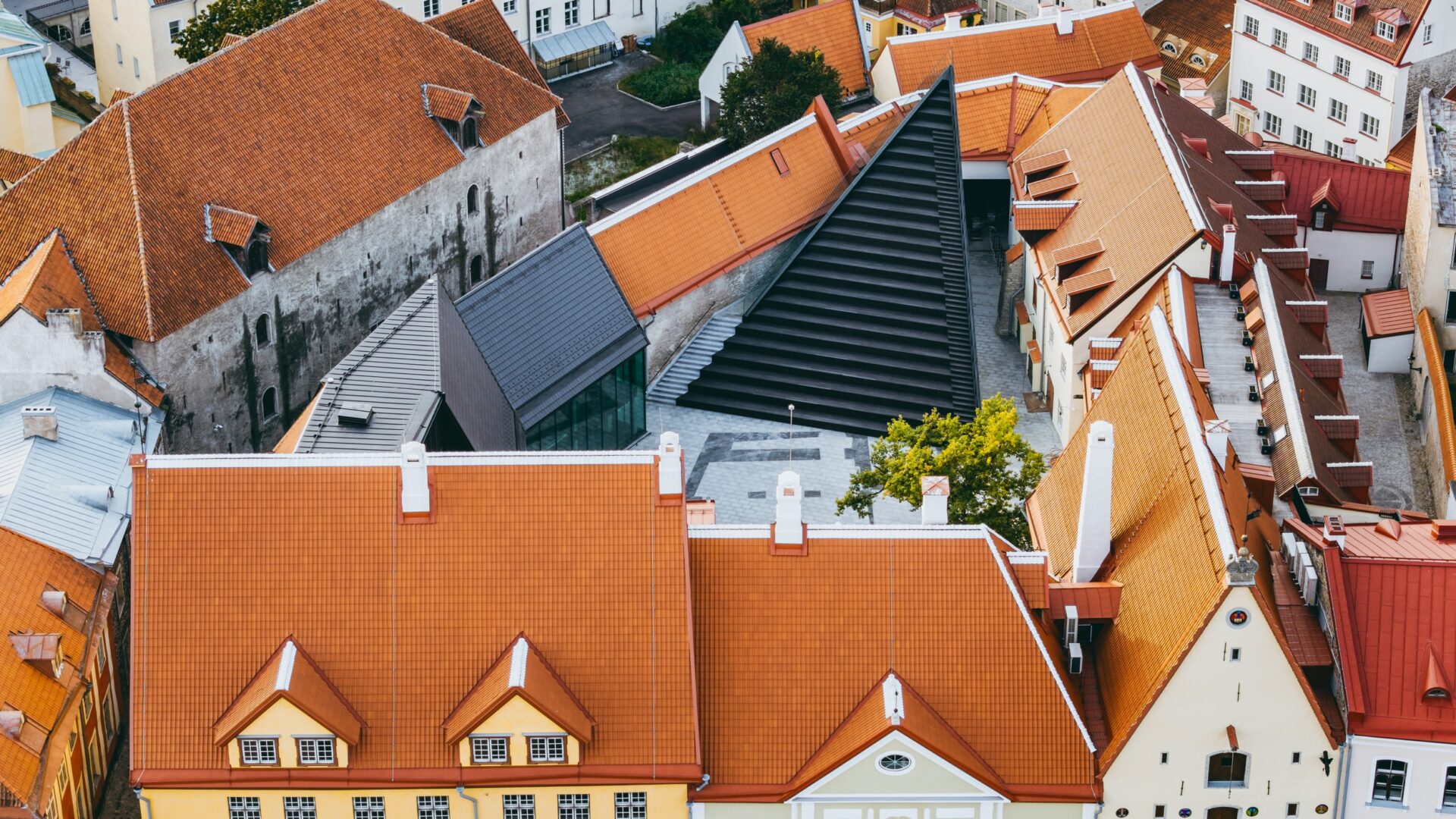
The theatre complex comprises 15 historical buildings which together with the extension are connected into one functional whole. The new concept envisaged halls up to 9 meters below the courtyard accommodating a large hall with a fly tower as well as a black box. The courtyard is left for summer plays with the terraced roof of the fly tower forming a grandstand for the audience.
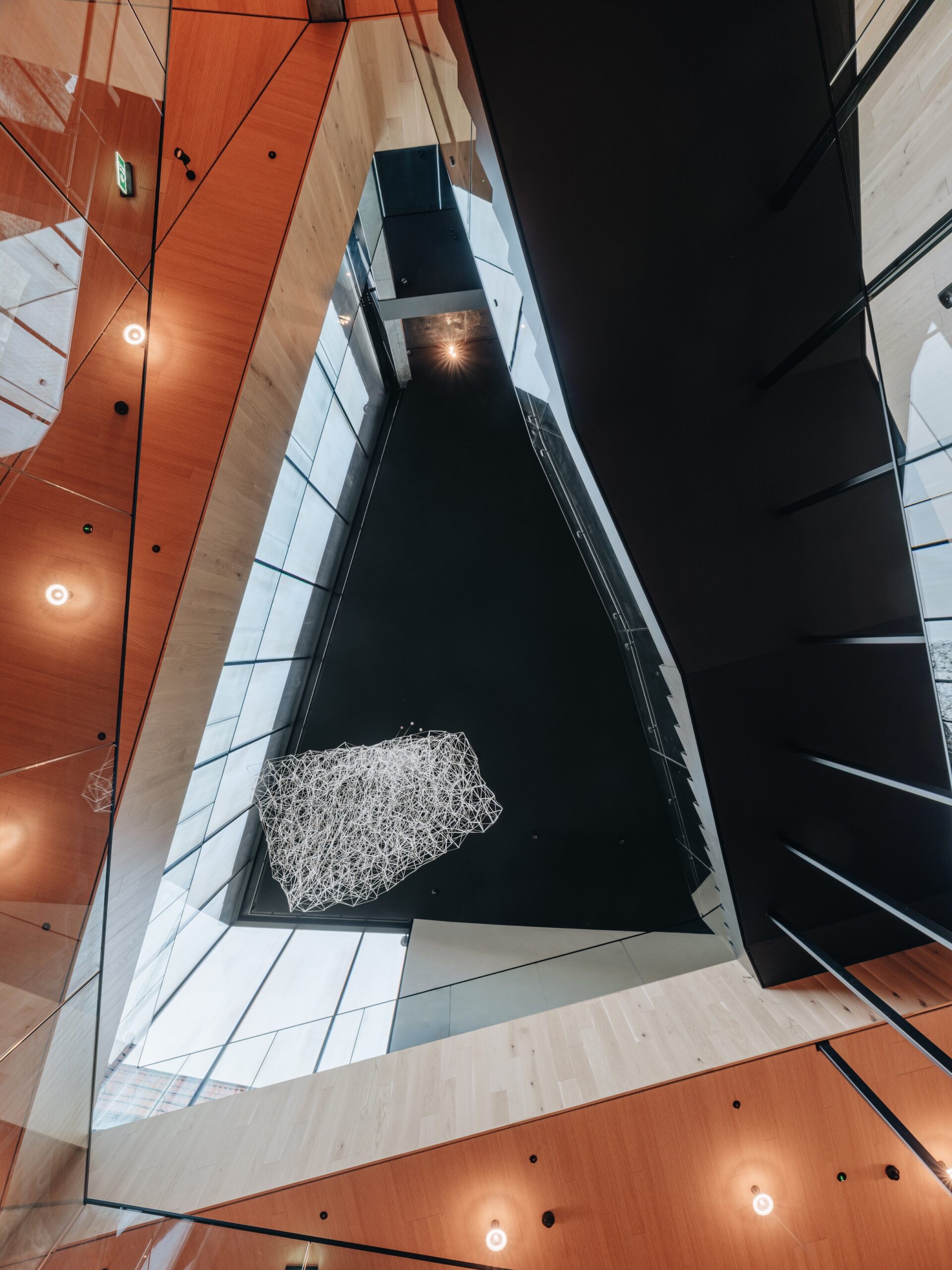
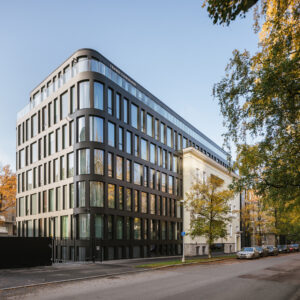
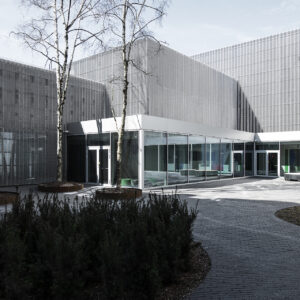
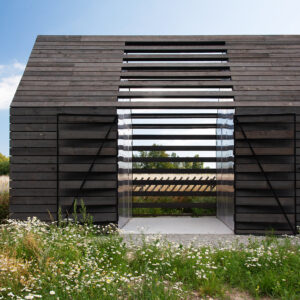
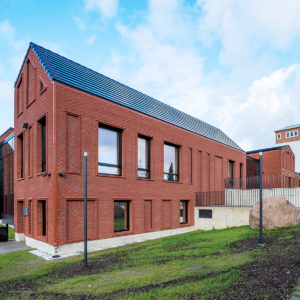
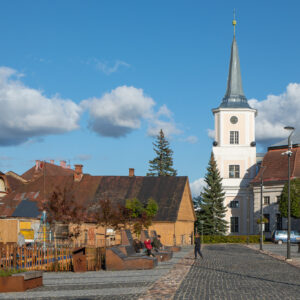
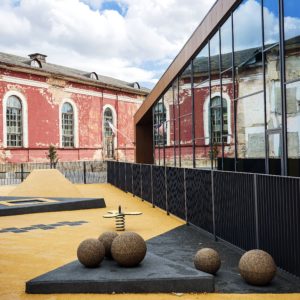
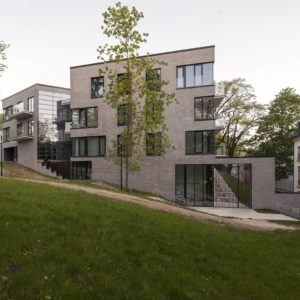
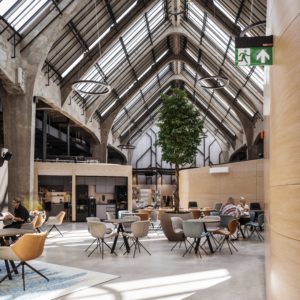
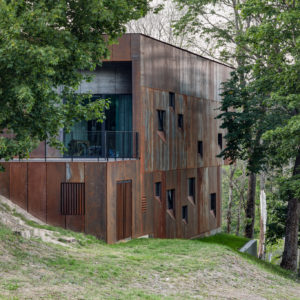
The new buildings on the ground are clearly distinguishable from the surroundings and fill the gap that was a familiar sight in the theatre district perimeter along Aida Street. They are divided into two due to the historical housing. As there are no records of one of the buildings, it has been replaced with a large transparent glass void in the street front allowing passers-by to get their usual views of the courtyard and providing natural light to the atrium between the two underground halls. The second building is less visible from Aida Street with its narrow windows echoing the façade of the destroyed historic building.
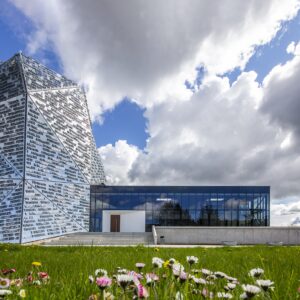
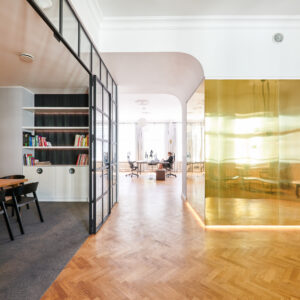
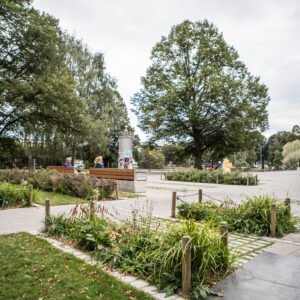
To improve accessibility, a new staircase with a lift connecting all floors is designed in the corner of the courtyard. Its mirrored façade does not add a new visual layer to the environment but merges into the surroundings, reflecting the historical structure and the legendary oak tree in the courtyard.
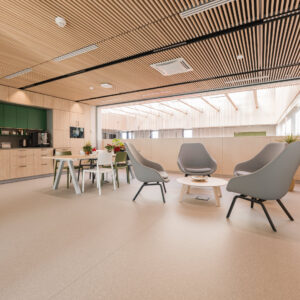
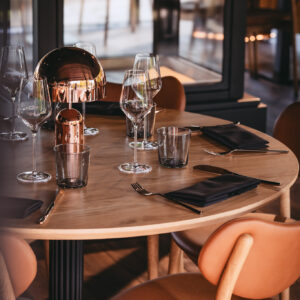
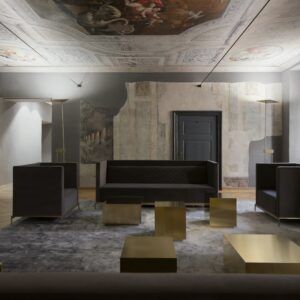
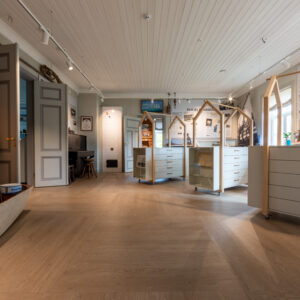
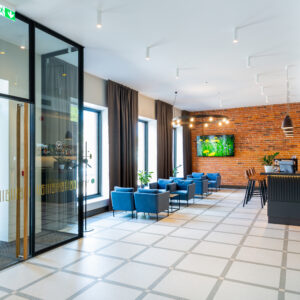
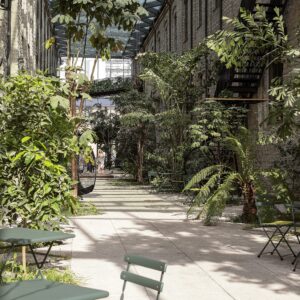
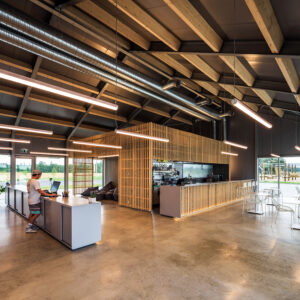
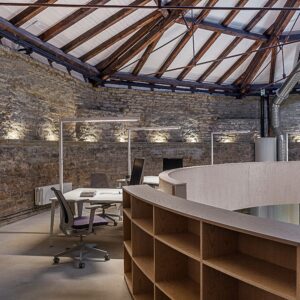
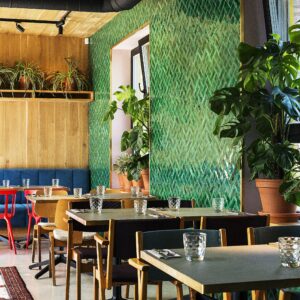
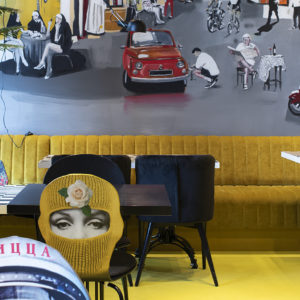
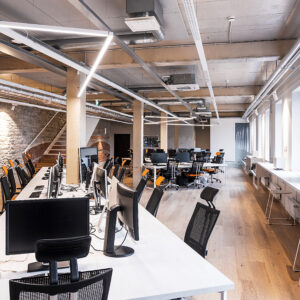
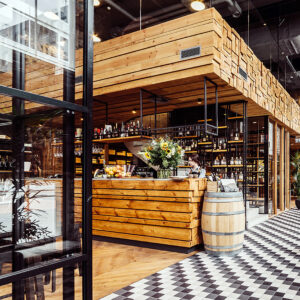
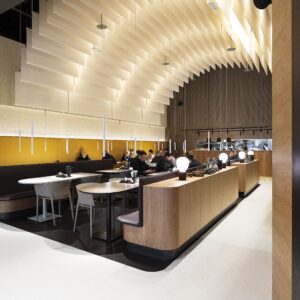
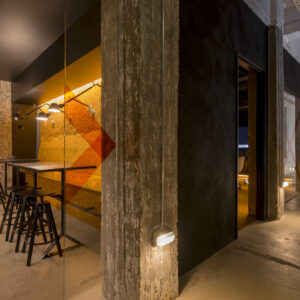
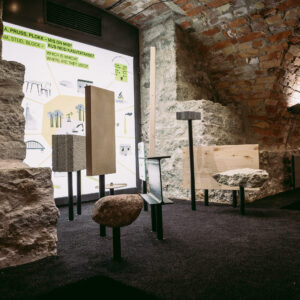
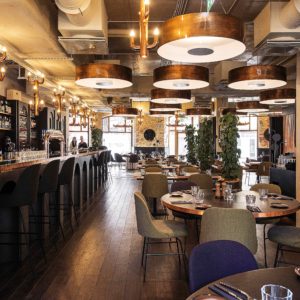
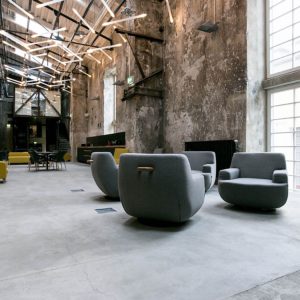
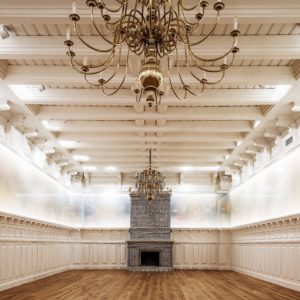
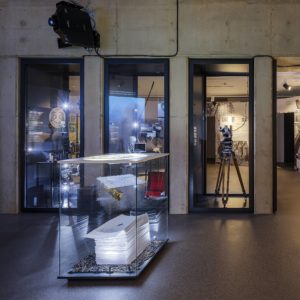
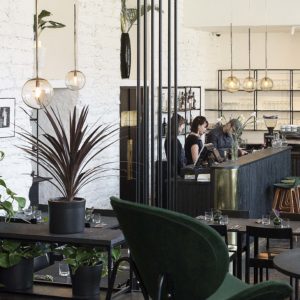
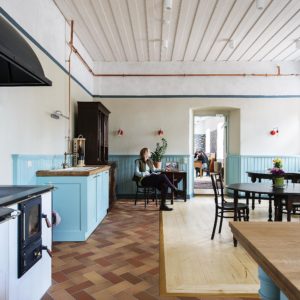
The complex has a total of 10 halls of various types, cafés and a restaurant, a sauna with a swimming pool, several passages and historic wells, a hypocaust furnace, a number of rooms with vaults or hand-hewn ceiling beams, and hundreds of heritage-protected details.