























 290
290 

 TAGASI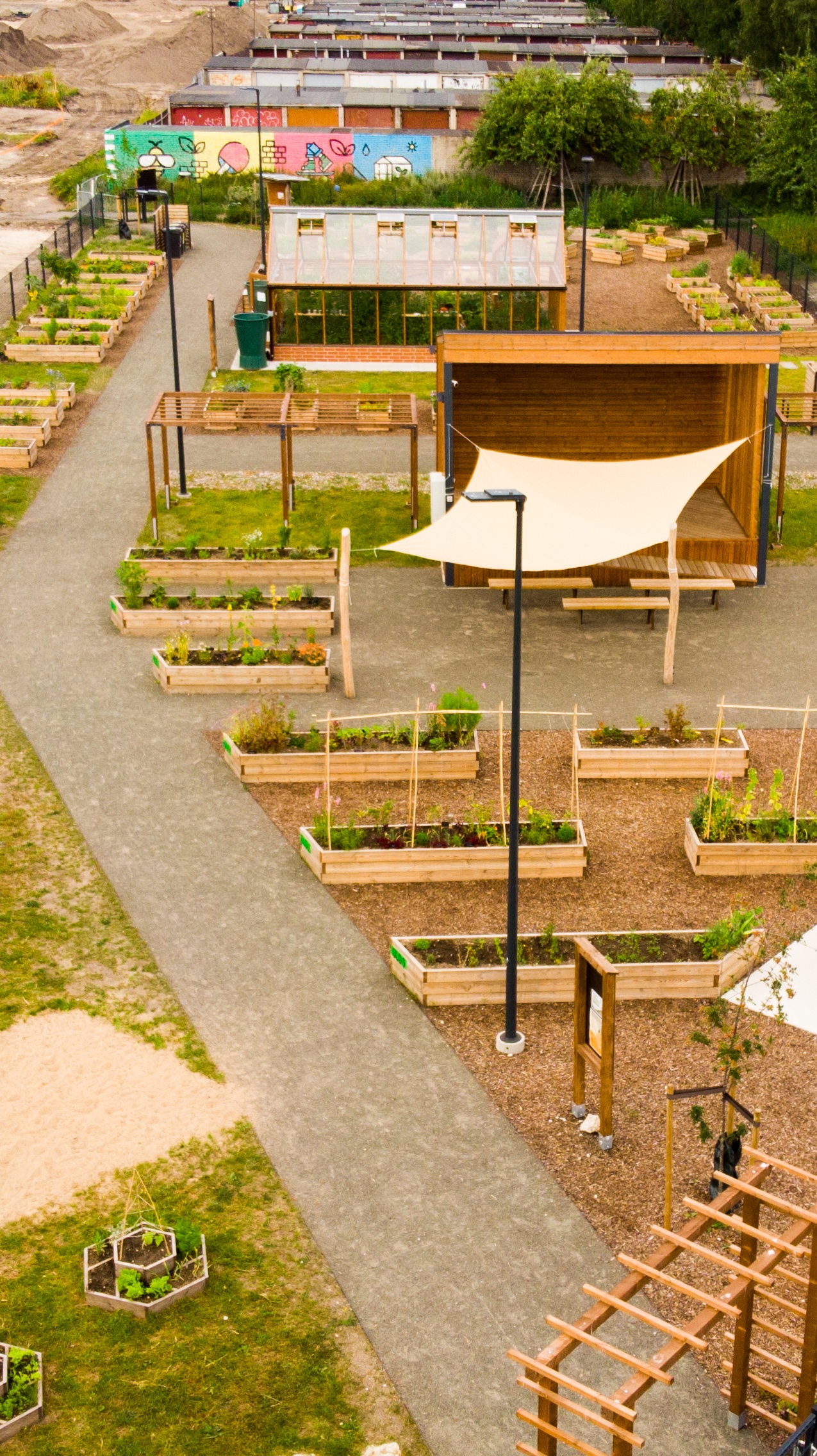
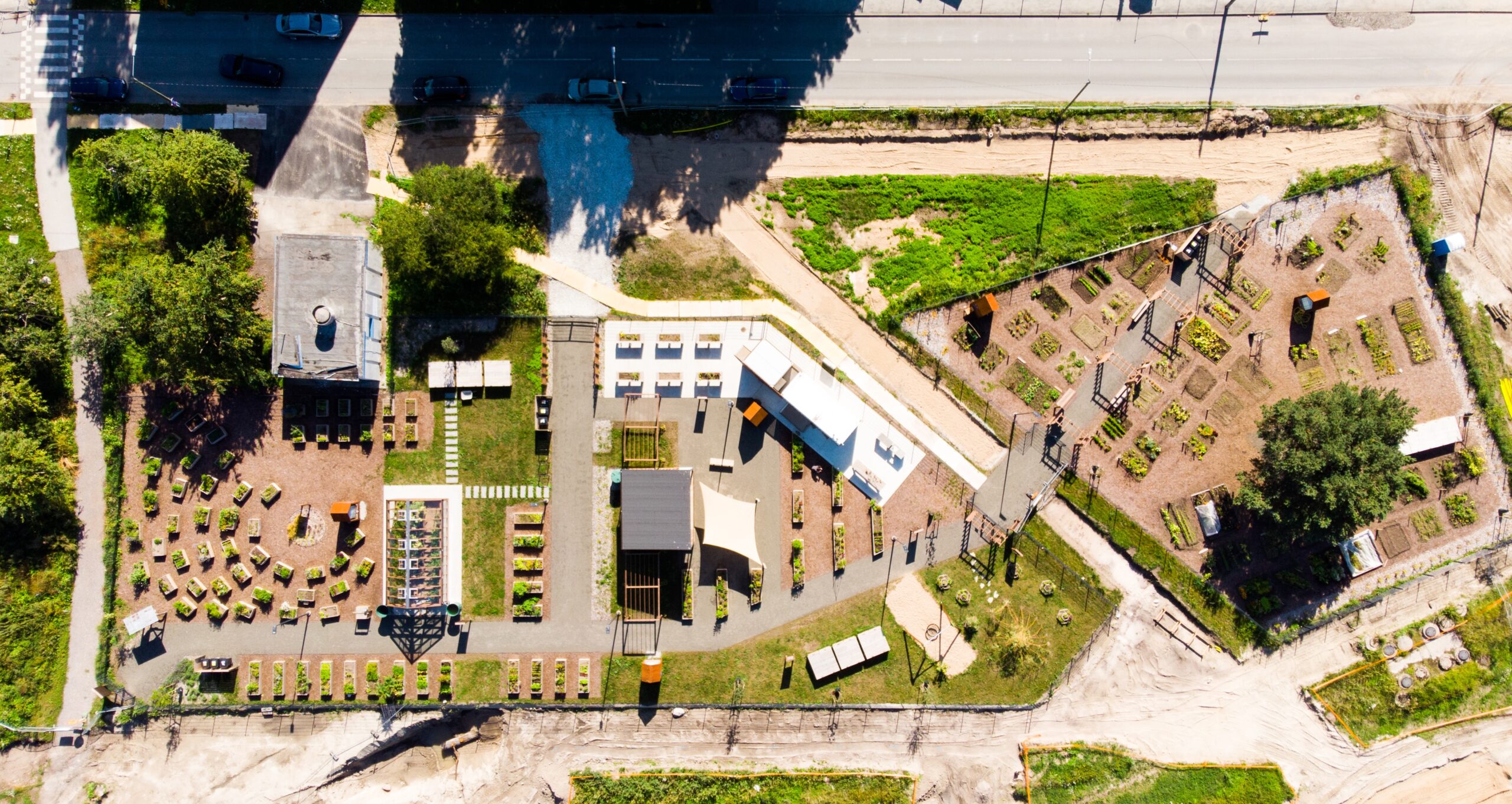
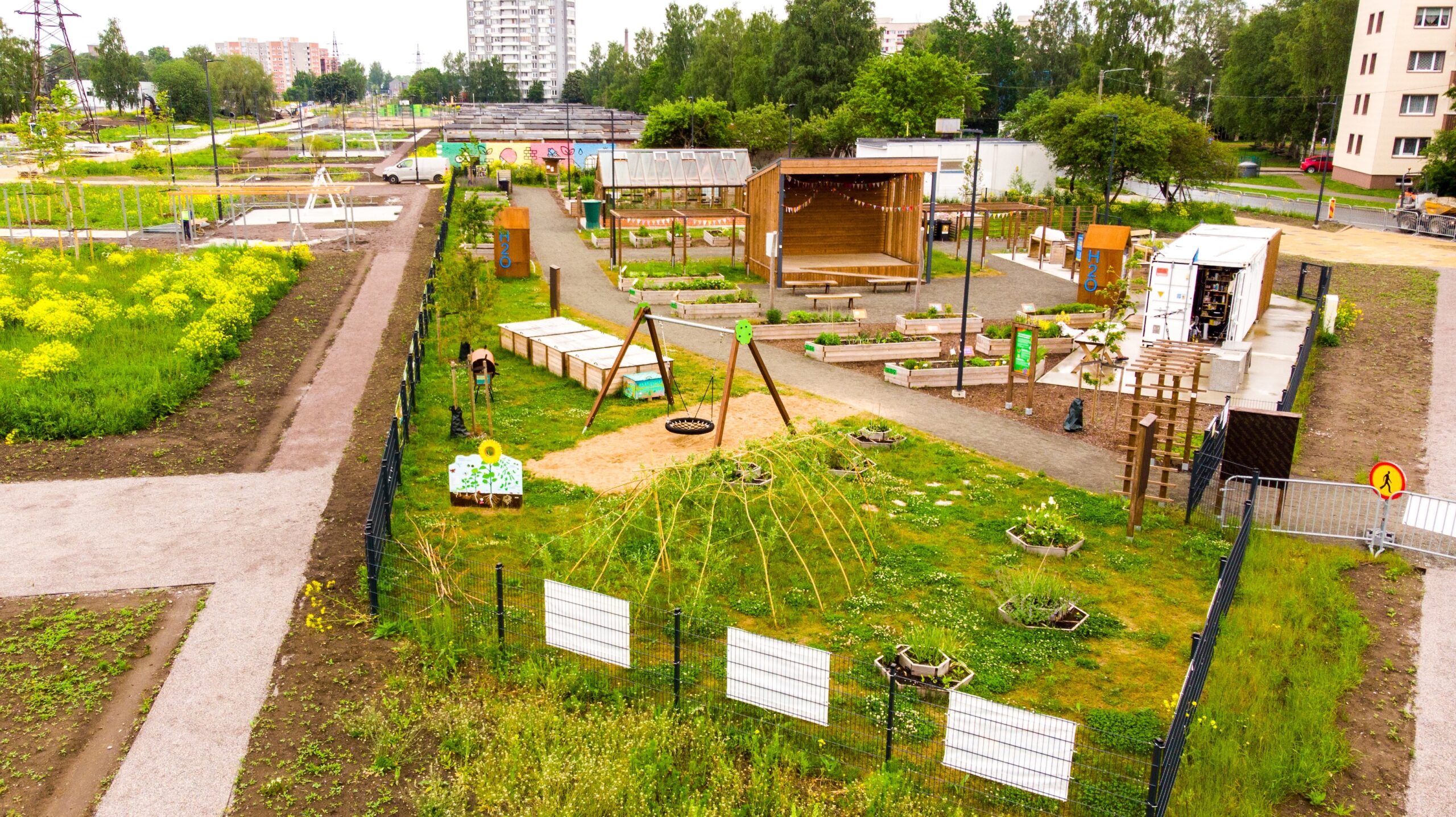
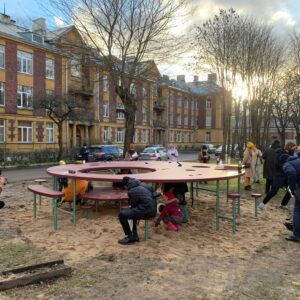
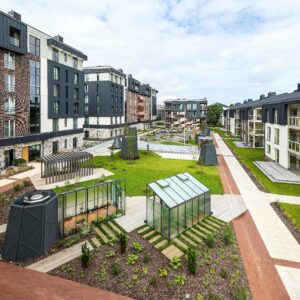
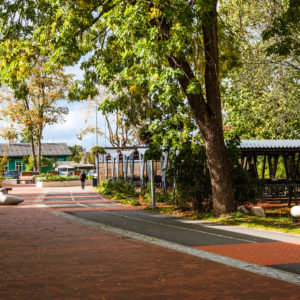
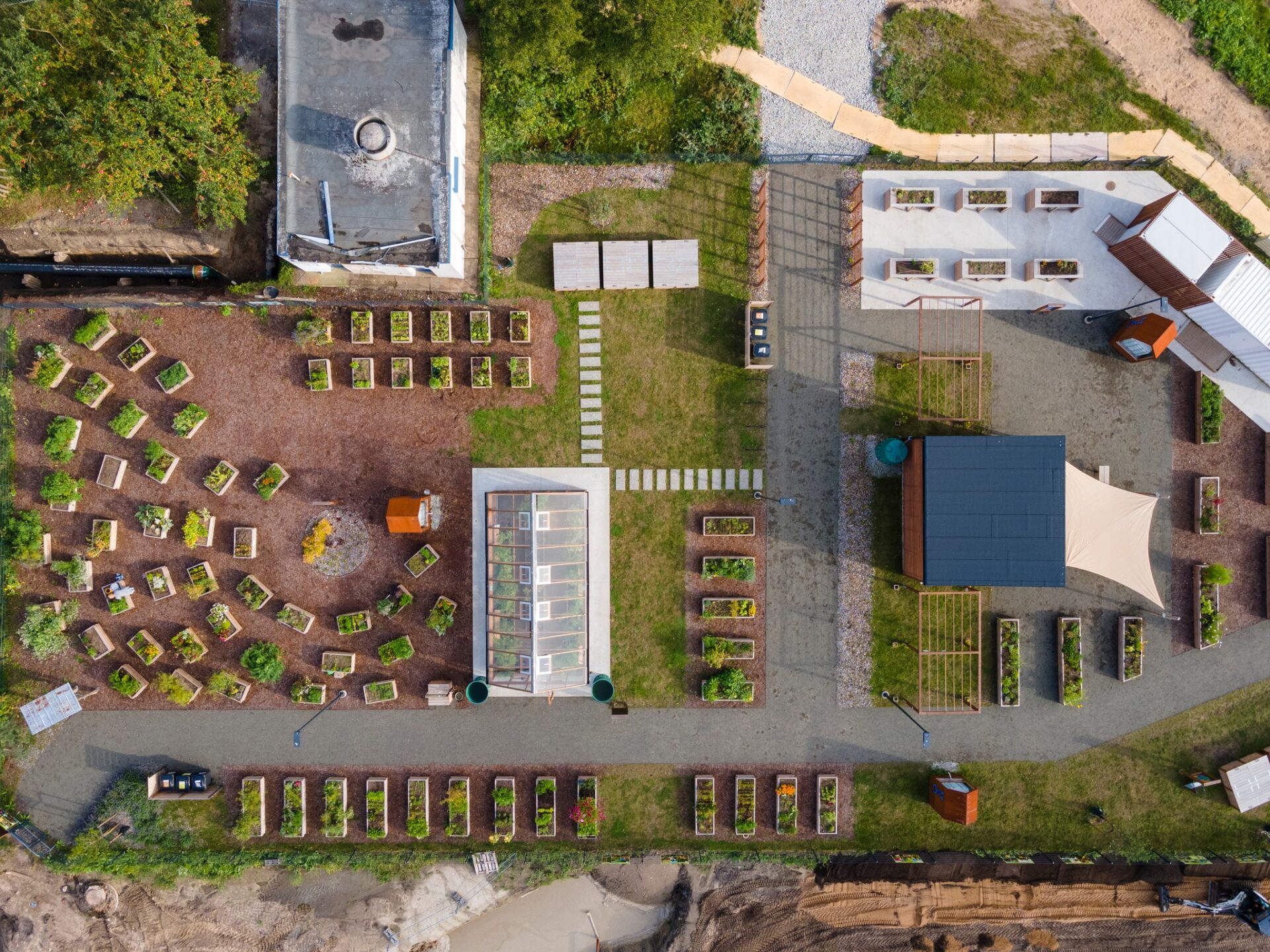
Pelgulinna community garden was one of those enjoyable projects where you could work with a great and active client. Community is a priceless resource as it deals with all important tasks that the city might otherwise struggle with – it provides security in the area, regulates activities, ensures maintenance and management and creates an increasingly important aspect in the urban space, that is, inclusion. The project team made every effort to keep the brief clear and include all key stakeholders in the discussion.
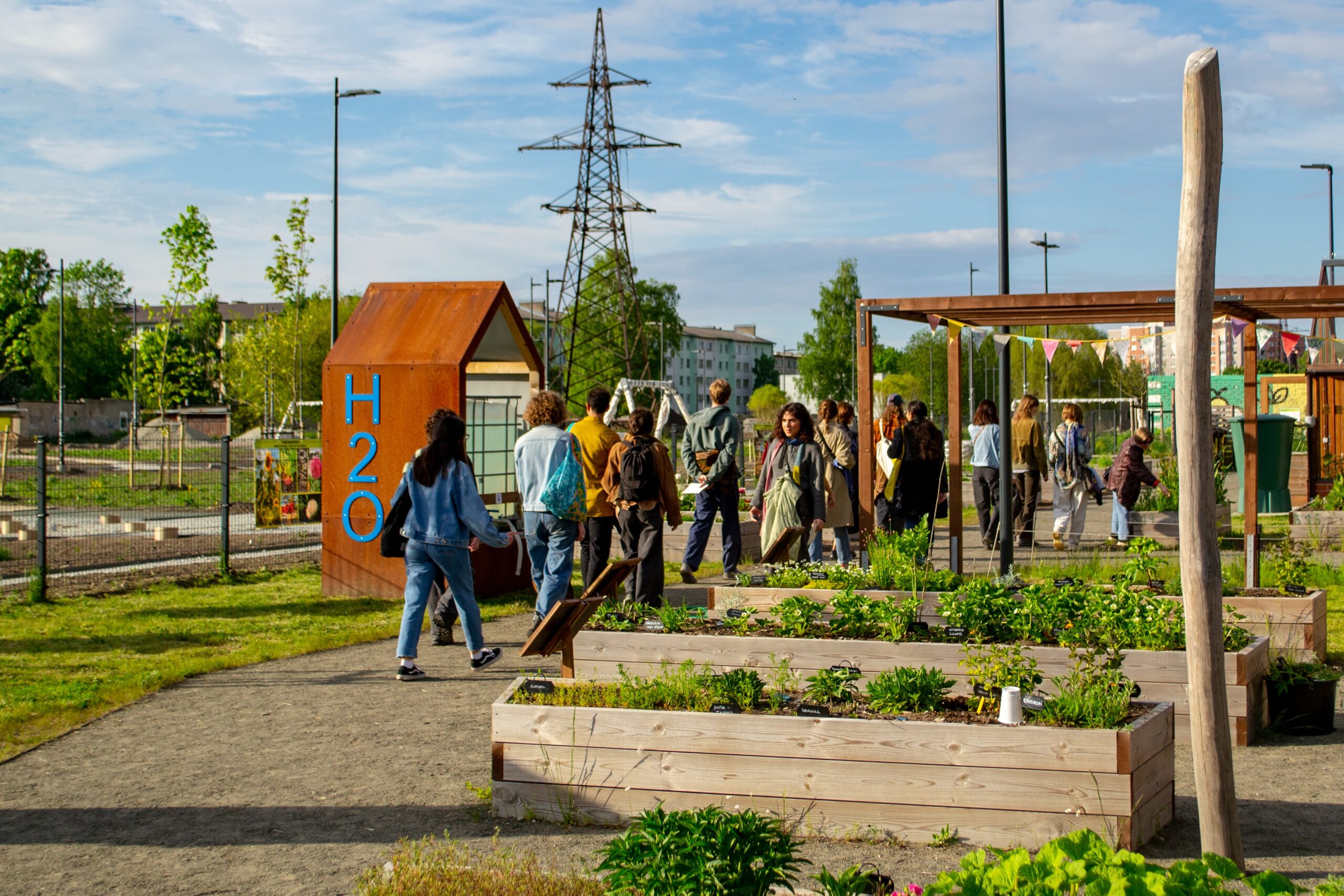
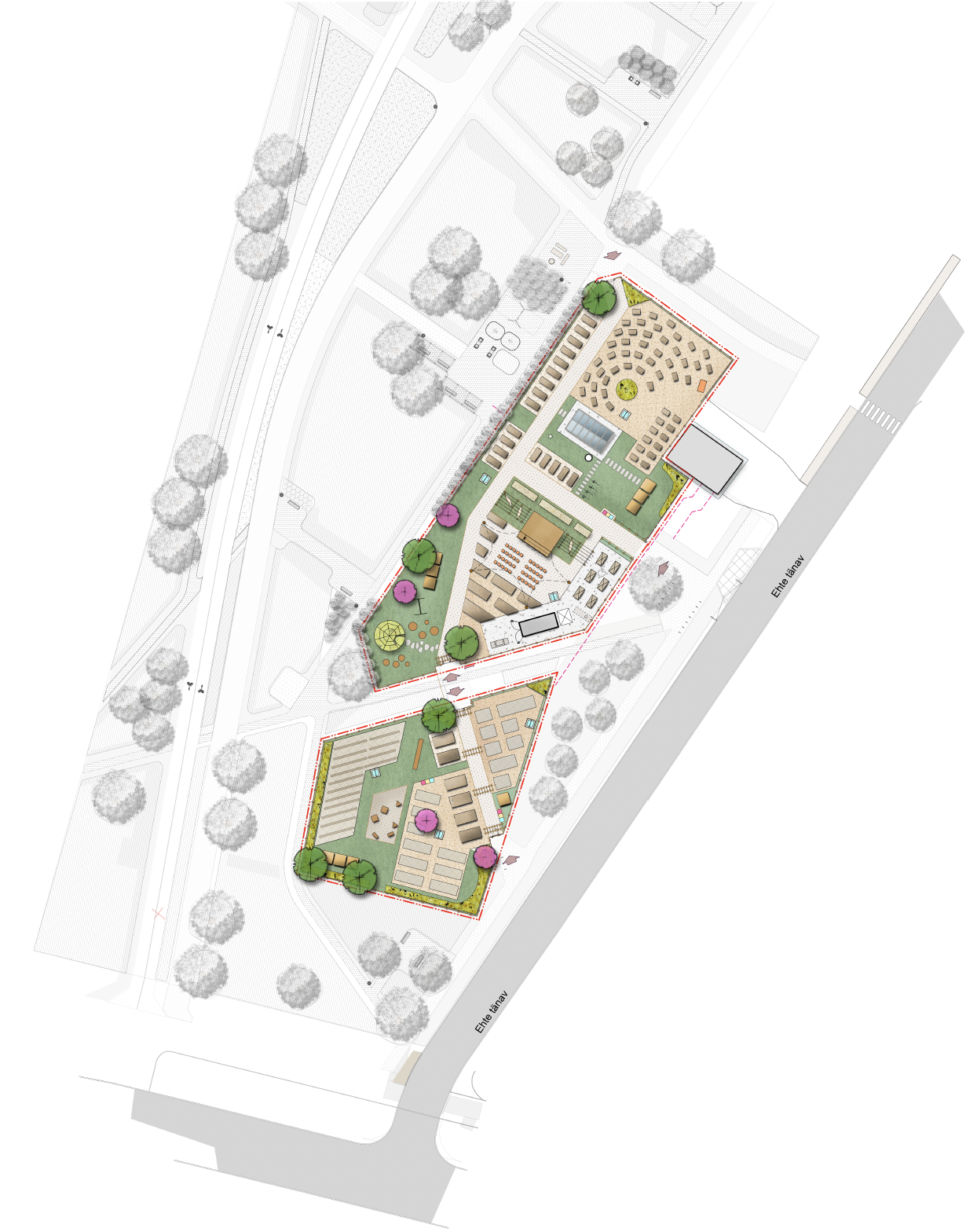
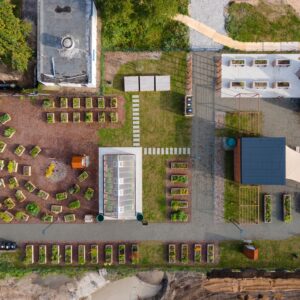
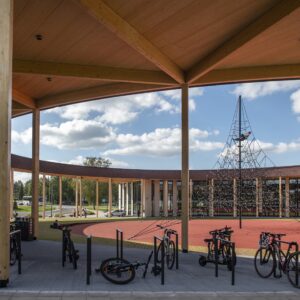
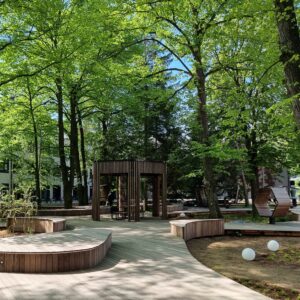
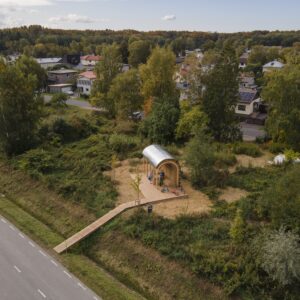
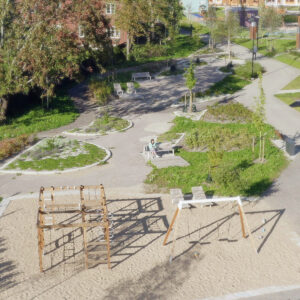
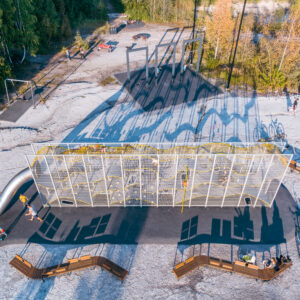
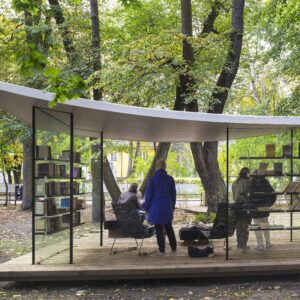
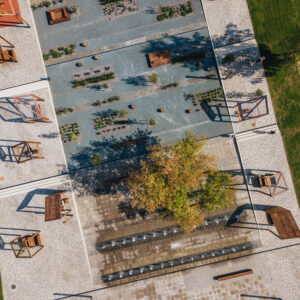
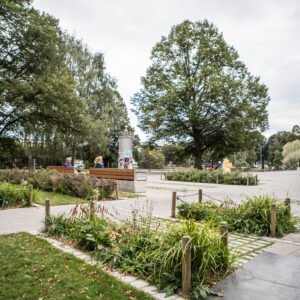
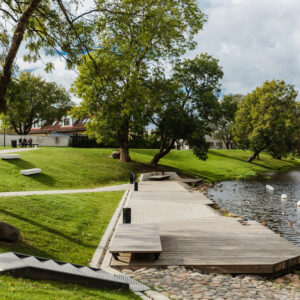
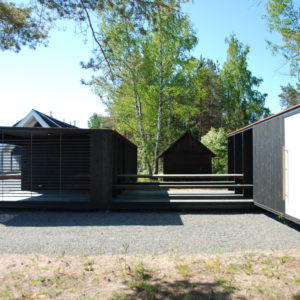
The main aim was to build a community garden that could be used by as many people as possible. The covered area for public events has been used for meetings, performances and presentations, open-air cafés, birthdays, outdoor trainings and many other joint activities. The feedback from the head of the NGO Pelguaed has been positive both in terms of design and the involvement of locals – the demand has so far exceeded the possibilities to provide more space. There are long queues – all applicants need to write a motivation letter and gardeners’ persistence in maintaining their patch or box is regularly checked with the owners of abandoned beds immediately held accountable. All other functions are similarly in active use. In some cases, the quality of the building materials has been somewhat questionable but in general everything seems to function well.
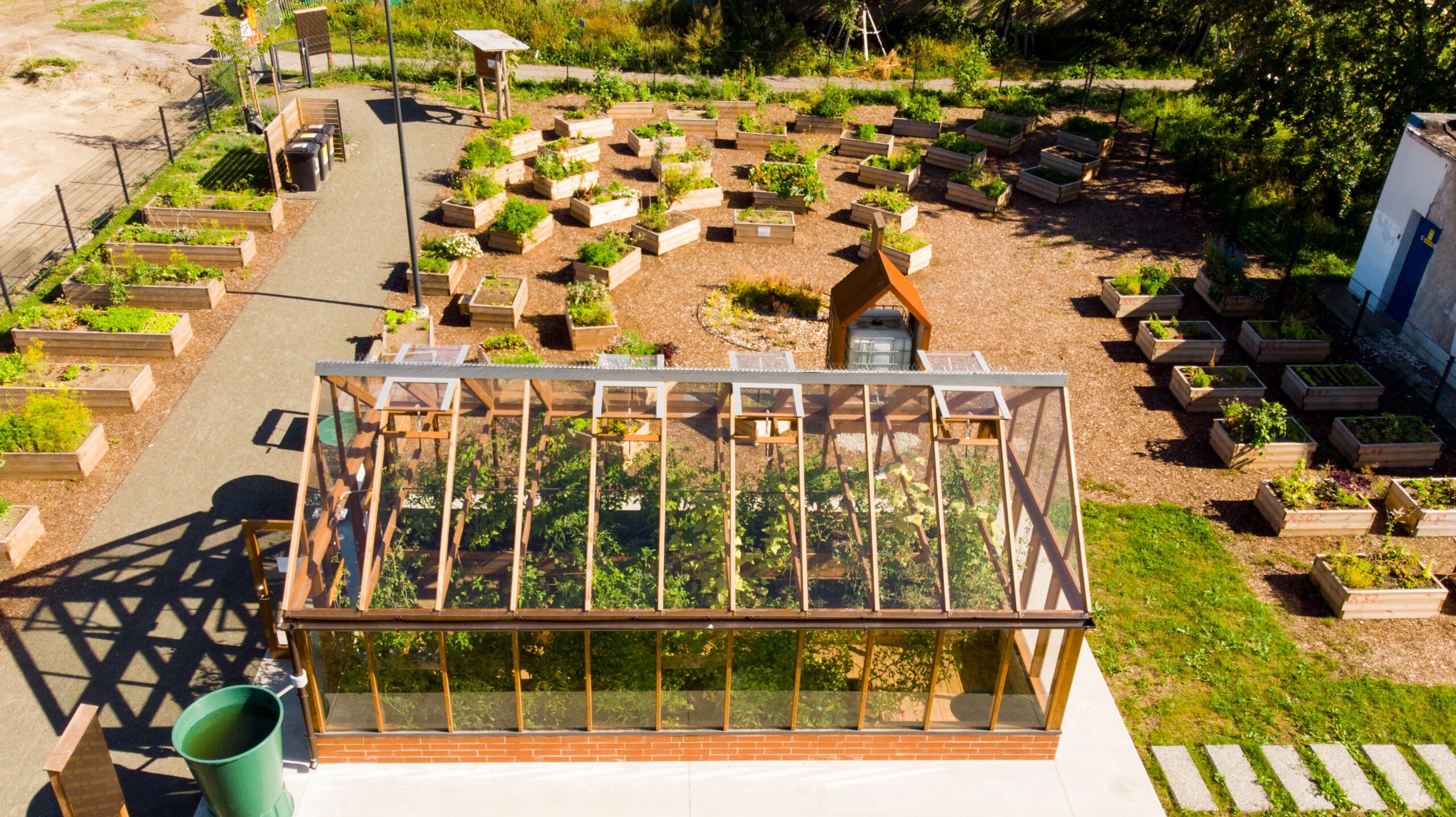
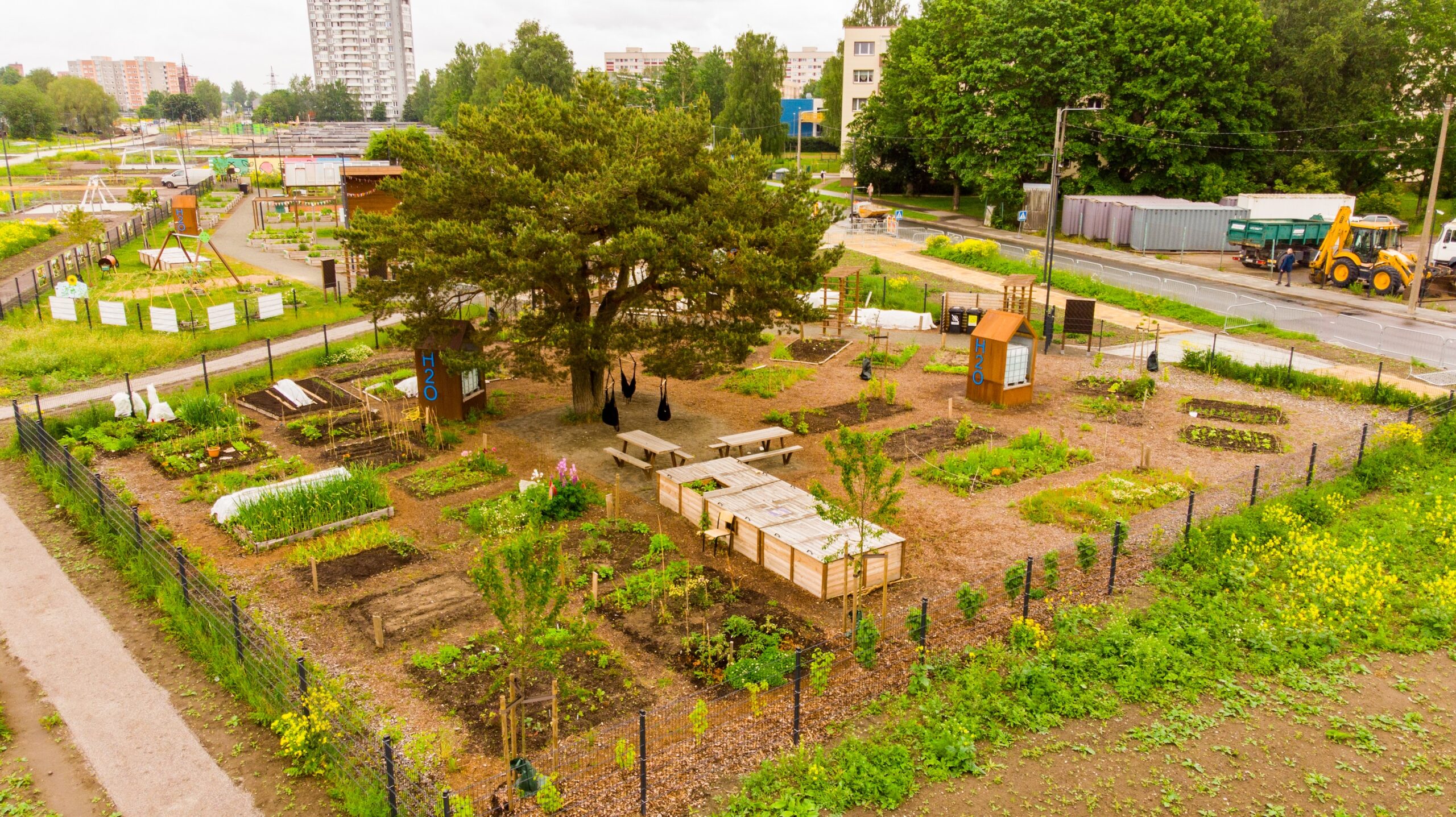
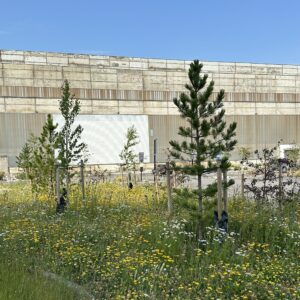
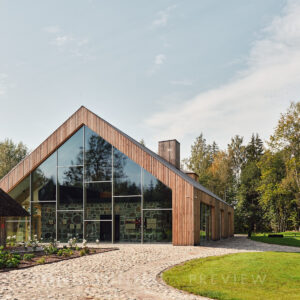
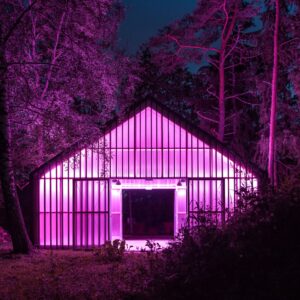
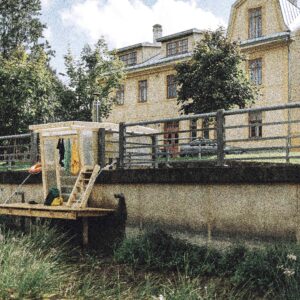
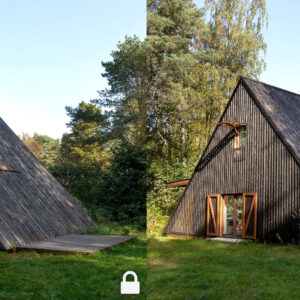
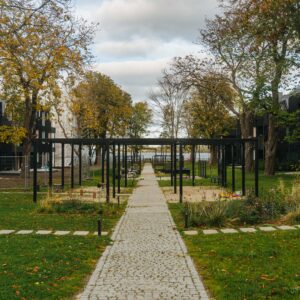
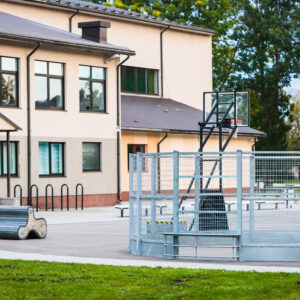
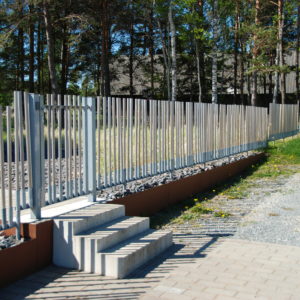
The area was enclosed by a fence to ensure safety and protect the inventory when the garden is not in use thus giving the gardeners some peace of mind. There are, of course, rare instances of people coming over the fence, with also foxes and hares among frequent visitors. Gardeners have installed hanging chairs on the pine tree as well as fences between the patches. There is room for creativity also in the greenhouse with a cosy nook for hiding from poor weather. It is gratifying to see the project area continue to grow on its own allowing people to enjoy outdoor living and ensure biodiversity.