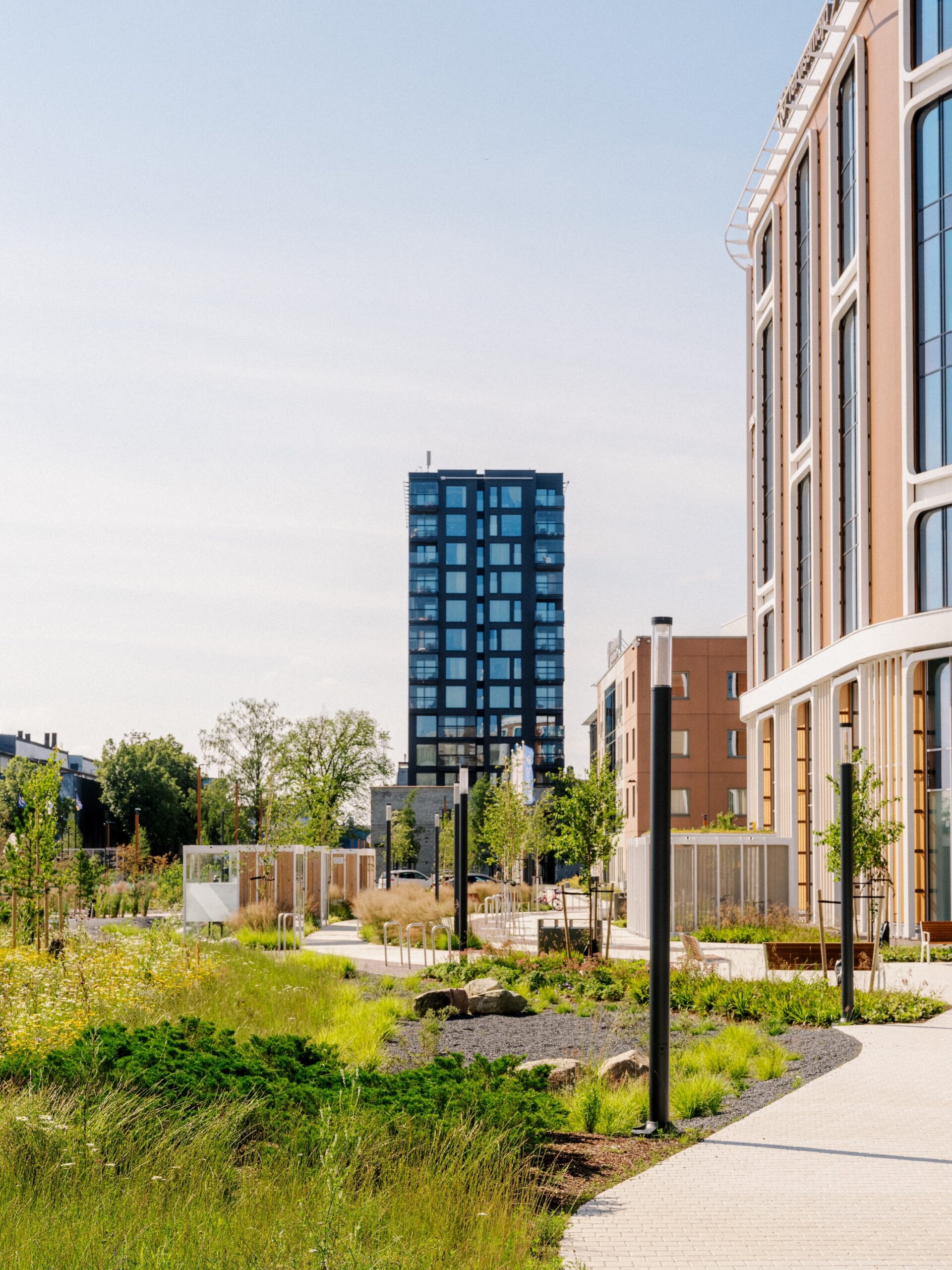
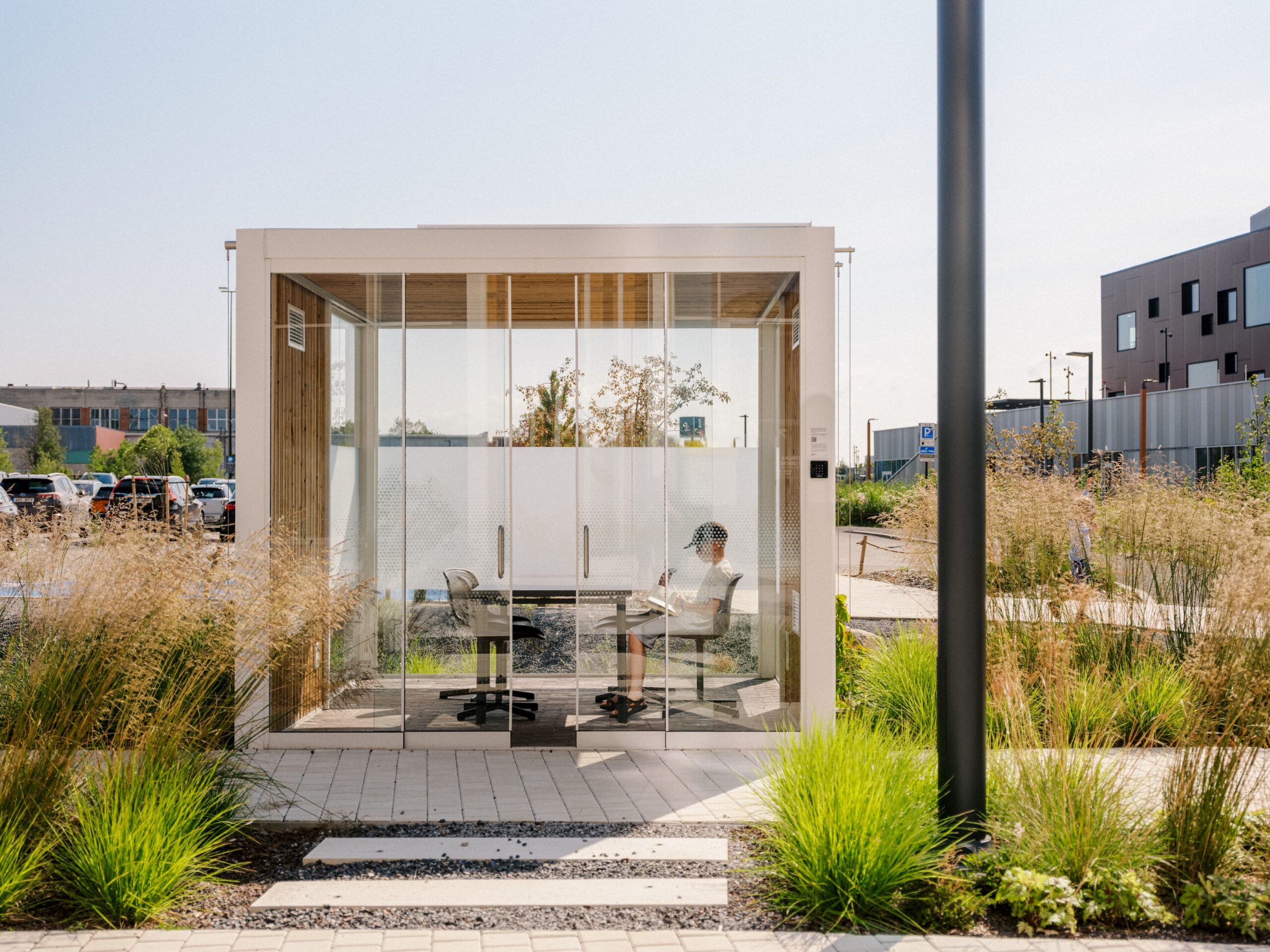
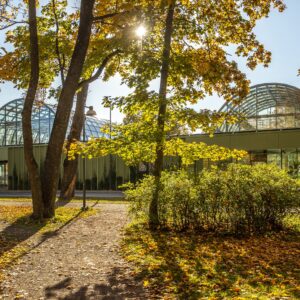
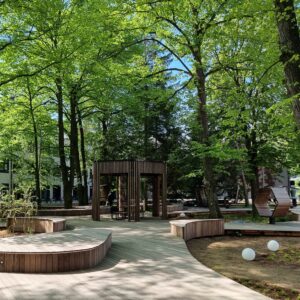
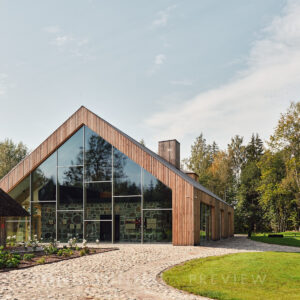
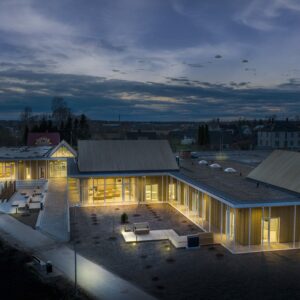
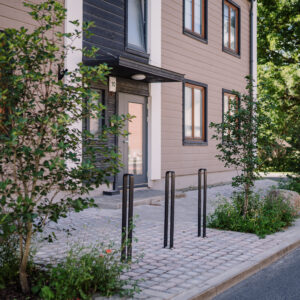
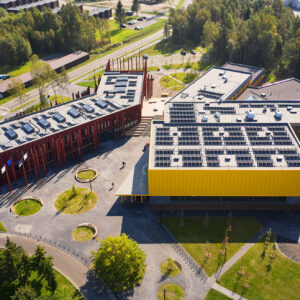
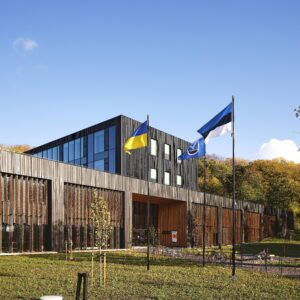
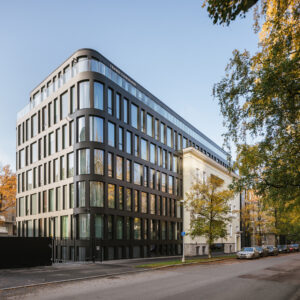
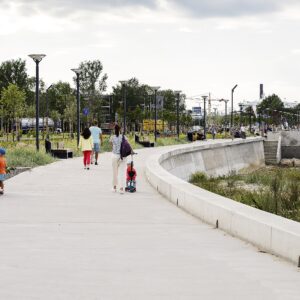
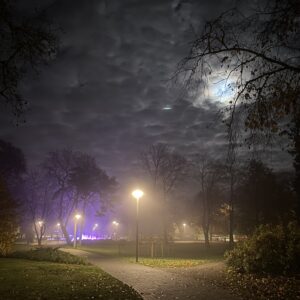
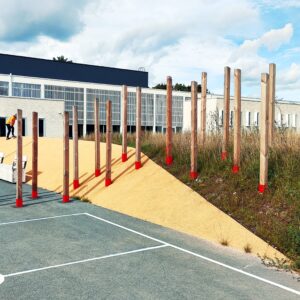
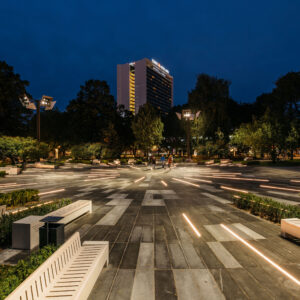
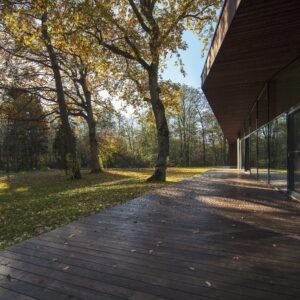
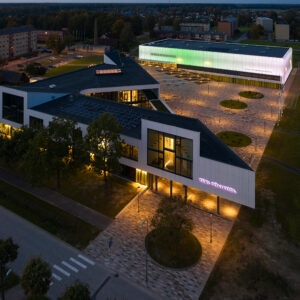
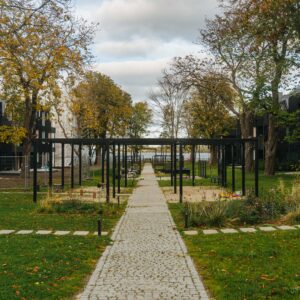
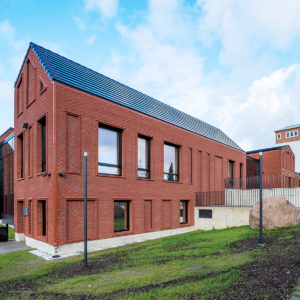
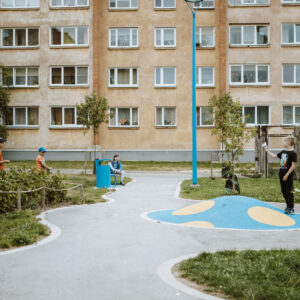
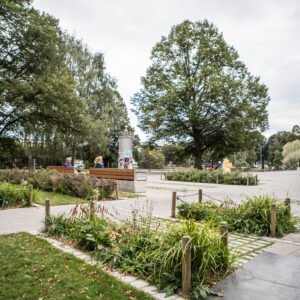
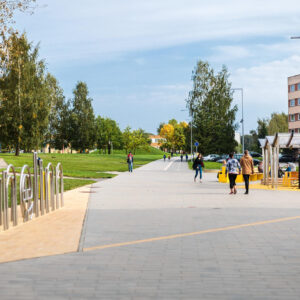
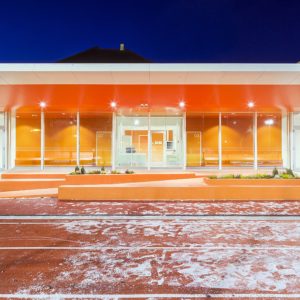
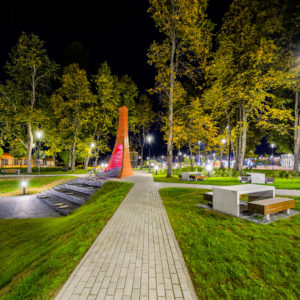
Environment affects people. As a building, the health centre primarily provides healthcare services, but the aim in the outdoor area design was to maintain the health of the 18,000 residents and visitors of Ülemiste City and to prevent their health problems. The concept is based on environmental psychology – the result is a light, bright and green space that increases productivity and helps to cope with everyday stress
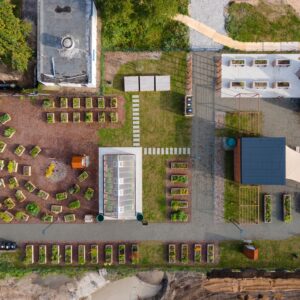
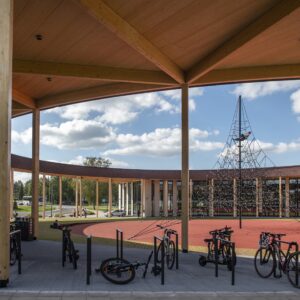
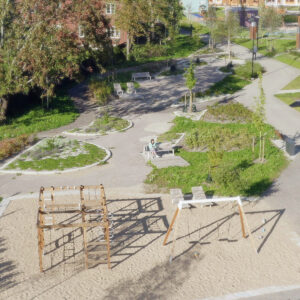
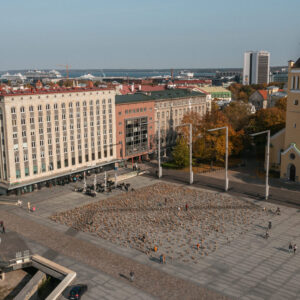
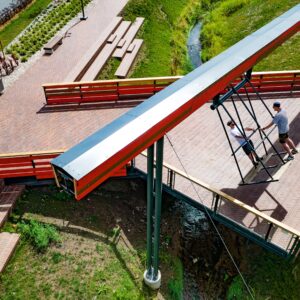
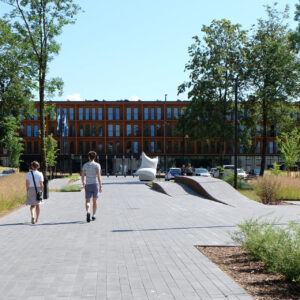
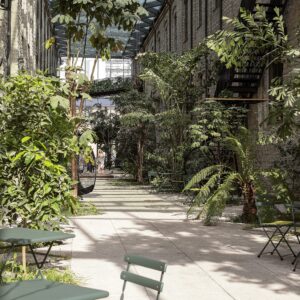
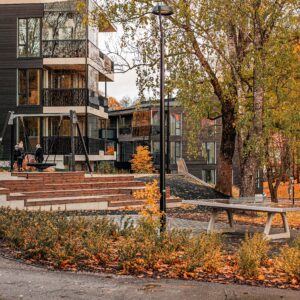
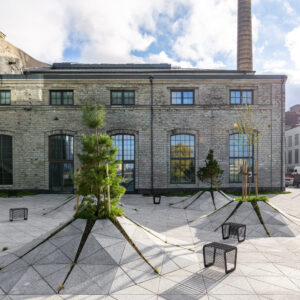
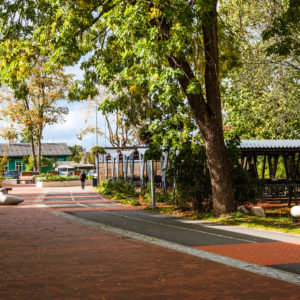
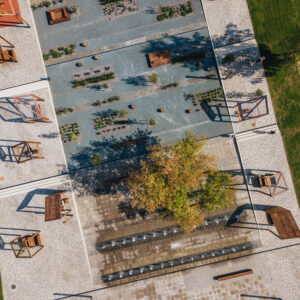
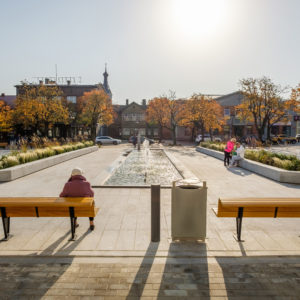
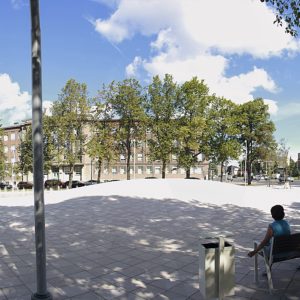
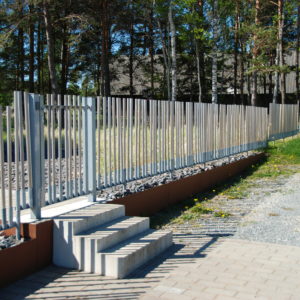
The transformation of the tarmac square into a cosy work environment needed intervention that would also consider environmental problems. The surfaces are mostly in light hues to decrease the urban heat island effect. Rainwater is buffered in rain gardens, collected in tanks and later reused for watering the plants. Green is not merely an addition here but the main tone, climbing up the walls of the building and forming roofs of tree canopies overhead.
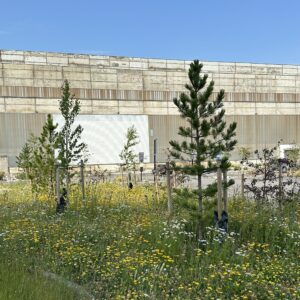
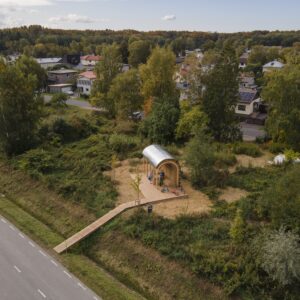
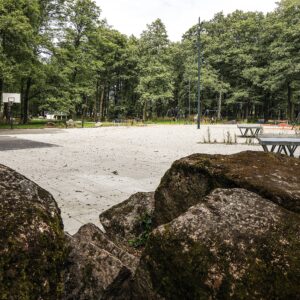
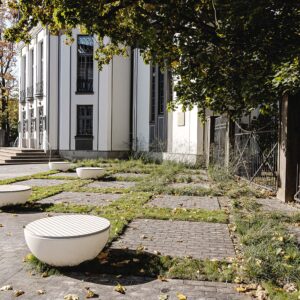
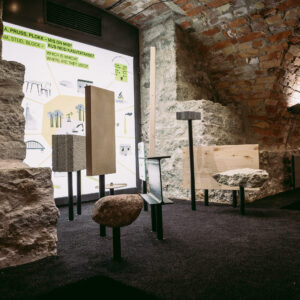
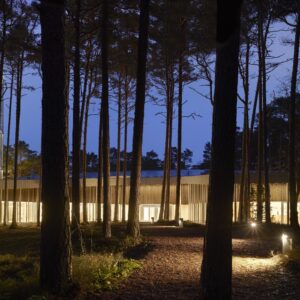
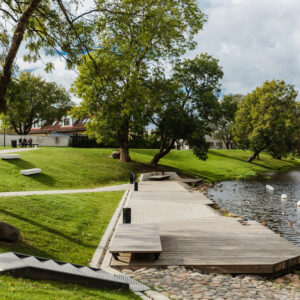
In the establishment of one of the first small urban forests in Estonia, we relied on the methods of the Japanese botanist Akira Miyawaki. The species that have adapted to the local climate and growing conditions over the centuries need minimal intervention to stay alive while the ecological community regulates itself. The paths and landforms in the forest illustrate an economical use of materials – the limestone was excavated underneath the footprint of the building here.
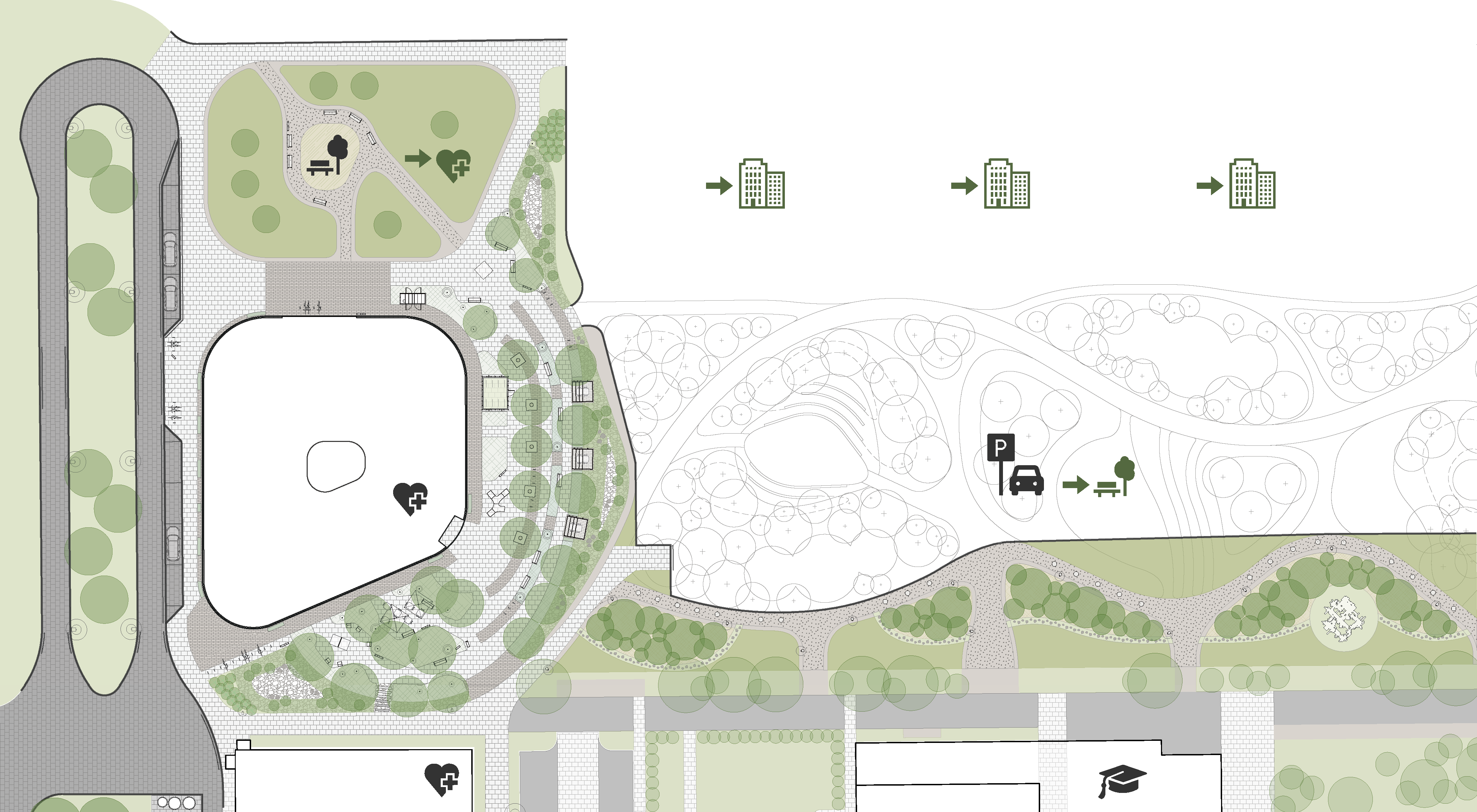
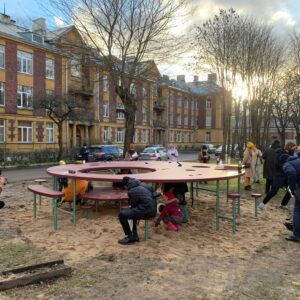
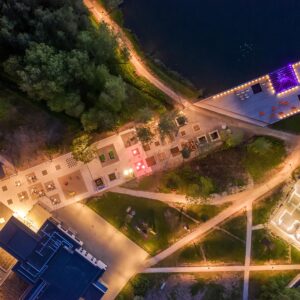
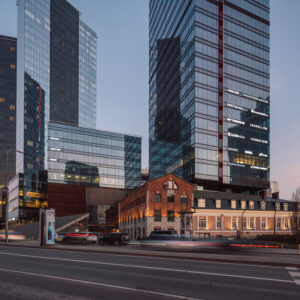
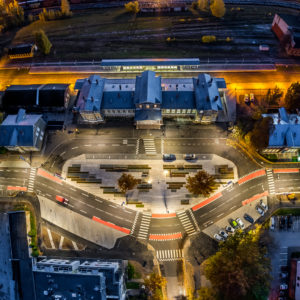
Today, the first fragment of the larger park area has been built. The extension of the health centre is under construction with the recyclable greenery in its footprint to be transferred to a new project area. When designing the area, we looked to the future – we saw a park instead of a parking lot, a forest instead of asphalt, and a bubbling residential area instead of industrial buildings. We are looking forward to the park to be fully completed.















 206
206 

 TAGASI