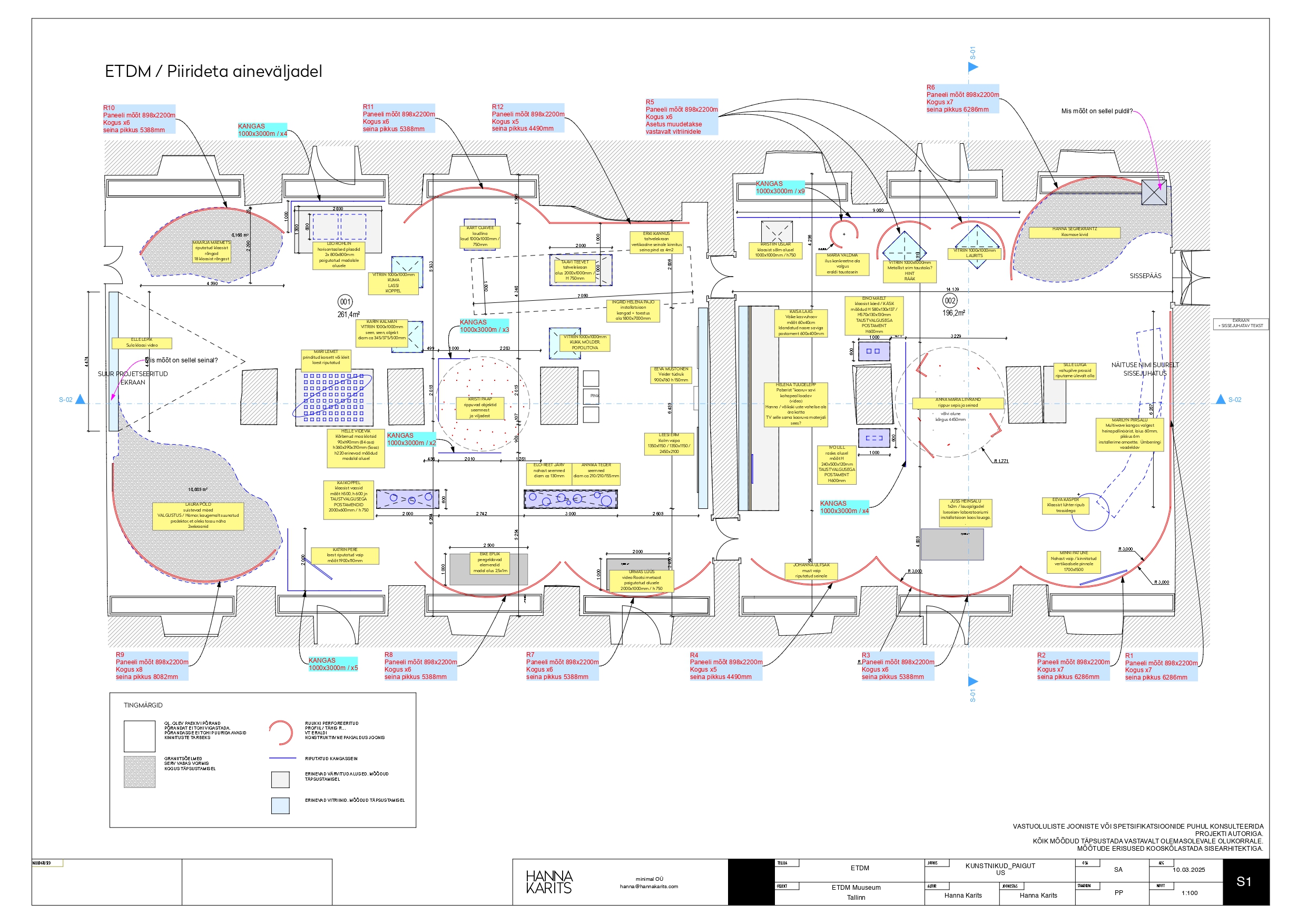
The Estonian Museum of Applied Art and Design’s summer exhibition in 2025 investigated the artist’s relationship to material in its broadest sense. The 43 artists, all with an applied art and design background, exhibited original works to test, probe and toy with the nature of different fundamental materials of the discipline such as glass, metal and clay.
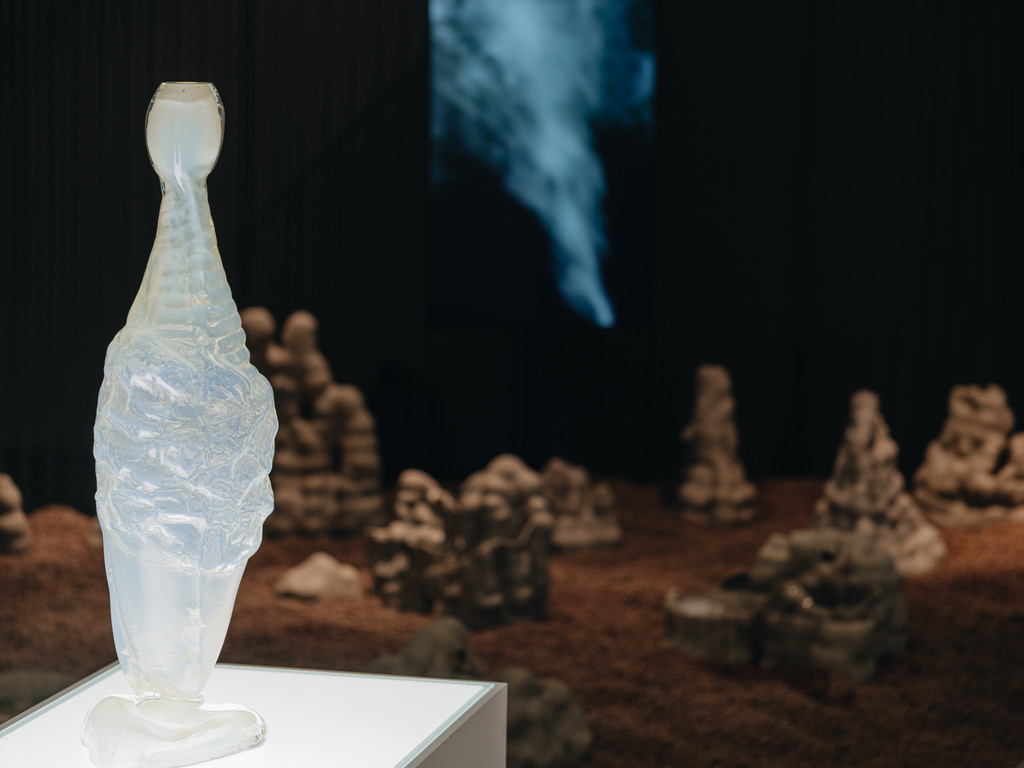
Interior architect Hanna Karits and her team sought to integrate this whole motley array of materials and authorial stances into a spatial whole. The biggest challenge when it came to creating the design was to invent a unified system where each work was equally important for the exhibition whole and the works would support each other. It was important to create tension between works and changing materials, since the curators set trans-material diversity as one of the core thesis of the exhibition. Their selection encompassed very different-looking works that made up a chaotic set, involving artists from different generations. They also studied and highlighted thematic works from the museum collection, placing them in a new context. The works displayed at the exhibition are functional only in a qualified sense – it might be possible to use a given item as a brooch, vase or knife, but their main ambition was to offer the experience of encountering art. Precisely this led to the creation of a sphere where materials and substances mingled.
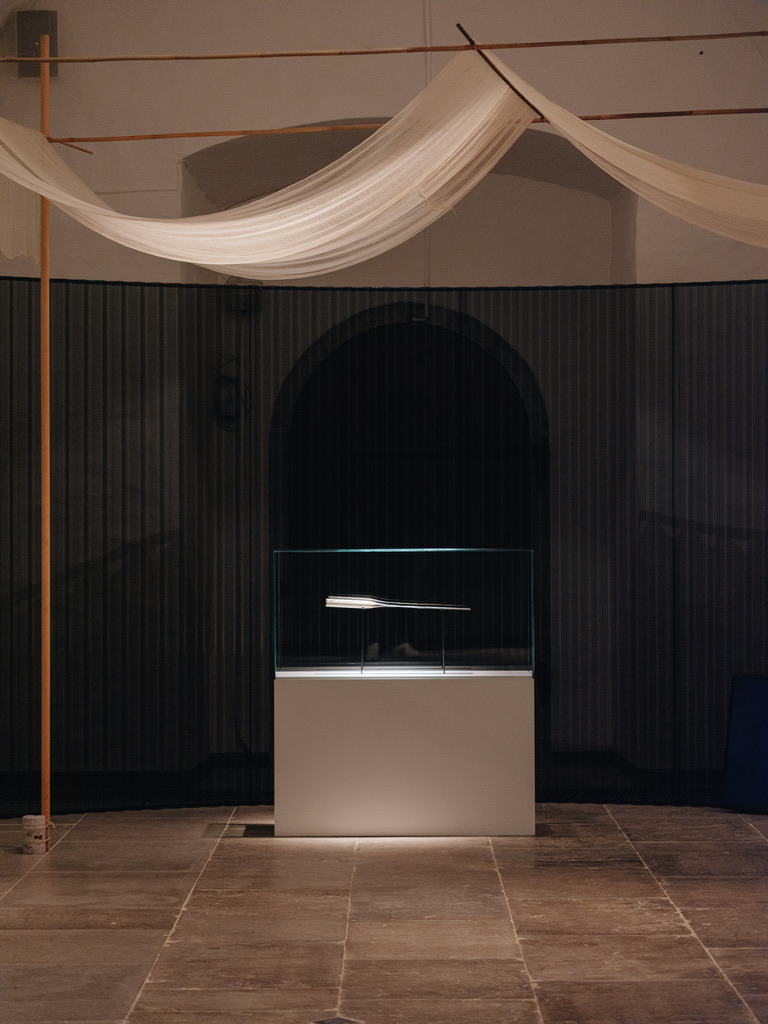
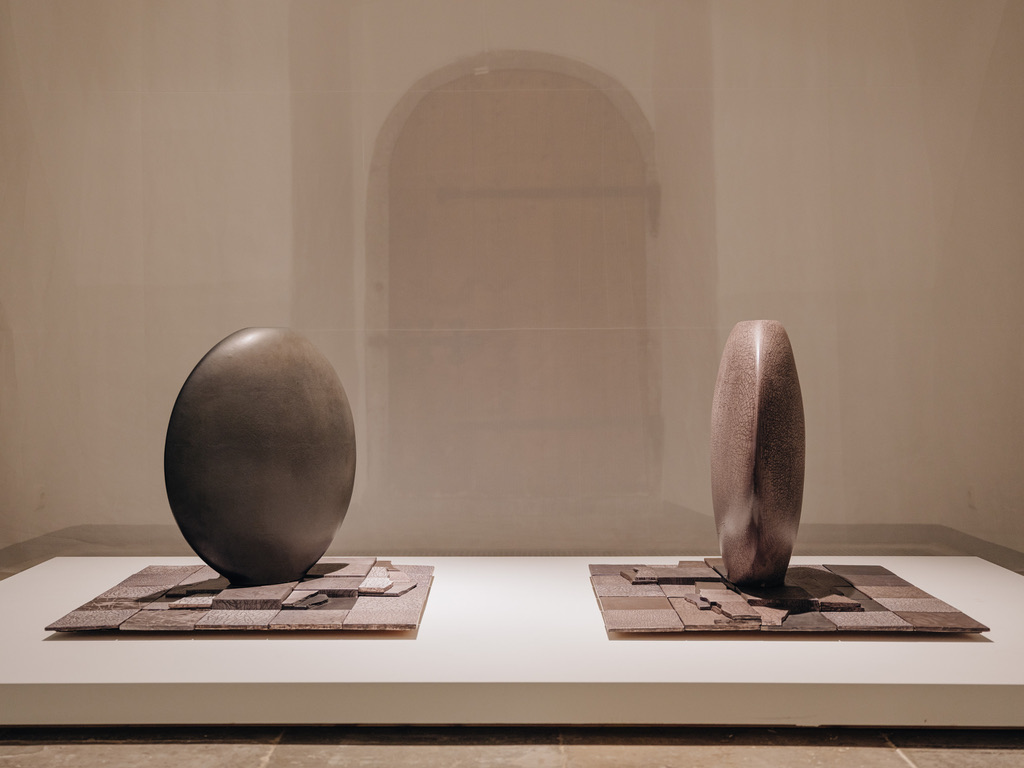
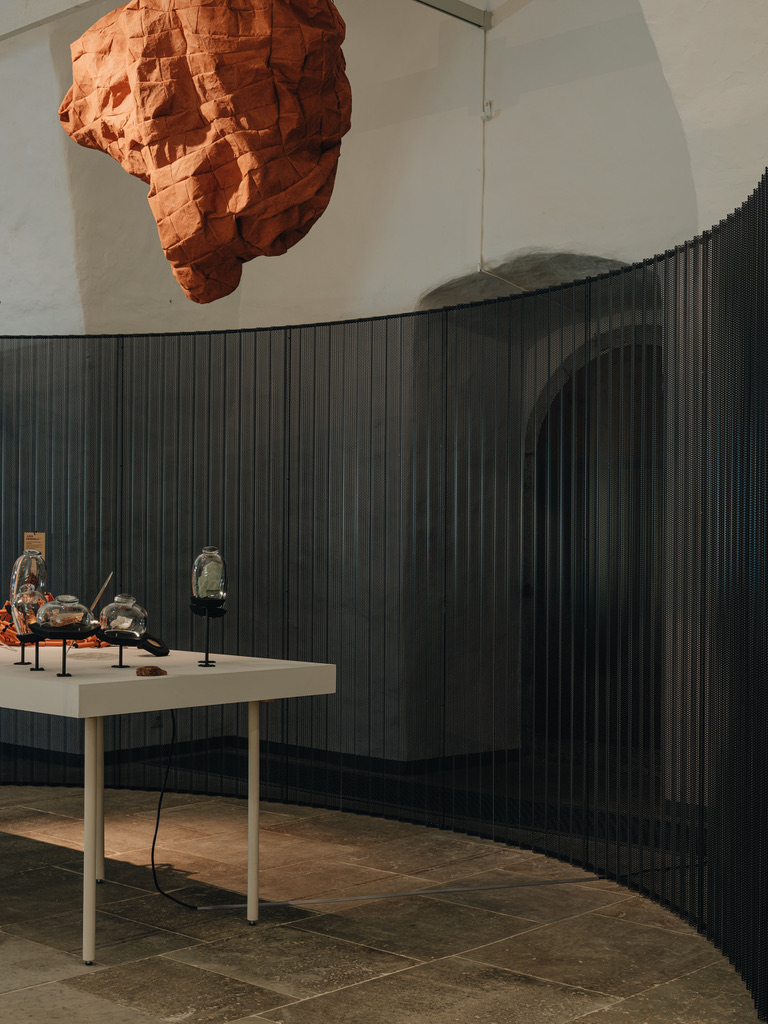
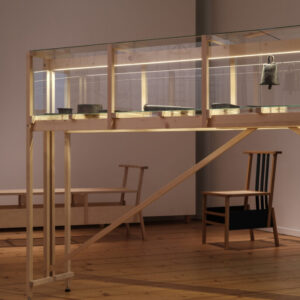
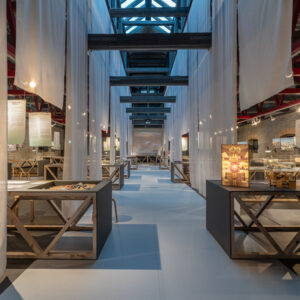
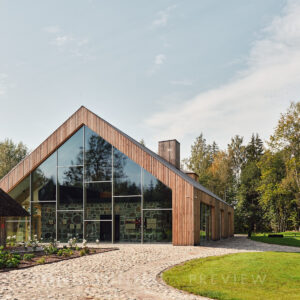
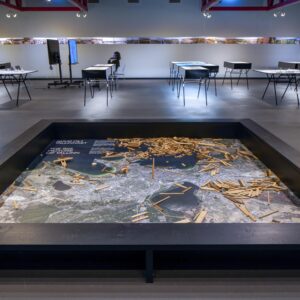
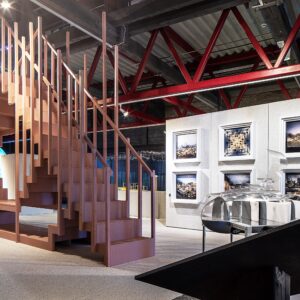
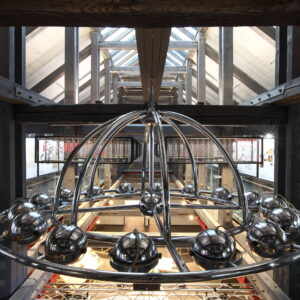
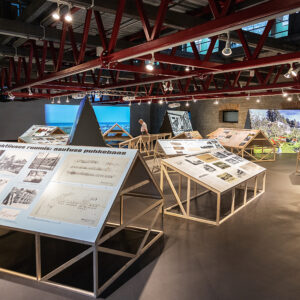
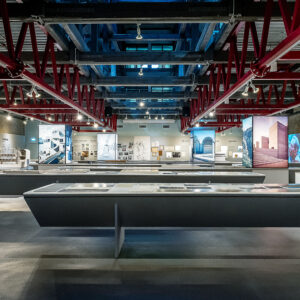
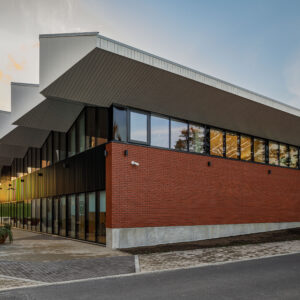
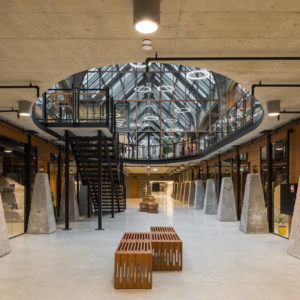
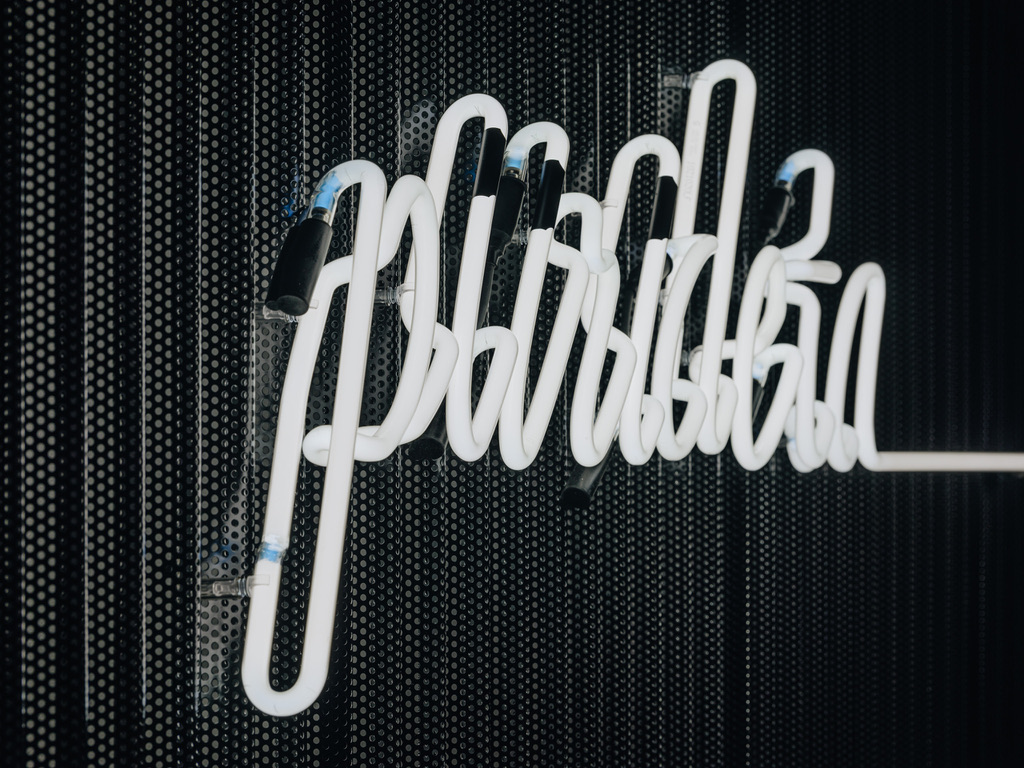
The primary element of the exhibition was a black perforated metal mesh that created a clear reference system for the works, yet whose streamlined nature kept exhibition-goers in motion. The works were installed on white plinths in different measurements, some of them covered with glass domes, and others left boldly out in the open, expressing trust in the museum visitor. Some works hung vertically in the museum space converted from a former barn, creating multiple levels for viewing. The centrepiece of the exhibition was a neon sign produced especially for the exhibition, reading “piirideta___״ (borderless ___), and its delicate calligraphic style became the signature element of the exhibition.
The design created under the guidance of Karits became a work in its own right, corresponding precisely to the curators’ theme of flowing materiality. The exhibition was practical and supportive of the displayed works, yet the works could also be enjoyed artistically on their own merits.
* Participants with works exhibited: Linda al-Assi, Eike Eplik, Leesi Erm, Juss Heinsalu, Nils Hint, Elo-Reet Järv, Karin Kalman, Elle Kannike, Erki Kannus, Kai Koppel, Keiu Koppel, Helene Kuma, Triin Kukk, Eeva Käsper, Kaisa Laas, Kristiina Laurits, Mari Lemet, Ivo Lill, Anna Mari Liivrand, Sille Luiga, Eva Mustonen, Eino Mäelt, Maarja Mäemets, Arseni Mölder, Kärt Ojavee, Kristi Paap, Ingrid Helena Pajo, Kadi Pajupuu, Minni Patune, Katrin Pere, Marilyn Piirsalu, Darja Popolitova, Laura Põld, Leo Rohlin, Mari Rääk, Hannah Segerkrantz, Annika Teder, Taavi Teevet, Helena Tuudelepp, Johanna Ulfsak, Kristiina Uslar, Maria Valdma-Härm, and Helle Videvik














 154
154 

 TAGASI