

















 326
326 

 TAGASI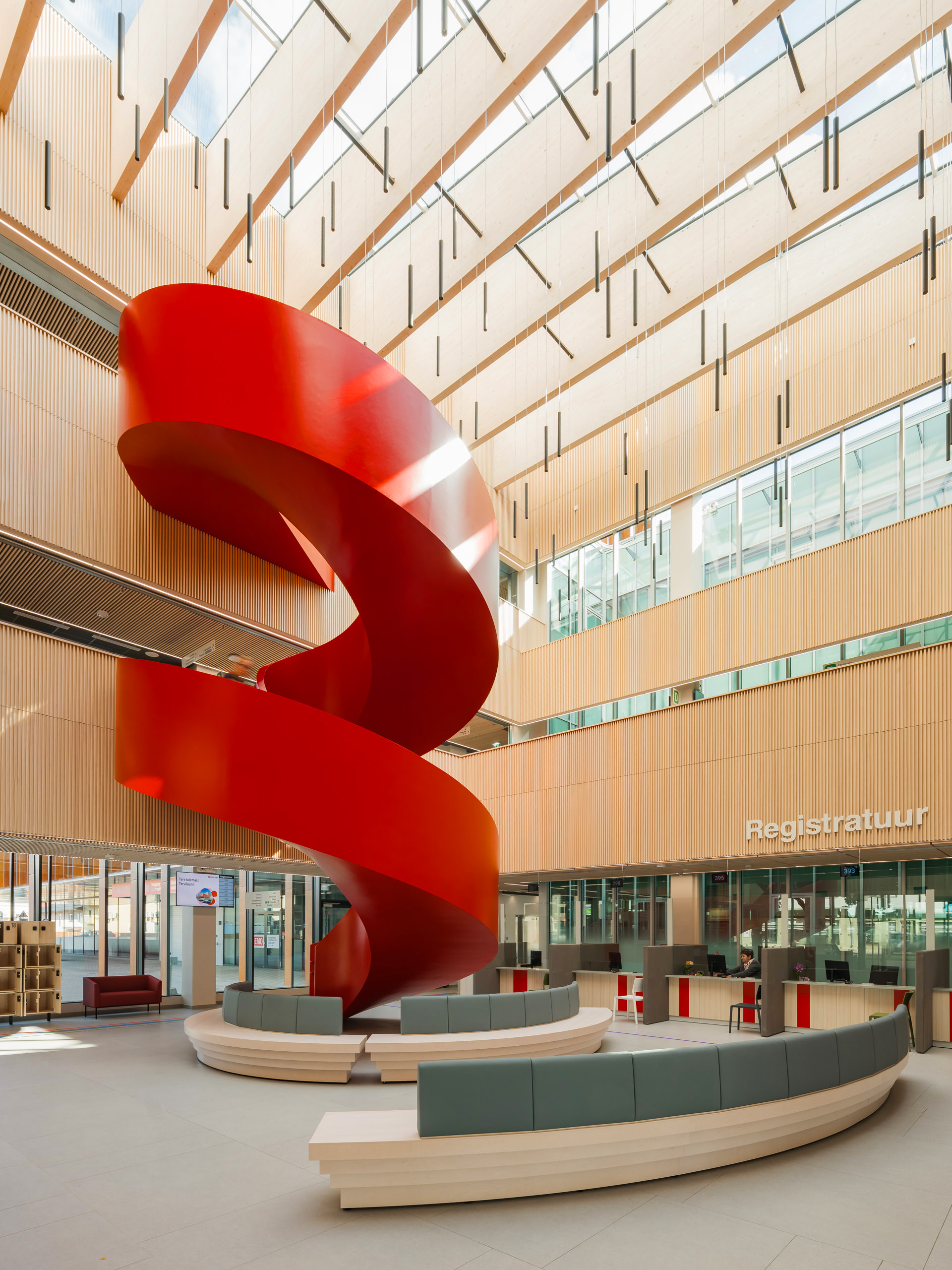
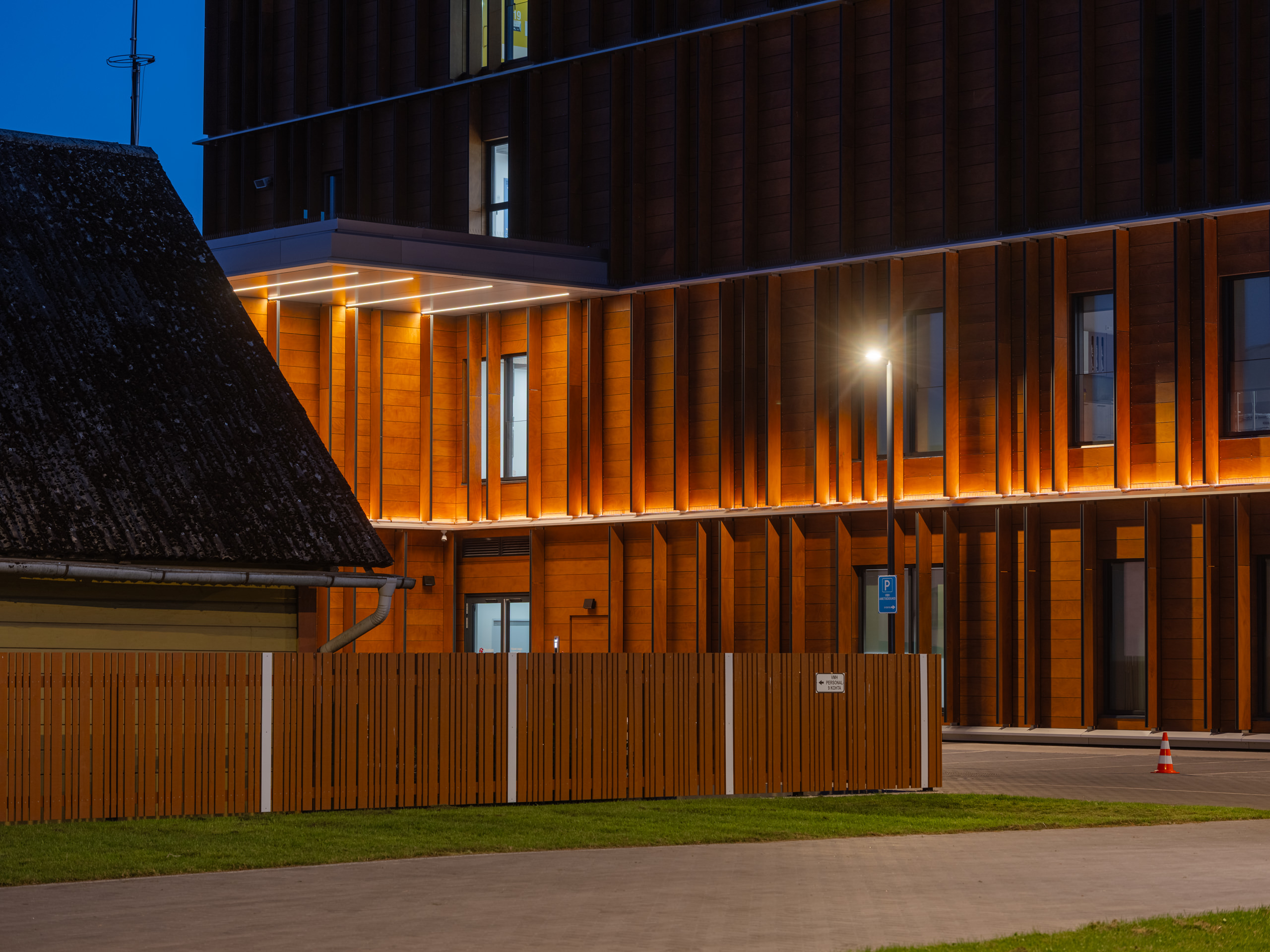
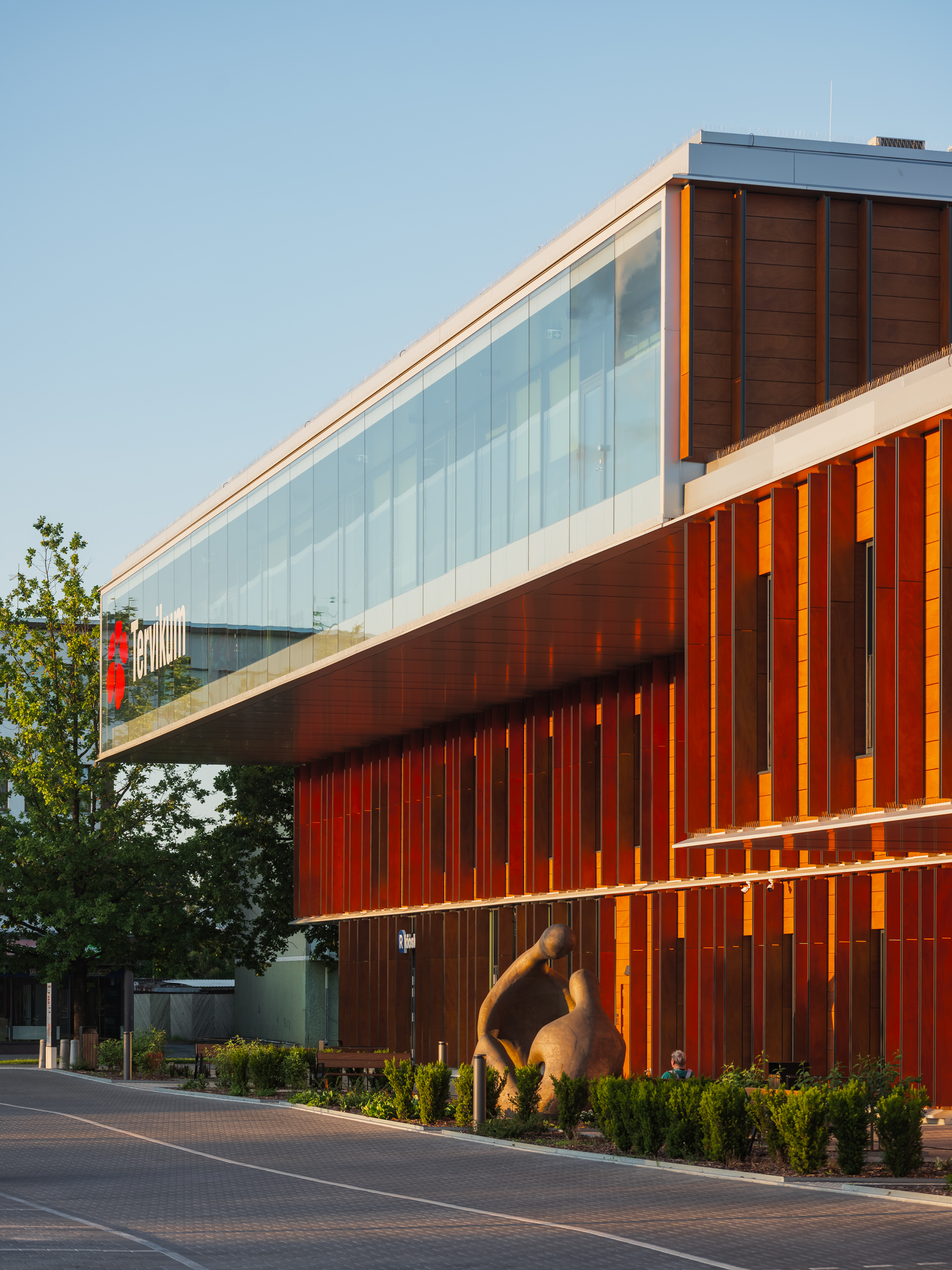
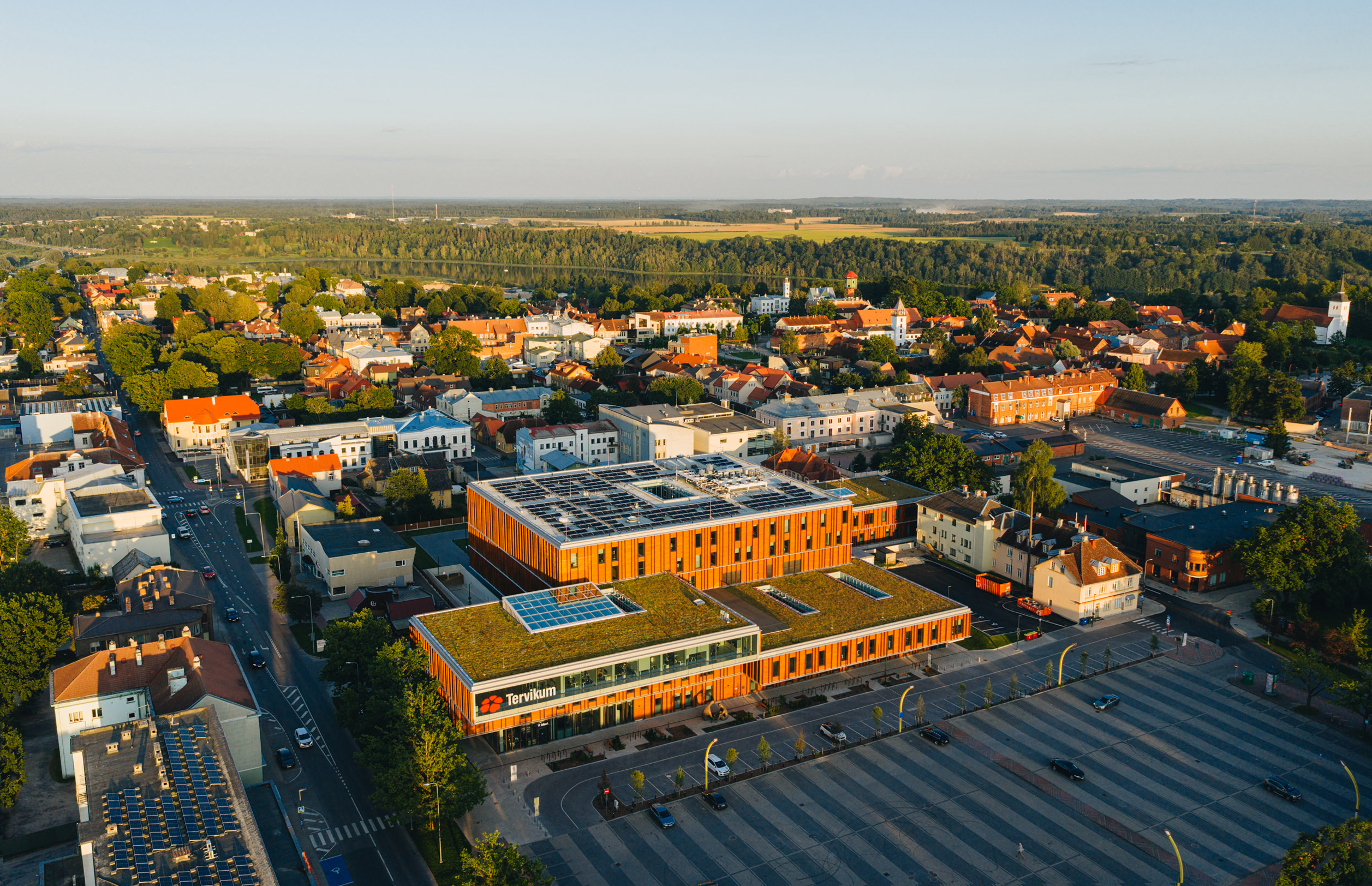
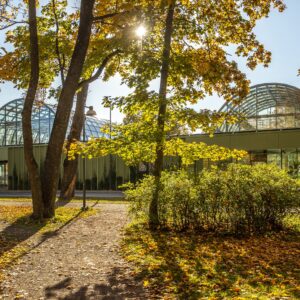
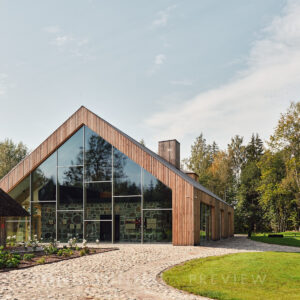
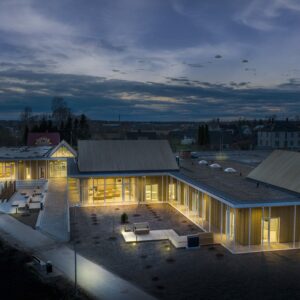
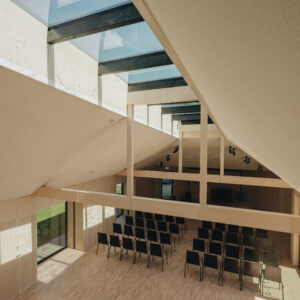
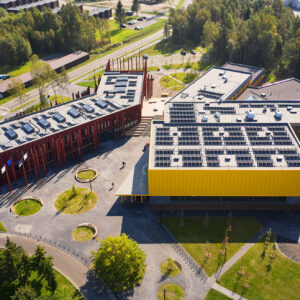
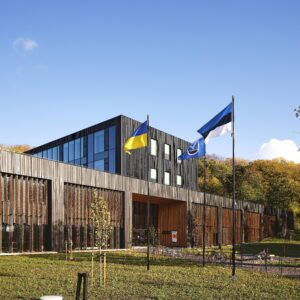
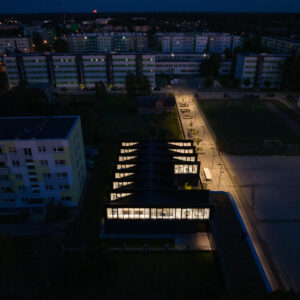
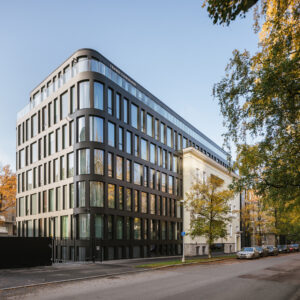
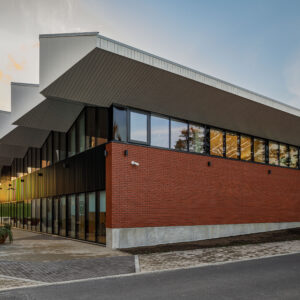
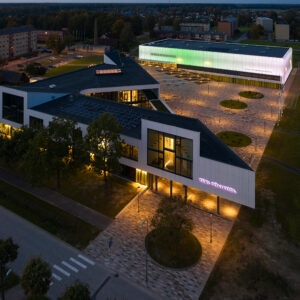
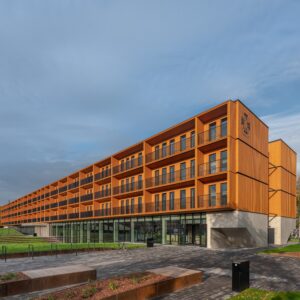
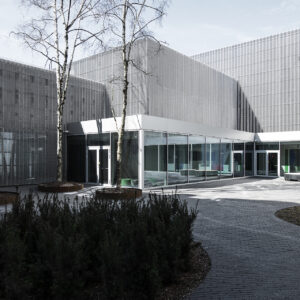
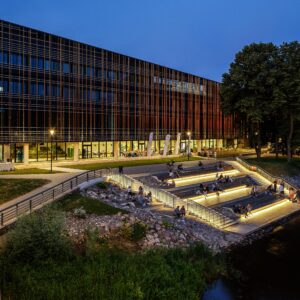
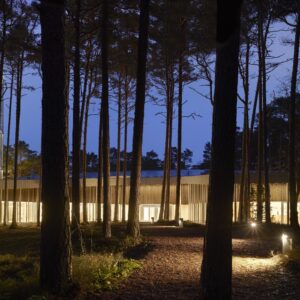
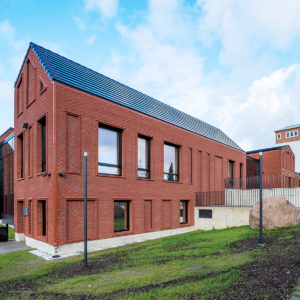
Tervikum is Viljandi County’s new hospital and healthcare centre, encompassing all of the health services provided to county residents: general practitioners and specialists, nurses and midwives, emergency room service and rehabilitative care. Tervikum is the first wholly new hospital building constructed in Estonia since the restoration of independence.
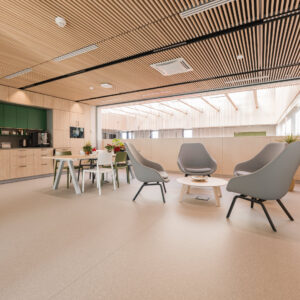
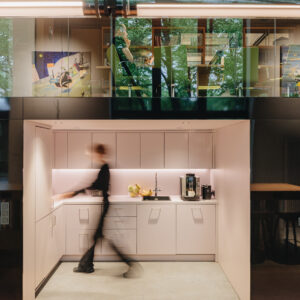
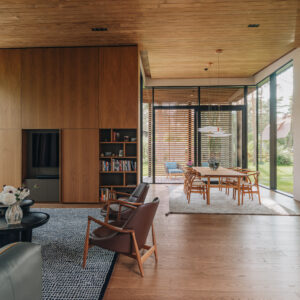
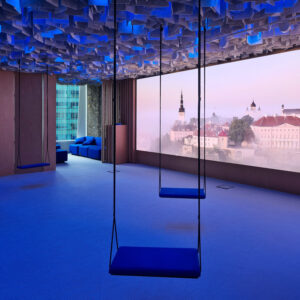
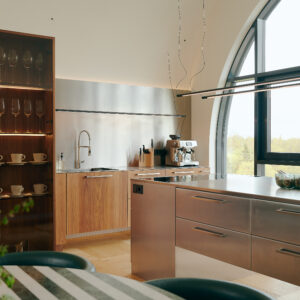
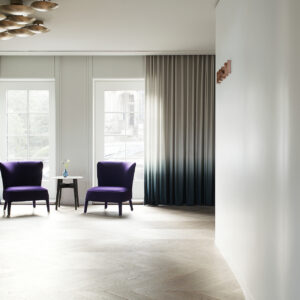
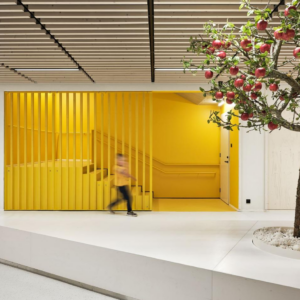
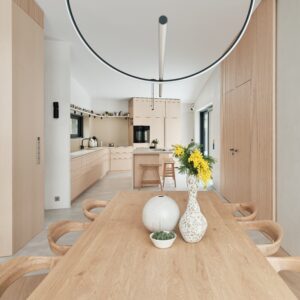
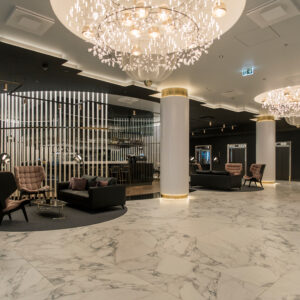
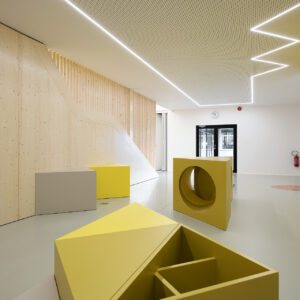
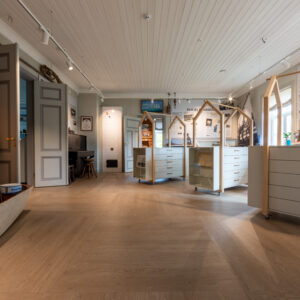
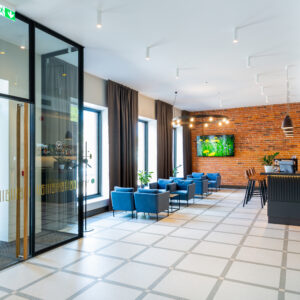
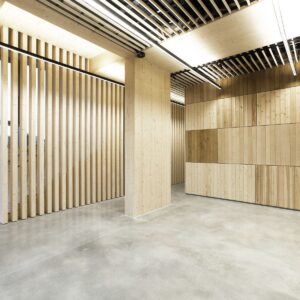
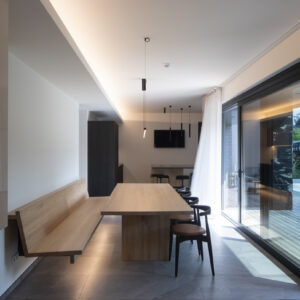
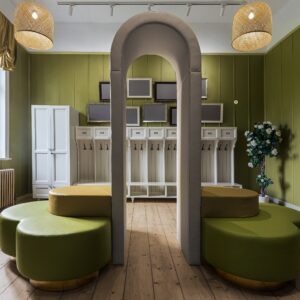
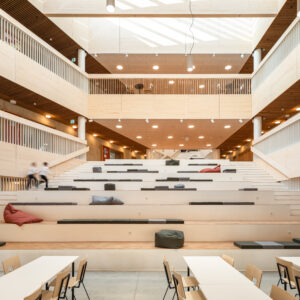
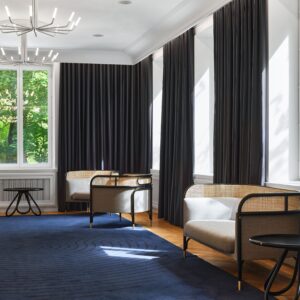
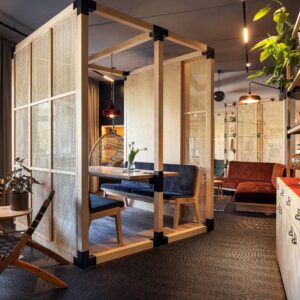
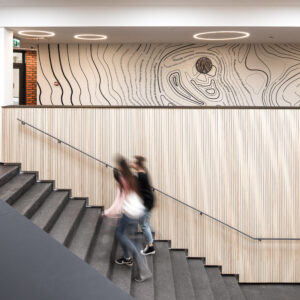
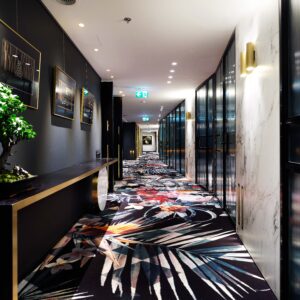
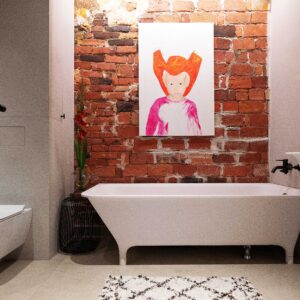
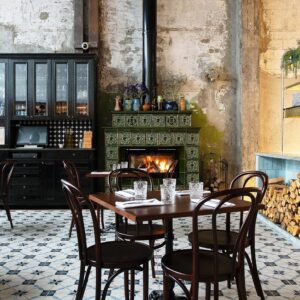
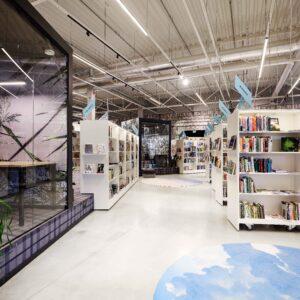
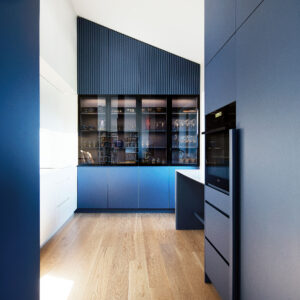
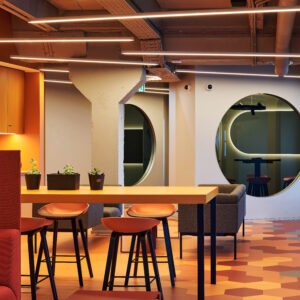
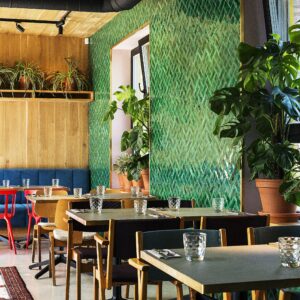
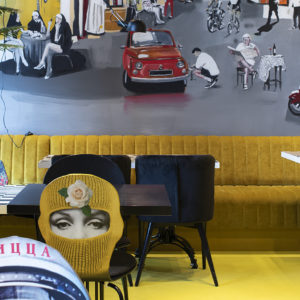
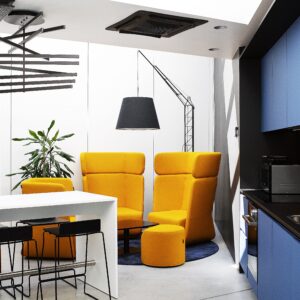
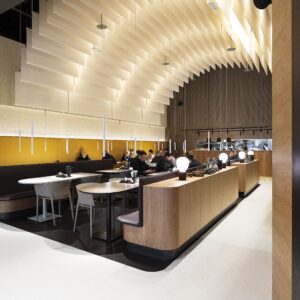
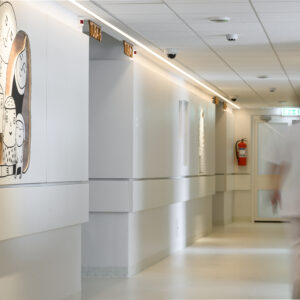
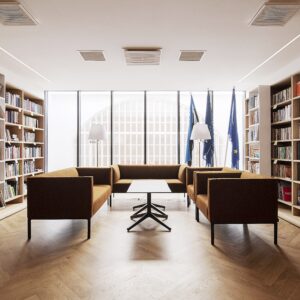
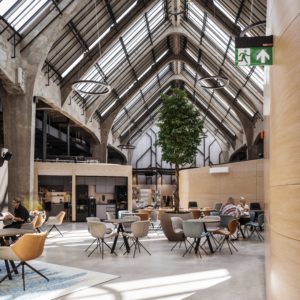
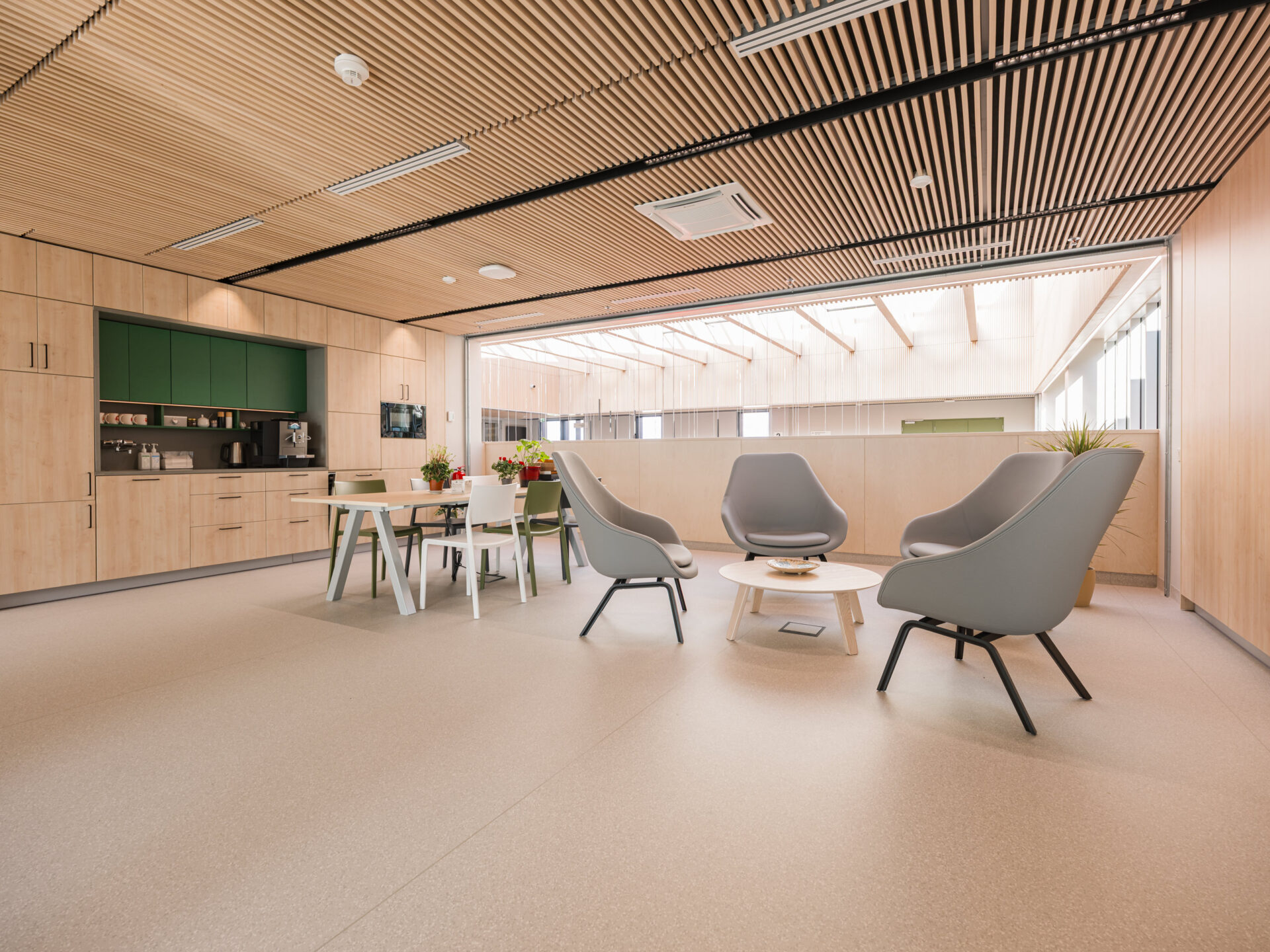
The new healthcare building was planned holistically, with the border between architecture and interior architecture being natural and purposeful. The nature of the interiors stemmed from principles gleaned from the architects’ conceptual design “Life”, which determined the positioning of the building wings and the general tone colour of the interiors. Interior architect Tarmo Piirmets calls the interior project a complex mathematical operation where rooms had to be merged and divided into groups, preserving their comprehensibility and keeping them from competing against each other. Thus, the major functional units were all given their own tone qualities that can be expressed in colours, materials, information graphics or furniture.
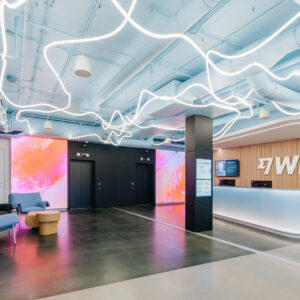
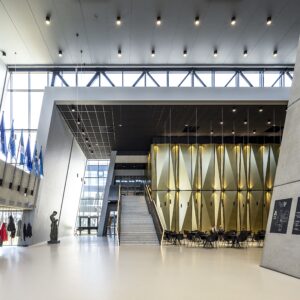
The layout of rooms proceeds from the different entrances to the building, leading to the various departments and services. The foyer by the main entrance links the hospital’s outpatient part and administration; the GP centre, rehabilitative care and emergency room are separate. The patient room wing and gynaecological clinic have their own character and rhythm, while the most frequently visited units – the pharmacy, labs and diagnostic – have a uniform, milder style. The visitor will tend to perceive the distribution between the different zones as smooth transitions rather than emphatic contrasts.