



















The best of the year in architecture or towards a more caring space
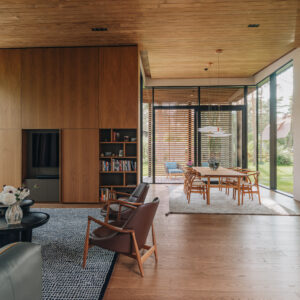
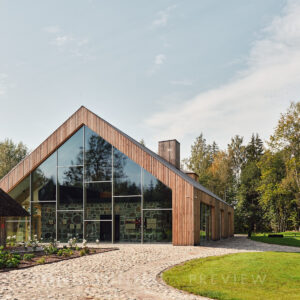
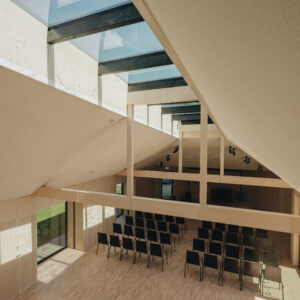
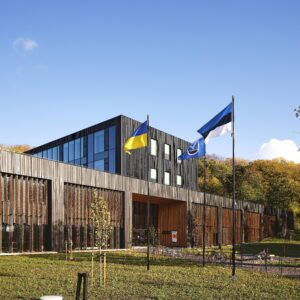
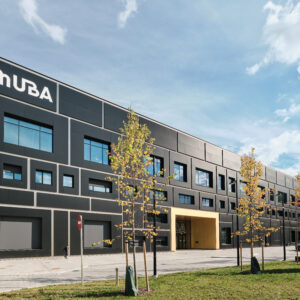
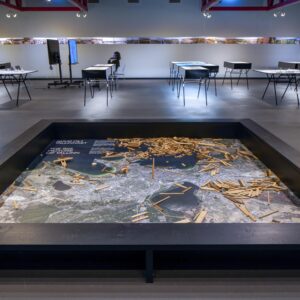
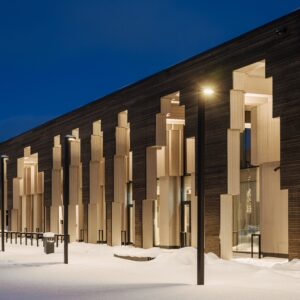
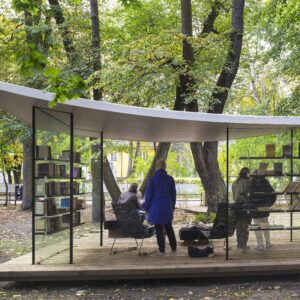
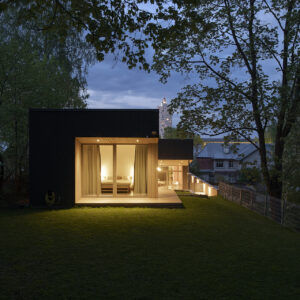
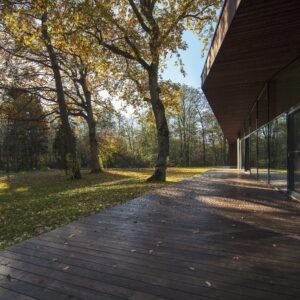
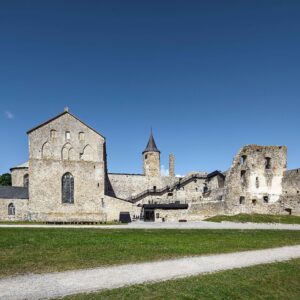
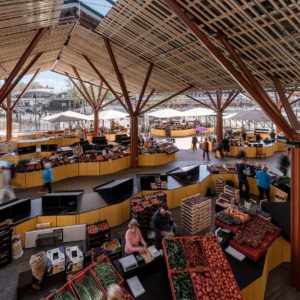
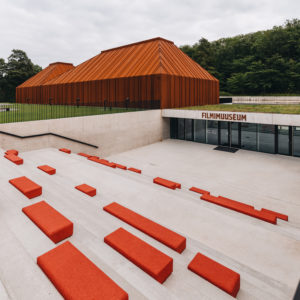
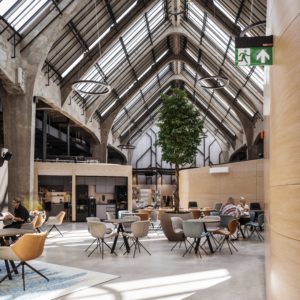
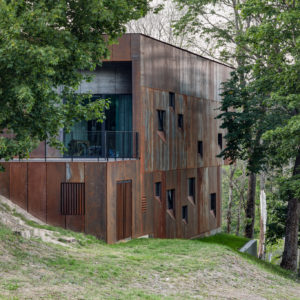
Architecture Award Nominees 2023 is a cross-cut of the top buildings, parks and exhibitions completed between autumn 2022 and late summer this year, so it does not quite cover a full calendar year. Then again, the projects have mostly been built during the corona crisis when the topics of mental health, living environment quality, global disaster and maintaining biodiversity were discussed in the society. Mankind’s irresponsible consumerism that no crisis seems to be able to stop and the ever-increasing carbon footprint that is difficult enough to calculate to conveniently dismiss. “We cannot continue in the old way!” claims the clear message of the Green Tiger Construction Roadmap 2040 giving recommendations for the achievement of climate neutrality, predicting, for instance, declining volumes of new-builds in the next ten years. Where do architects fit in this roadmap, what is their task and when can we, for instance, rework everything we need from the existing material—from the urban stocks, as was effectively illustrated by Laura Linsi and Roland Reemaa’s exhibition of the same name at the Museum of Architecture? As usual, the architecture award nominees tend to be buildings constructed for or supported by the public sector, in other words, they should ideally care for more than only the price. Fittingly, one of the favourite contemporary topics in architecture is care and empathy for the context, users and materials. Architecture that is created with a long-term perspective and is aware of the environmental impact of human activity, that sees itself as a part of a greater interconnected network between man and nature. For instance, timber and urban nature were not nearly as popular keywords ten years ago. In addition to caring, there is responsible aesthetics that is not ashamed of low cost, simple solutions, social sensitivity and small-scale intervention. Houses that do not show off and instead come across as an integral part of their environment as if they had long been needed there. The shift towards a clear and economical form has also been felt in Estonia (at architecture awards in particular), the use of materials has become a manifesto, for instance, the new public buildings seem to be competing for the title of the greatest user of timber.
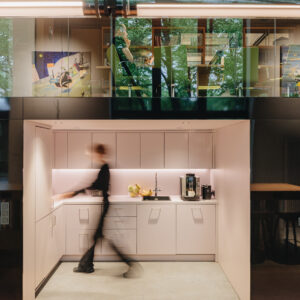
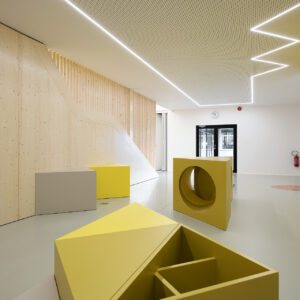
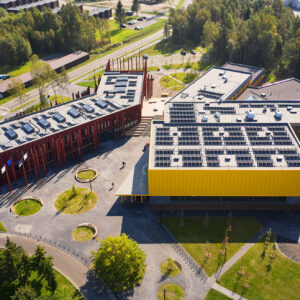
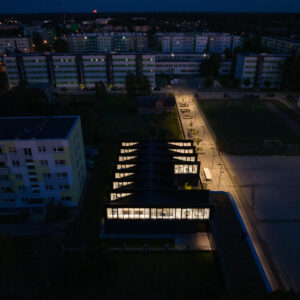
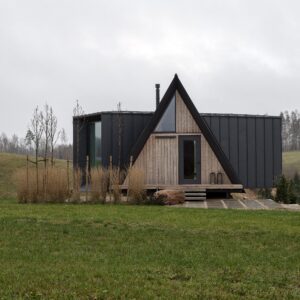
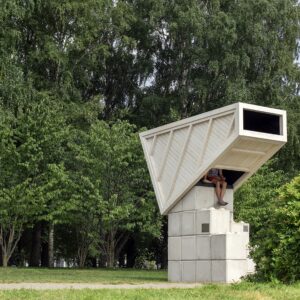
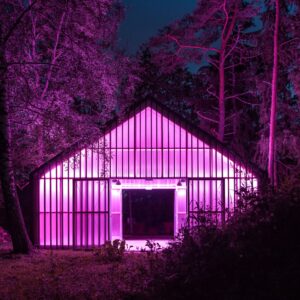
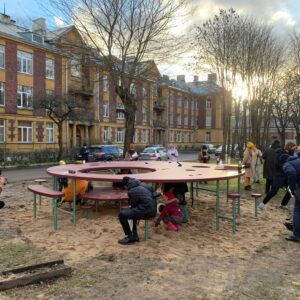
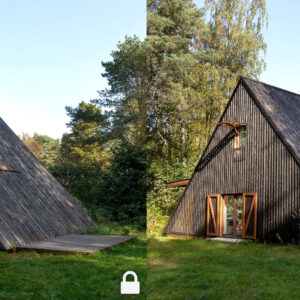
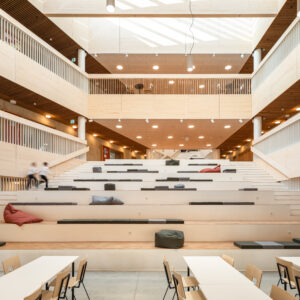
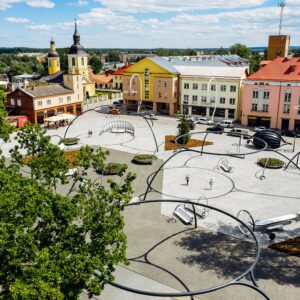
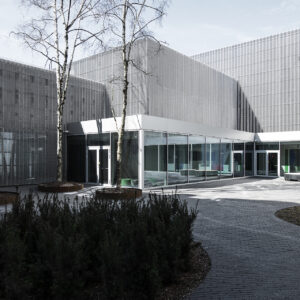
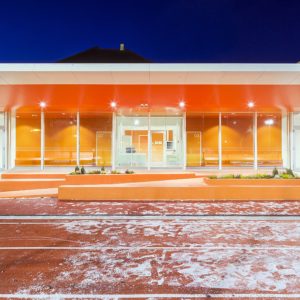
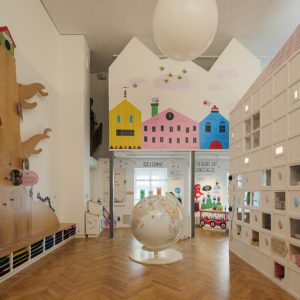
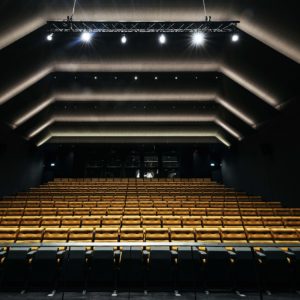
So what is built and who is cared for? The overall picture of architecture awards does not show a decline in construction yet, although the number of nominees is not high. A look outside the book confirms the continuing pace―the cranes are up, with mostly upscale real estate built in the city and less expensive warehouses and residential buildings in the hinterland, nothing much in rural areas. The keywords are the same that have long been criticised in urban design: motorisation, suburbanisation, segregation, emptying city centres. On closer inspection, the nominated projects tend to defy the above: they deal with the context and environmental issues, represent smaller scales and local solutions, densify city centres and promote the common good. They do not succumb to the market pressure to be profitable, productised, gentrified and aggressively spectacular. I genuinely like the pink art hall attracting new audiences in a socially challenging city district or the modern retirement home at the far end of Saaremaa. Not to mention the new secondary schools or the minihouses asking for the maximum minimum, also the landscape solutions, including one for exotic animals!
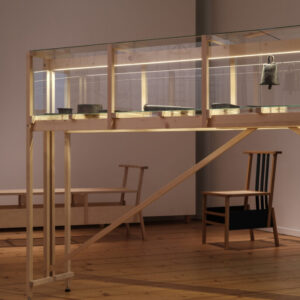
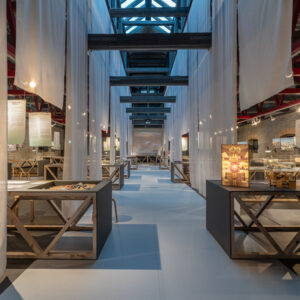
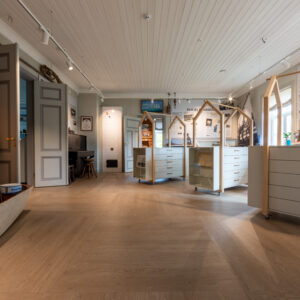
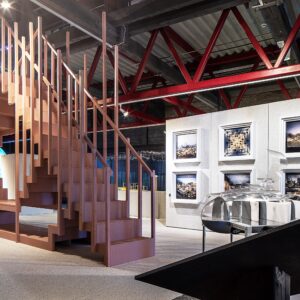
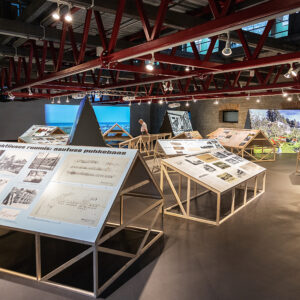
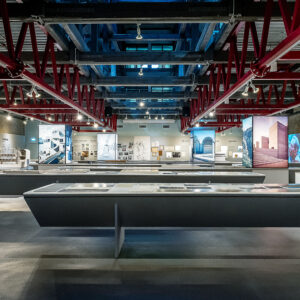
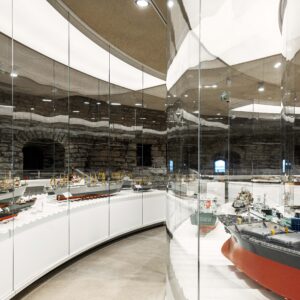
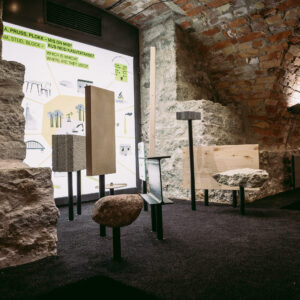
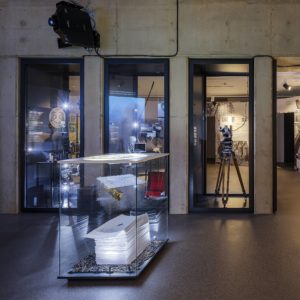
Architecture is always future-oriented and this year’s crop included two exhibitions with one exploring future predictions almost half a century ago and the other suggesting future trends we could dream about today. Actually also a third exhibition dealt with the future of homes but is not unfortunately listed among the nominees―the Estonian pavilion designed as a non-exhibition at the Venice Biennale by architecture office b210 was sharp, personal as well as playful. It is perhaps also symptomatic that Toomas Paaver received his award not for his buildings but for his civic initiative activity demanding better public spaces. And most of these public spaces are actually streets―for instance, this summer everyone was part of a mighty spatial installation, that is, the dug-up city centre of Tallinn, allowing us to experience how radically our spatial experience is modified by the disappearance of cars and asphalt. What if the entire city centre was like the recently opened Vana-Kalamaja Street? Or if we all had our own local pink pavilion, a different type of space that does force consumption but creates new values? So that we would all have a home in the first place―why has it become an unattainable real estate object? Awards, as we know, are merely tools to draw attention to problems rather than finding solutions to them, yet, there are several new threads branching out from this catalogue.
Triin Ojari
Editor