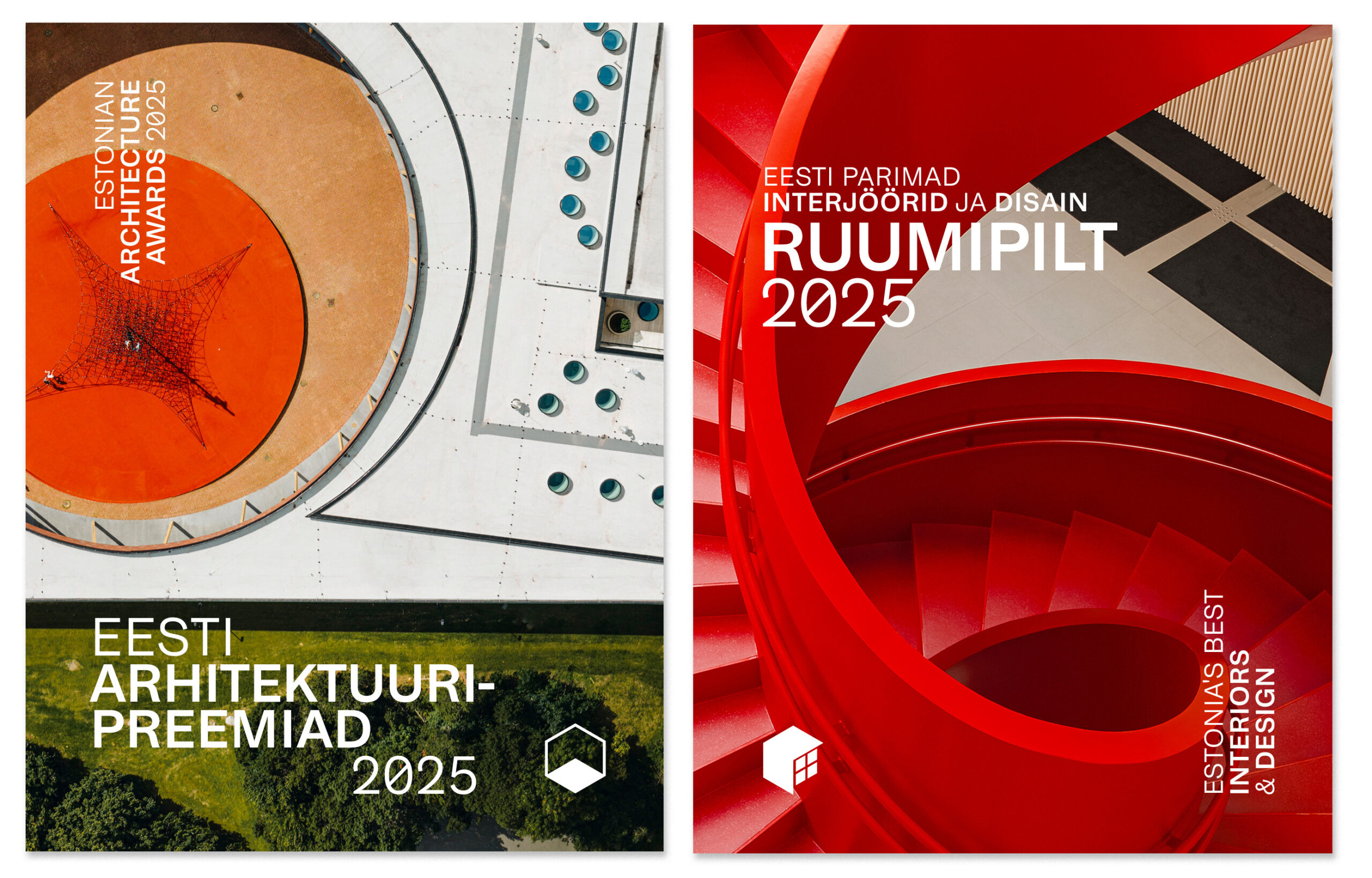









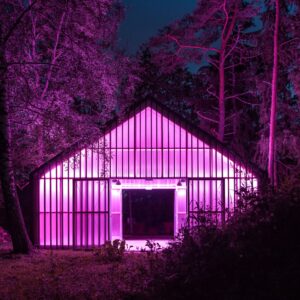
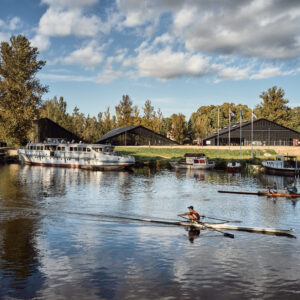
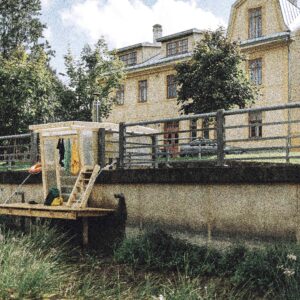
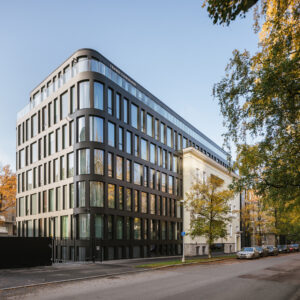
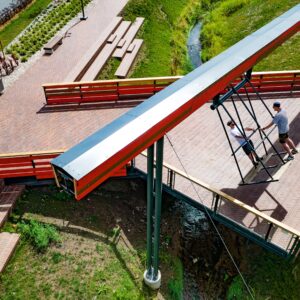
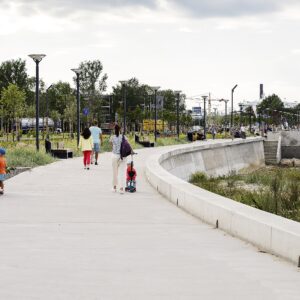
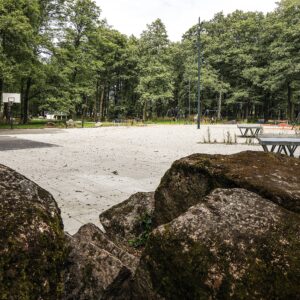
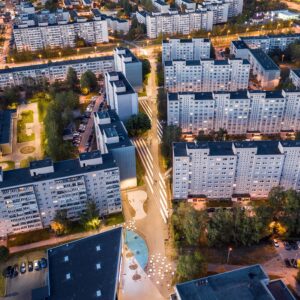
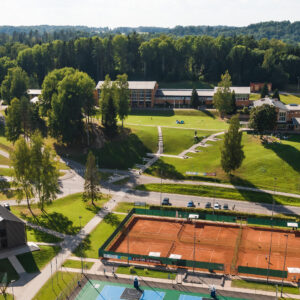
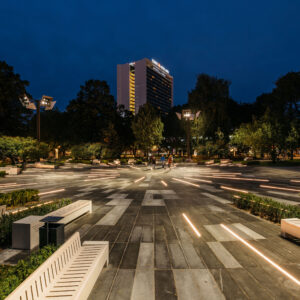
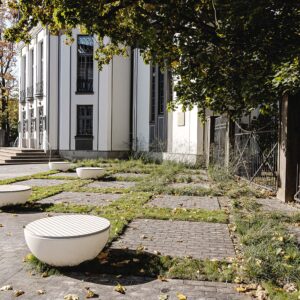
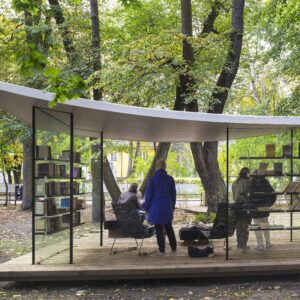
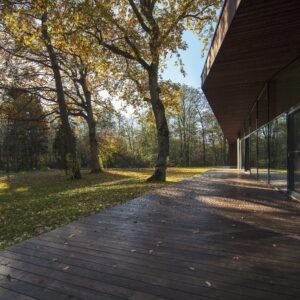
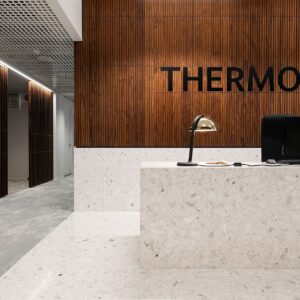
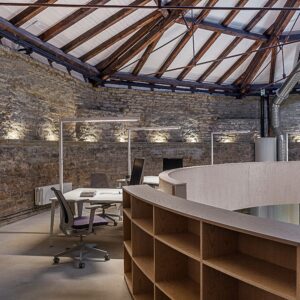
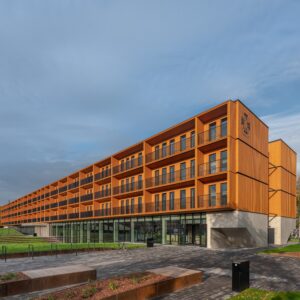
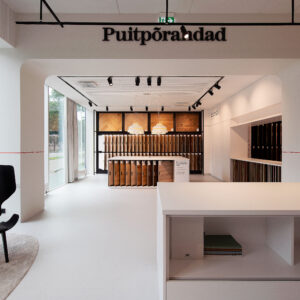
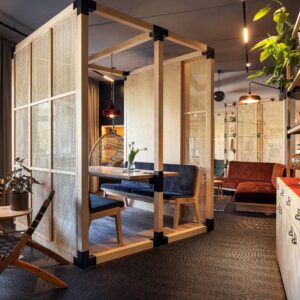
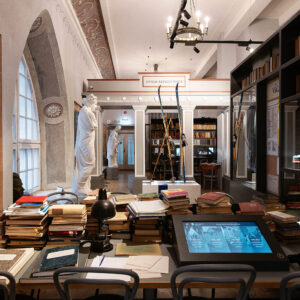
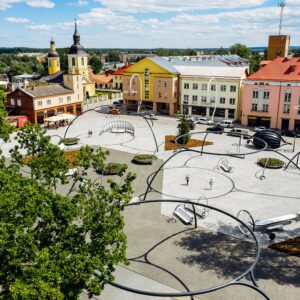
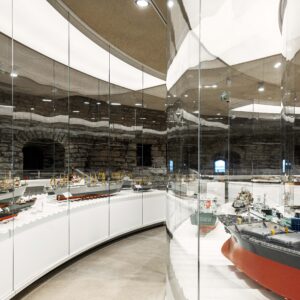
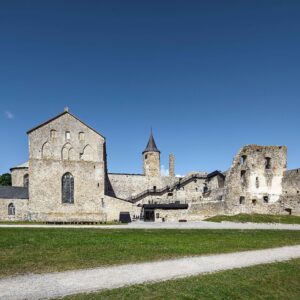
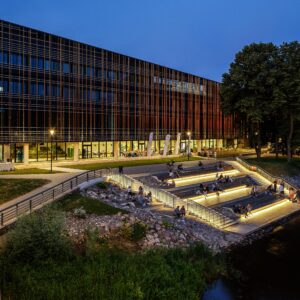
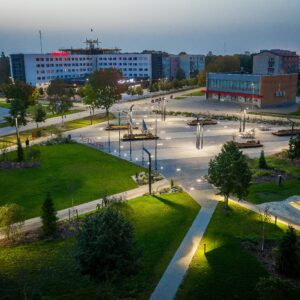
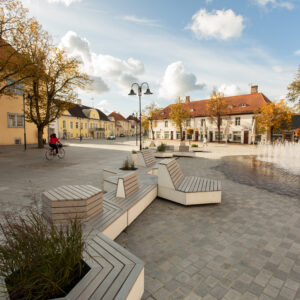
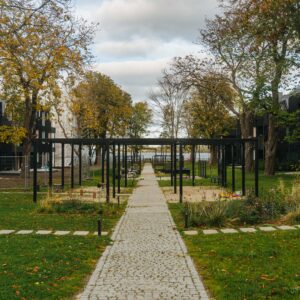
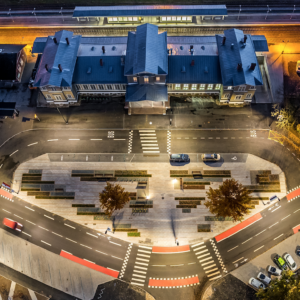
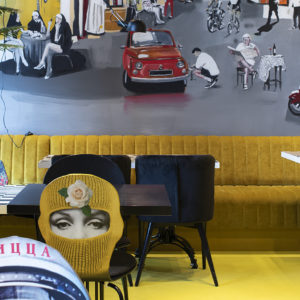
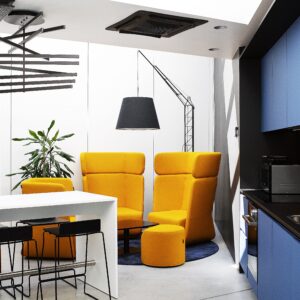
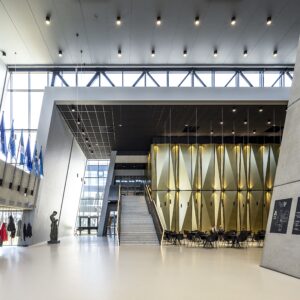
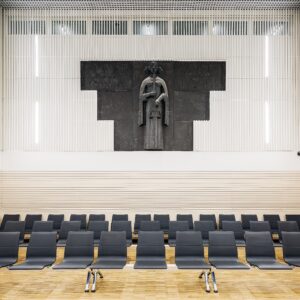
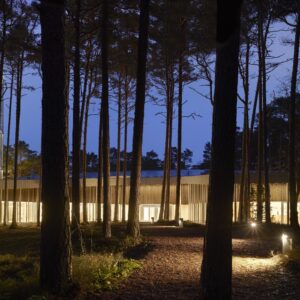
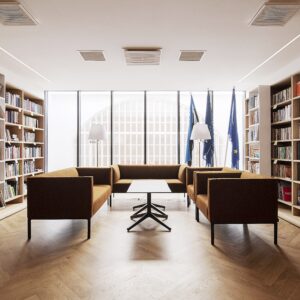
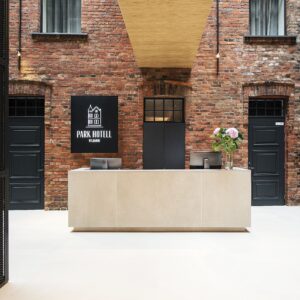
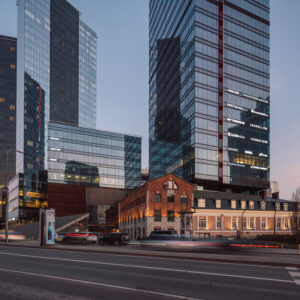
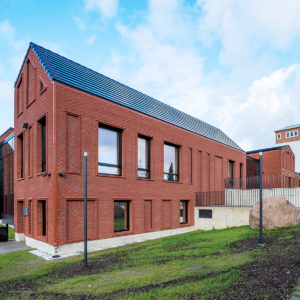


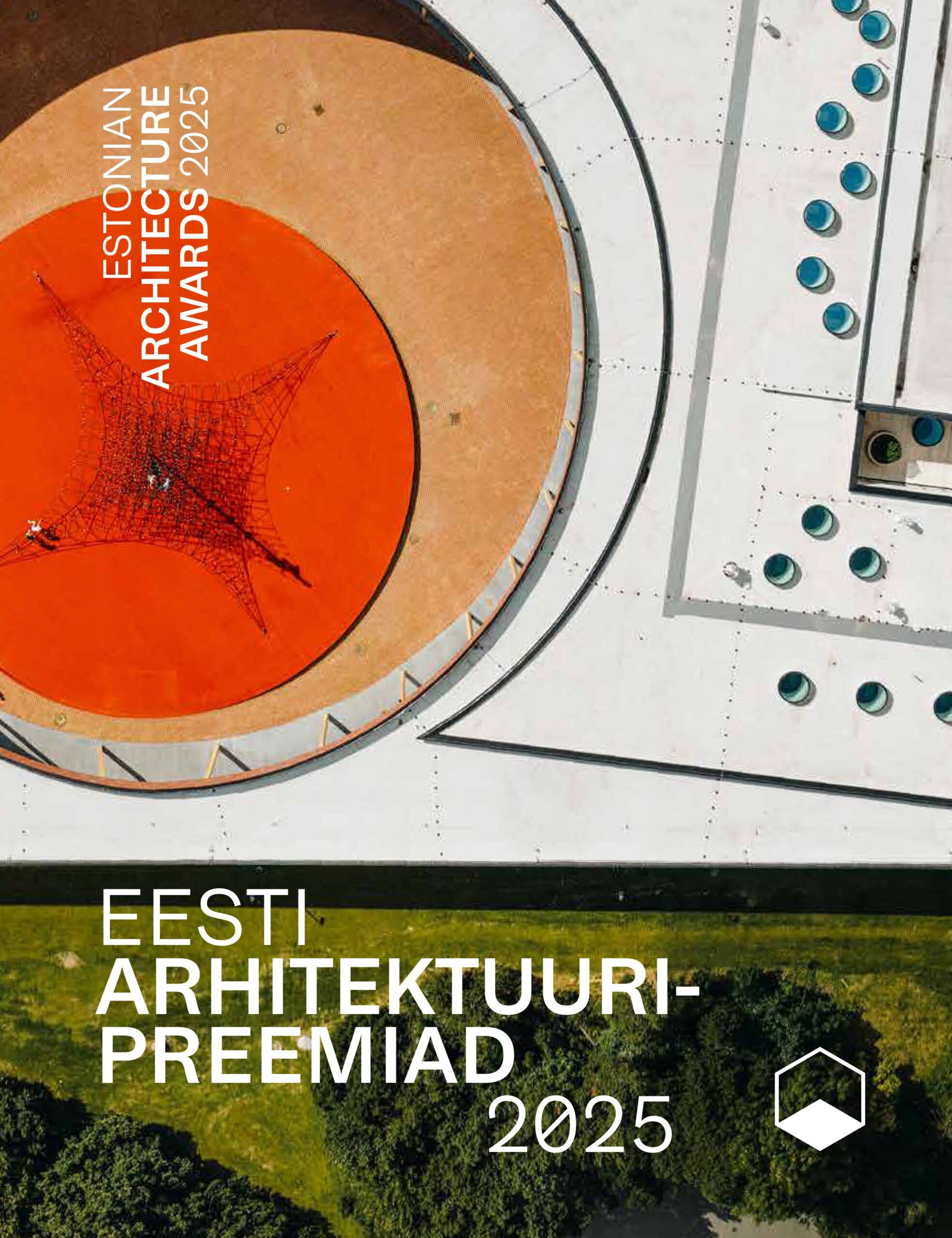
The Architecture Awards Yearbook 2025 features the best examples of public buildings, landscape architecture, residential buildings and other activities in the field of architecture. All works have been carefully filtered by the juries of the Estonian Cultural Endowment, the Estonian Association of Architects and the Estonian Association of Landscape Architects and provide a good overview of the current state of professional architectural culture in Estonia.
Introduction
Insistence on High-Quality Space
The book of architecture awards brings together the best works of 2025, selected by the juries of the professional associations of architects and landscape architects and the Endowment for Architecture of the Estonian Cultural Endowment. The picture we see does not claim to provide an overview of the current architecture scene, and it would definitely be different with different nominees and juries.
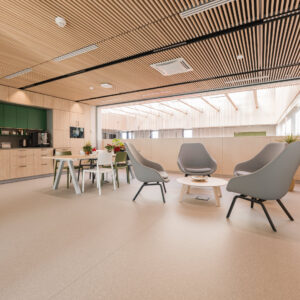
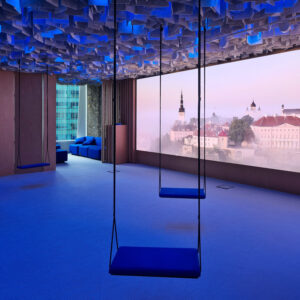
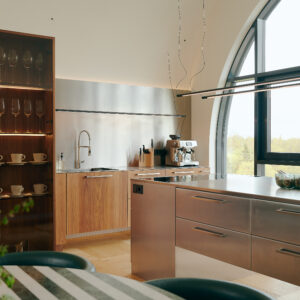
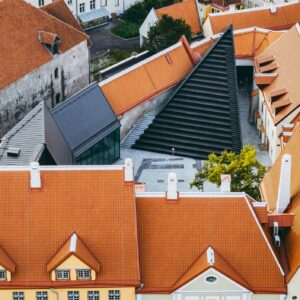
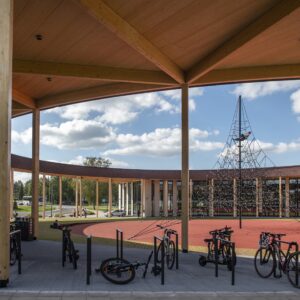
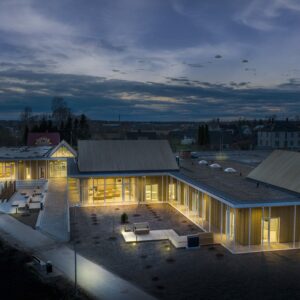
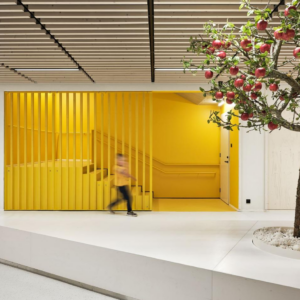
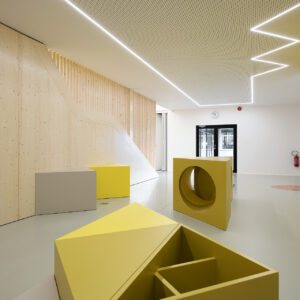
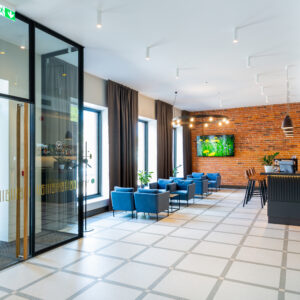
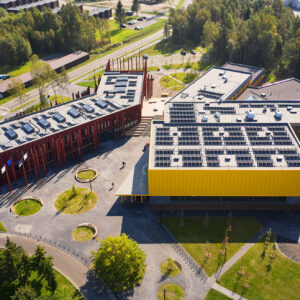
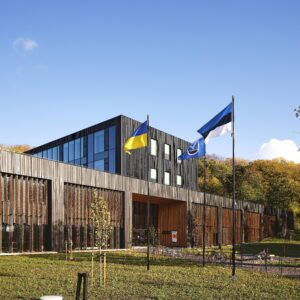
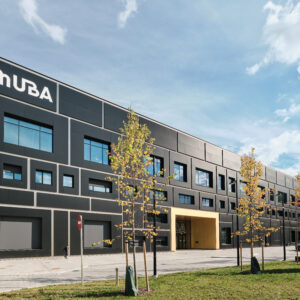
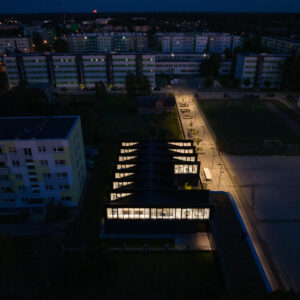
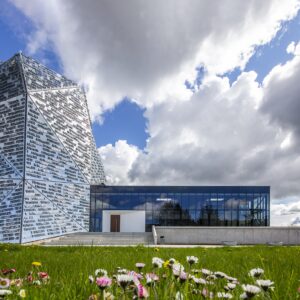
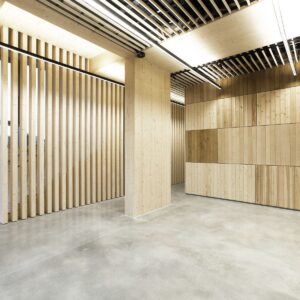
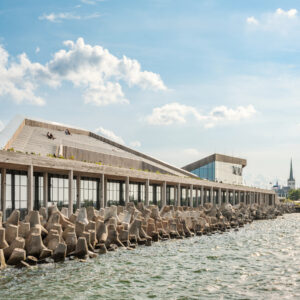
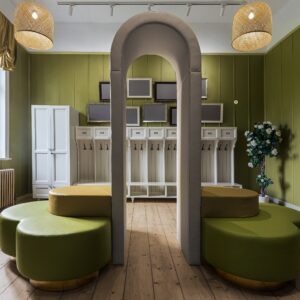
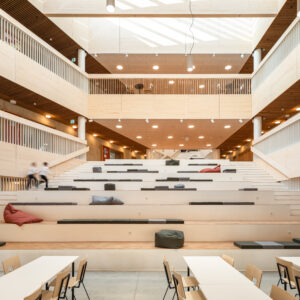
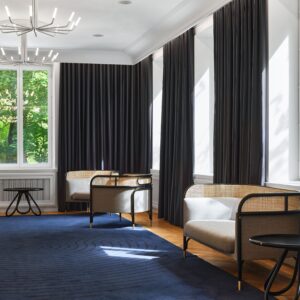
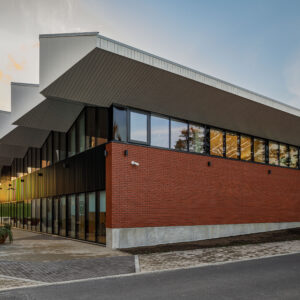
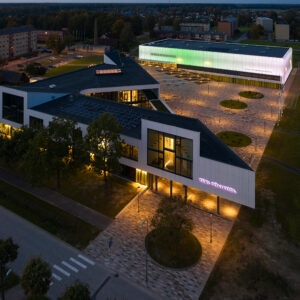
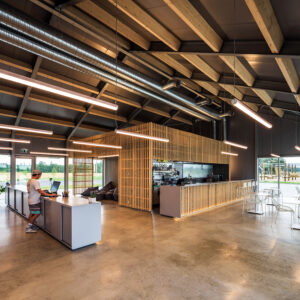
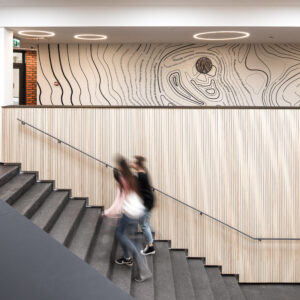
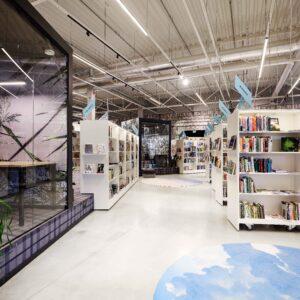
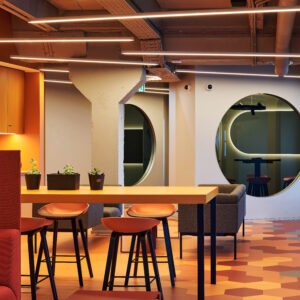
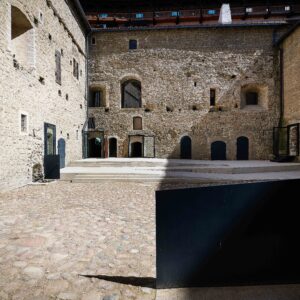
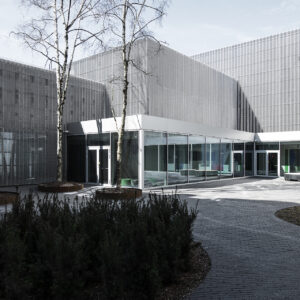
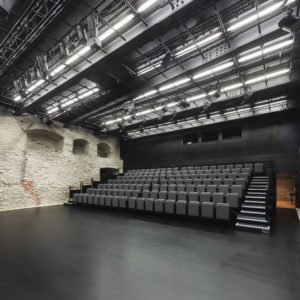
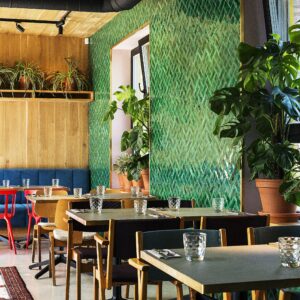
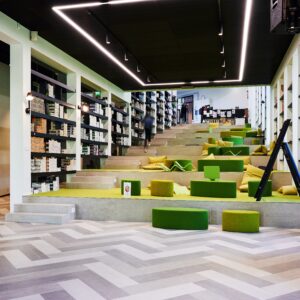
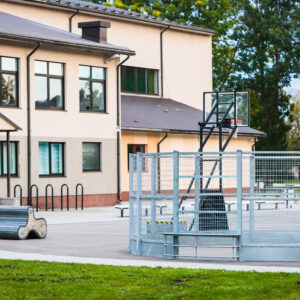
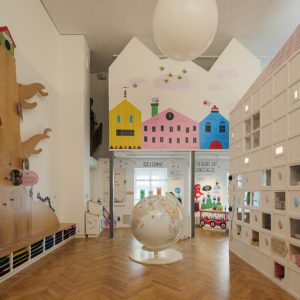
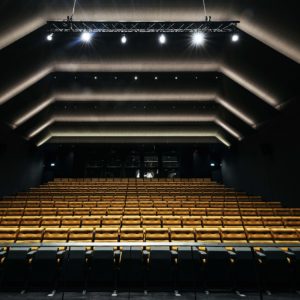
The grand prize this year was awarded to Salto for two exceptionally clever buildings. Situated in a sparse environment, the basic school and sports building of Saku Secondary School inevitably become focal points, but that’s not the main point. The key idea is to make the space interesting but logistically clear, placing the ballcourt with glass walls in the middle of the building with a perfectly circular courtyard in front of it – a shape that in itself provides a sense of security. The best building of the year also includes the best interior of the year – the school interior by Pille Lausmäe’s office is bright, timeless and well considered to the smallest detail. The school in Saku marks the triumph of new high-quality school architecture in Estonia in the past decade and could be considered the most successful outcome of the local architectural policy. The new building of Tallinn City Theatre in the heart of the Old Town is a unique project in every way, as constructing underground in the medieval centre and the building itself are both unique phenomena that will not be repeated any time soon.
Let’s hope that Tallinn, which so far has been a rather modest contracting authority, will continue to organize architecture competitions for public buildings.
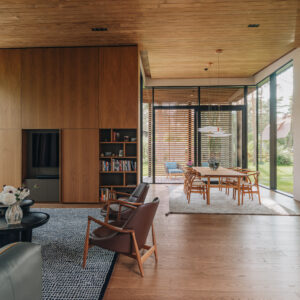
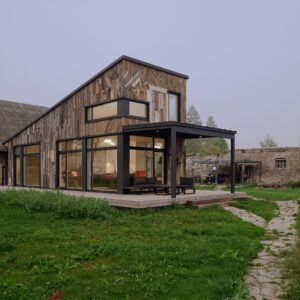
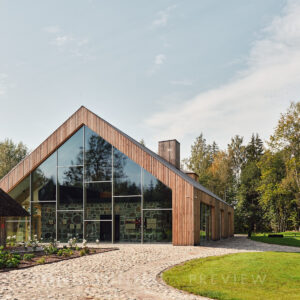
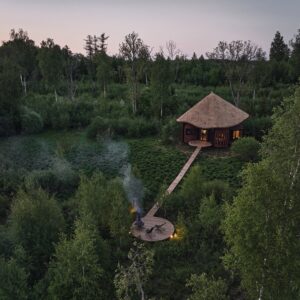
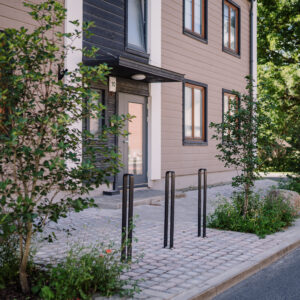
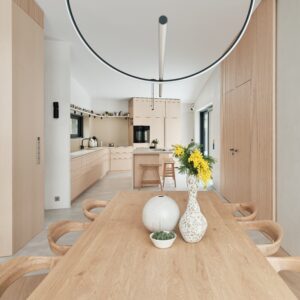
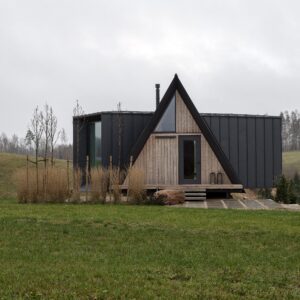
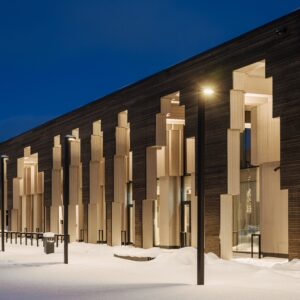
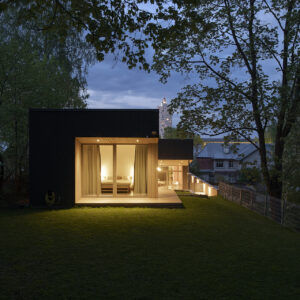
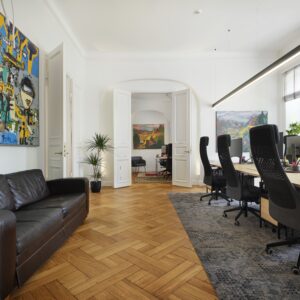
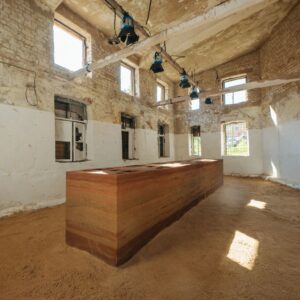
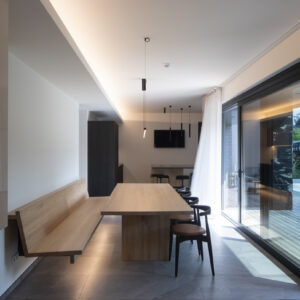
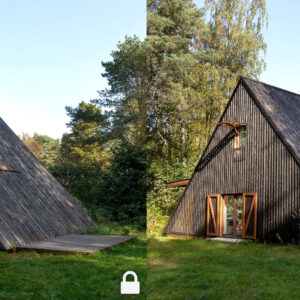
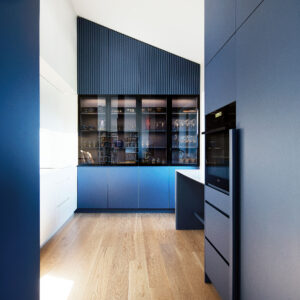
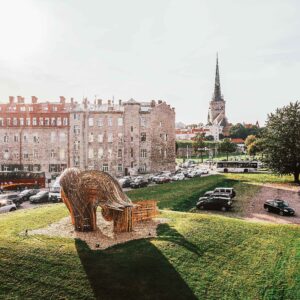
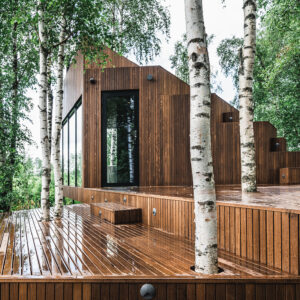
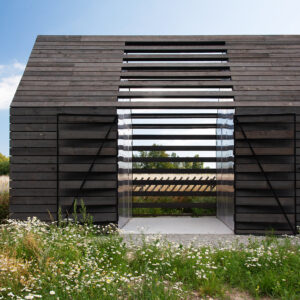
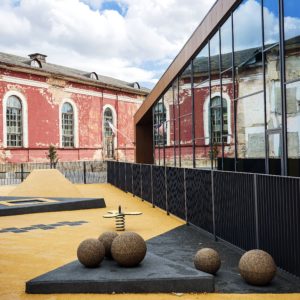
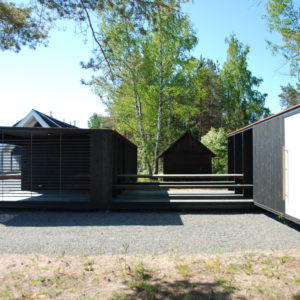
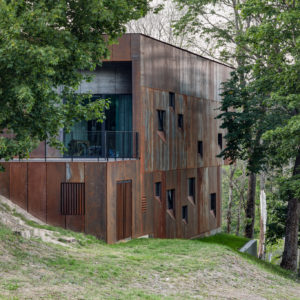
Since the Association of Architects organizes the best residential building competition every other year, this year’s selection also includes some summerhouses – as expected, made of wood, away from the city noise, places to enjoy the views and oneself. An interesting space-in-space symbiosis is featured in the Ex’s Box by KTA, with its wild-looking façade blending in with the walls of the half-ruined cattle shed of Pada Manor. The winning entry, however, is a small townhouse by ABMA Architects in a small yard in Tartu. The architects built a home for themselves out of a former garage, the result is compact, spatially diverse and charming in its unpretentiousness.
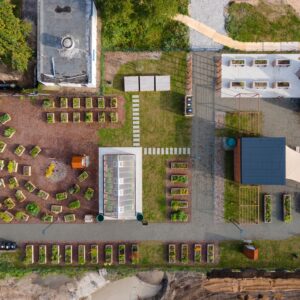
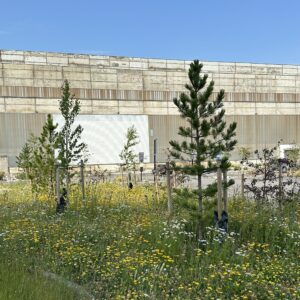
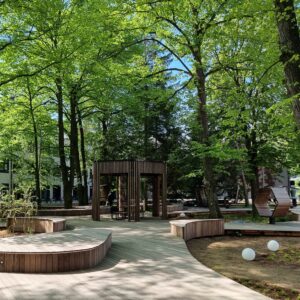
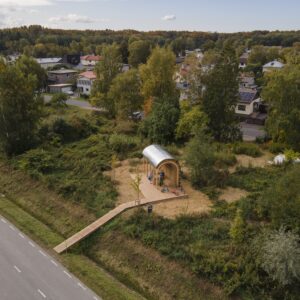
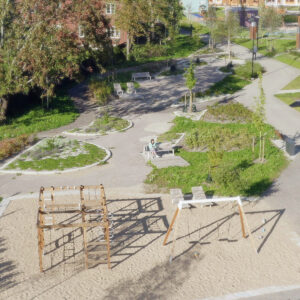
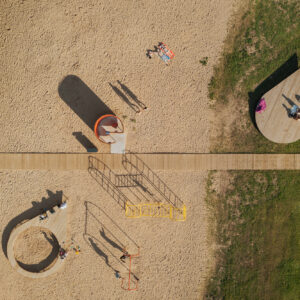
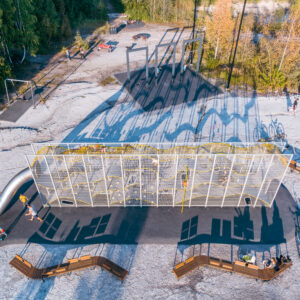
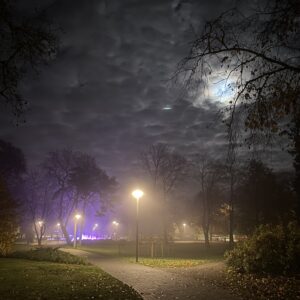
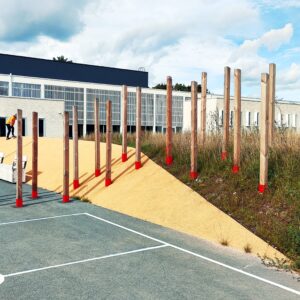
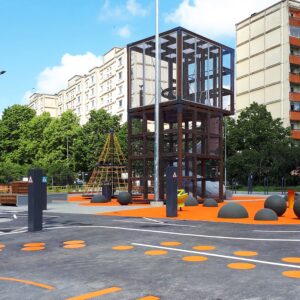
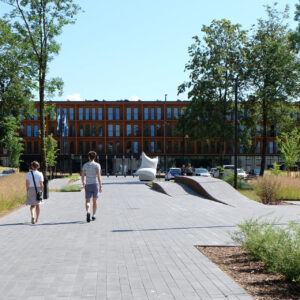
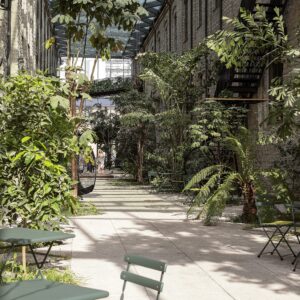
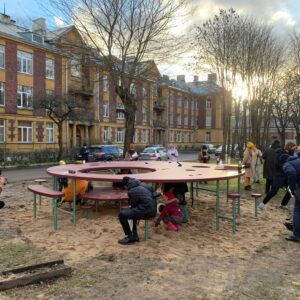
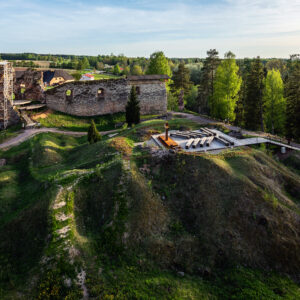
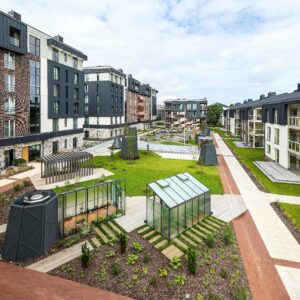
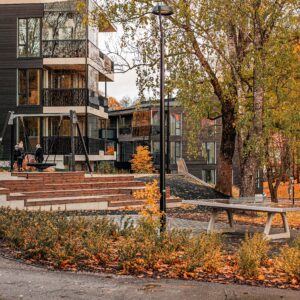
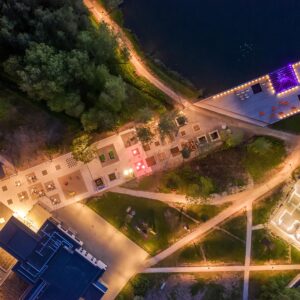
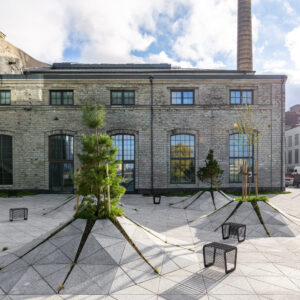
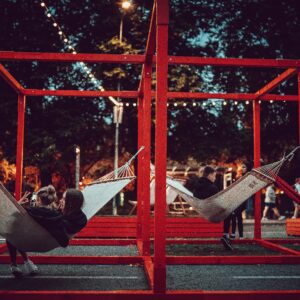
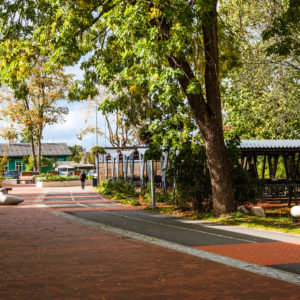
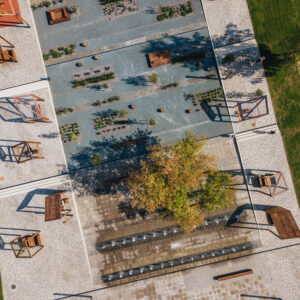
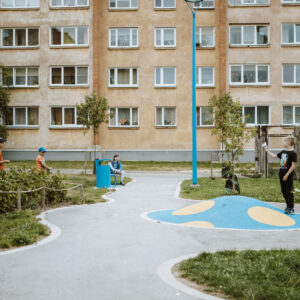
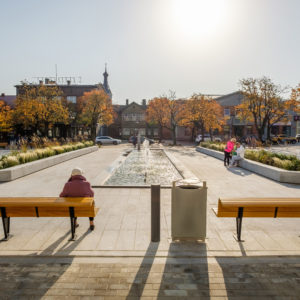
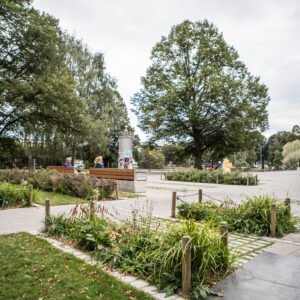
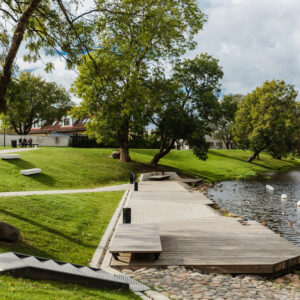
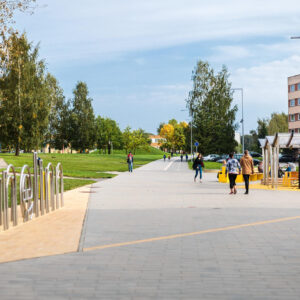
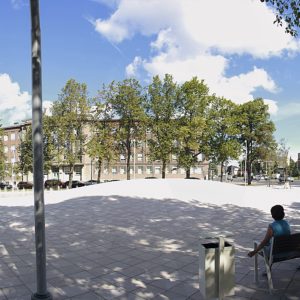
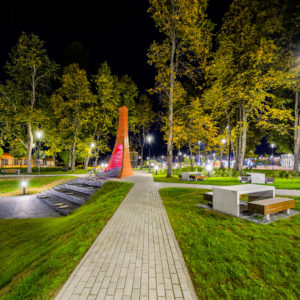
Landscape architecture also continues to triumph, or rather, it is becoming an increasingly standard part of every development. The garden of Pelgulinna Secondary School, Pelgulinna Community Garden and temporary parking lot in Ülemiste City are sufficiently different to illustrate the wide scope of landscape architecture.
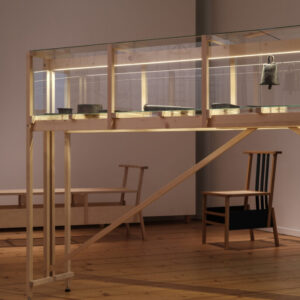
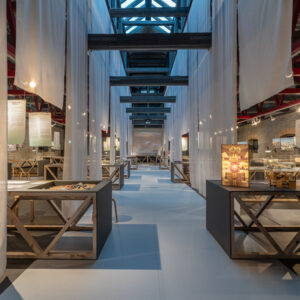
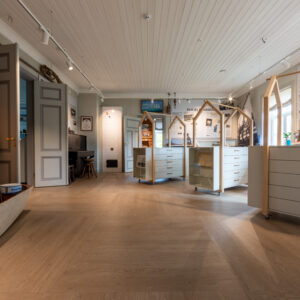
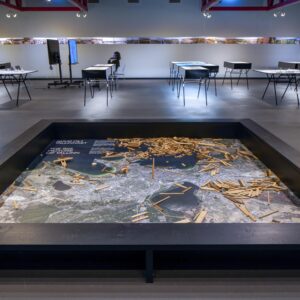
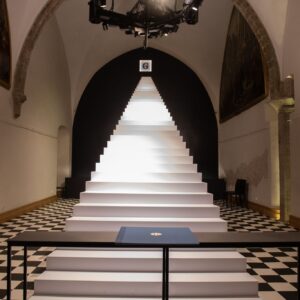
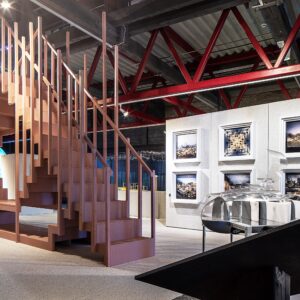
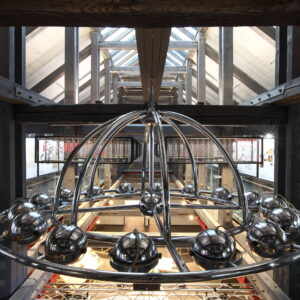
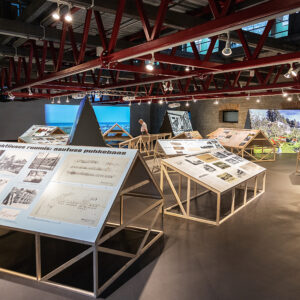
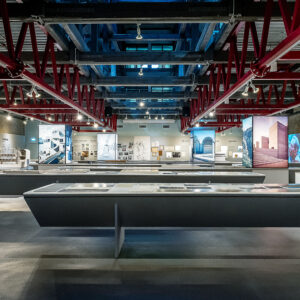
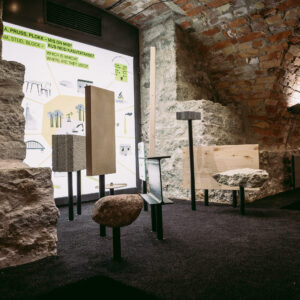
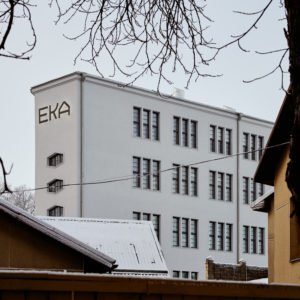
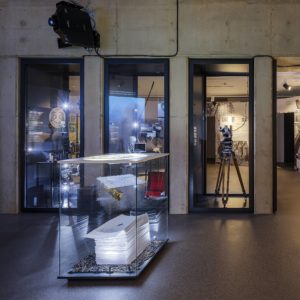
The architectural residency Vares in Valga was recognized for their work with spatial culture at large and outside the usual “power structures” such as client, official or contractor. Exhibitions are marked by the contribution of young practitioners – the authors of the Estonian pavilion at the Venice Biennal as well as the silicate brick exhibition at EKA Gallery are architects who graduated in early 2020s, with their beliefs shaped by the climate crisis, uncertain times and the idea of the circular economy. The exhibition curated by Grete Tiigiste on the Olympic buildings in Tallinn is an attractive material for an exposition, as this grandiose and exciting phase in our recent history has not been considered as a separate phenomenon in architectural research. The exhibition on Bruno Tomberg curated by Kai Lobjakas is an overview of the works of the father figure of local design history who was not only active in the design practice but also tried to conceptualise the activities and thus invent design. A modernist who believed that design could help to shape one’s way of life and thinking. In a way, this belief has not dissolved, the best examples of architecture gathered here should similarly shape our desires and behaviour, make us insist on a better urban space and environment as well as the elements constituting them.
Triin Ojari
Editor