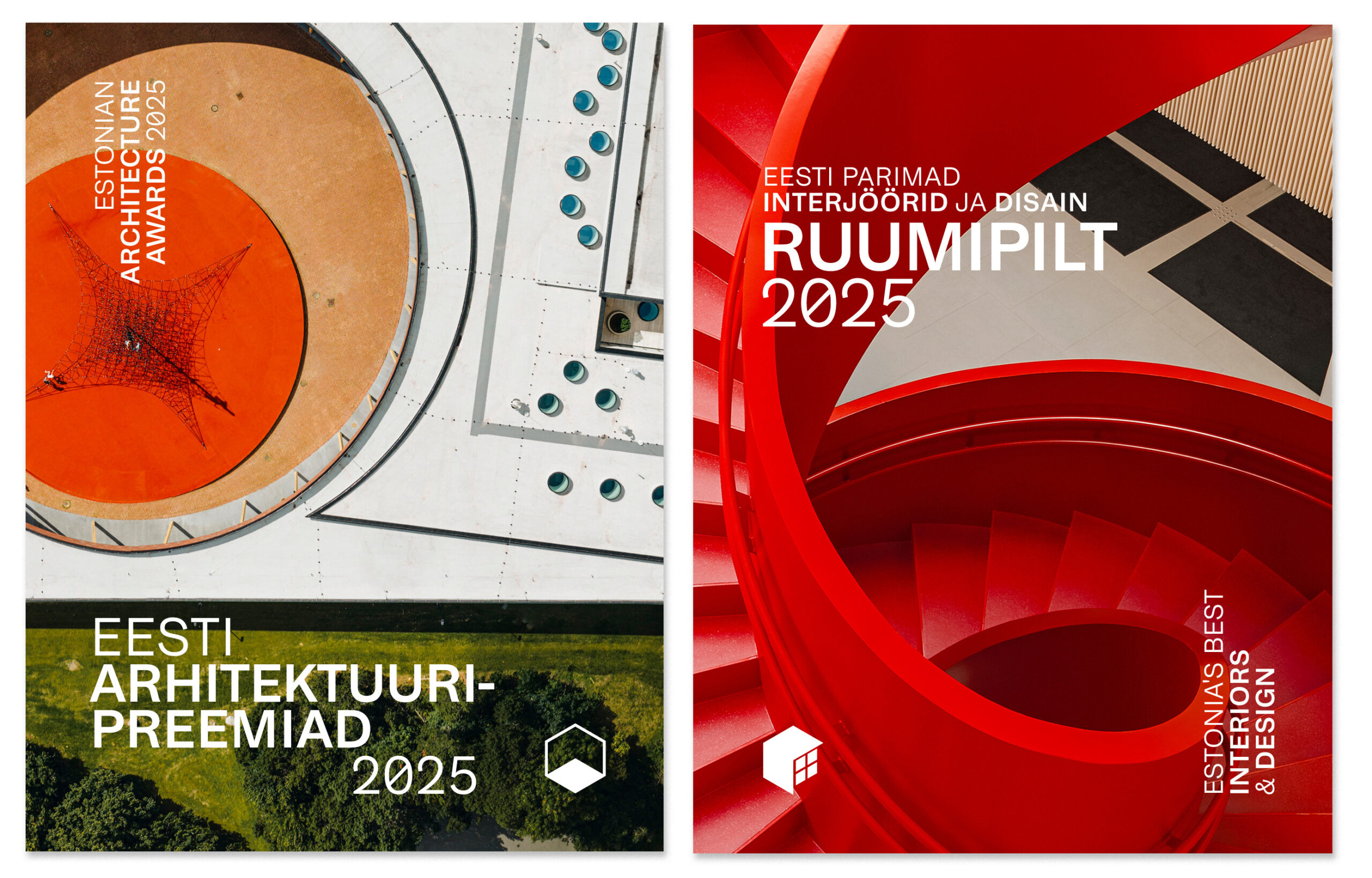

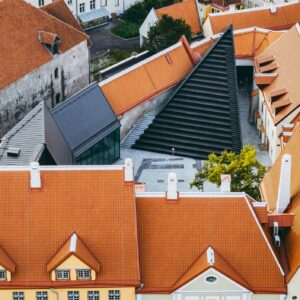
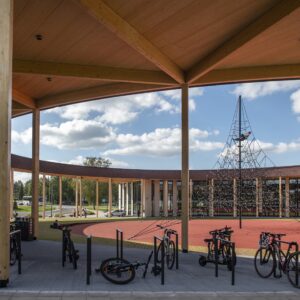
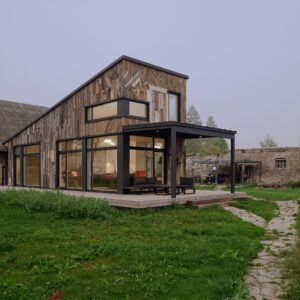
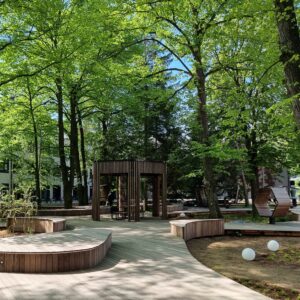









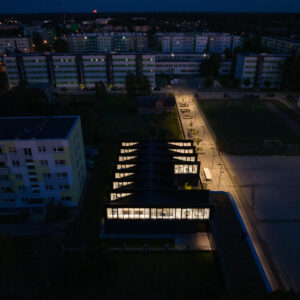
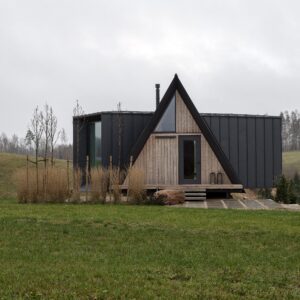
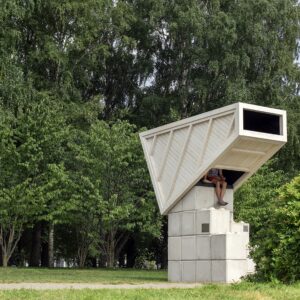
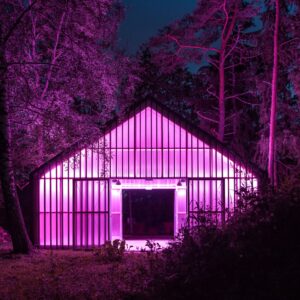
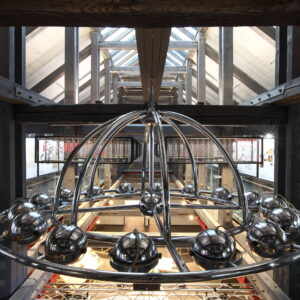
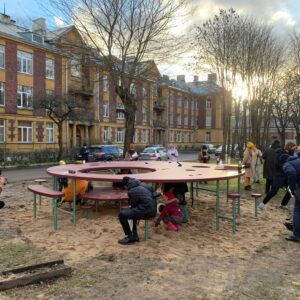
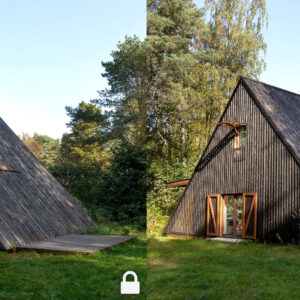
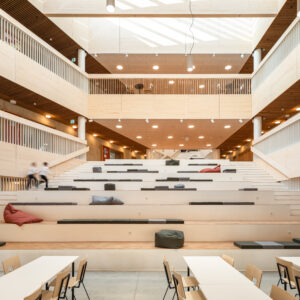
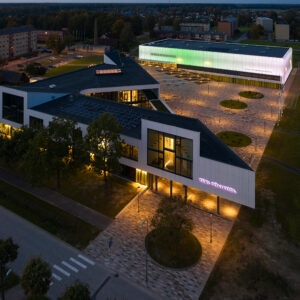
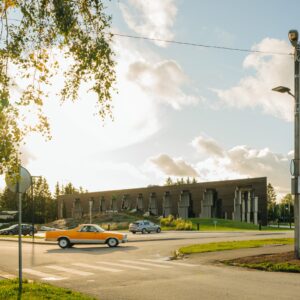
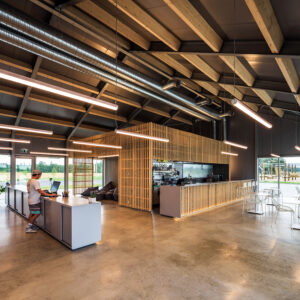
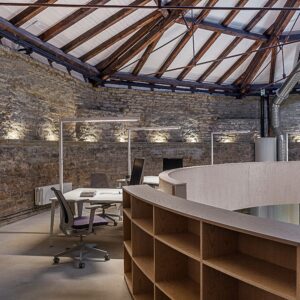
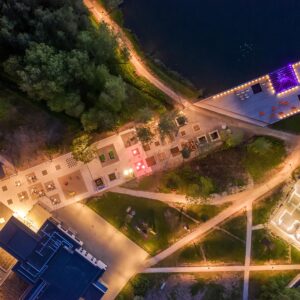
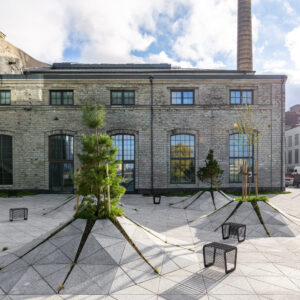
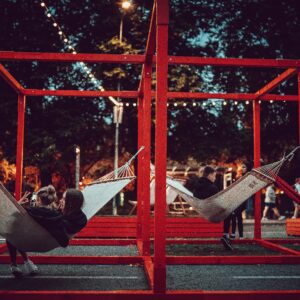
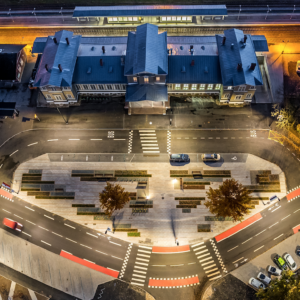
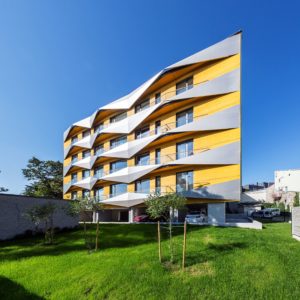
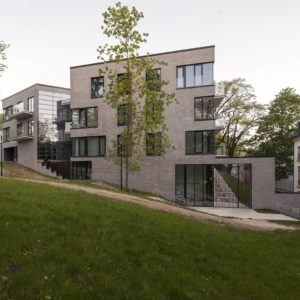
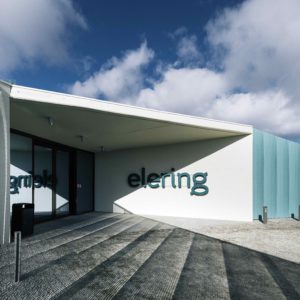
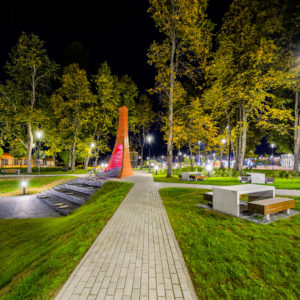
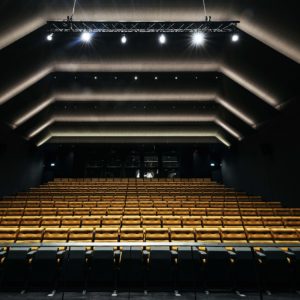
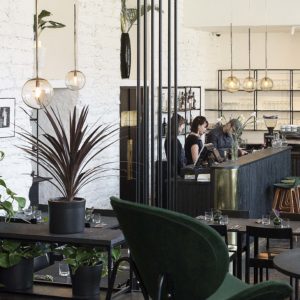
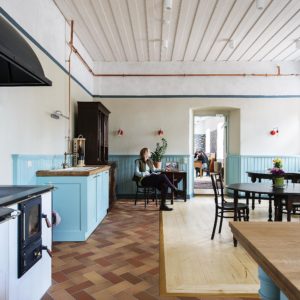
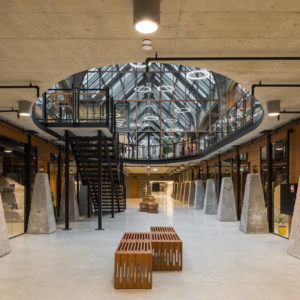


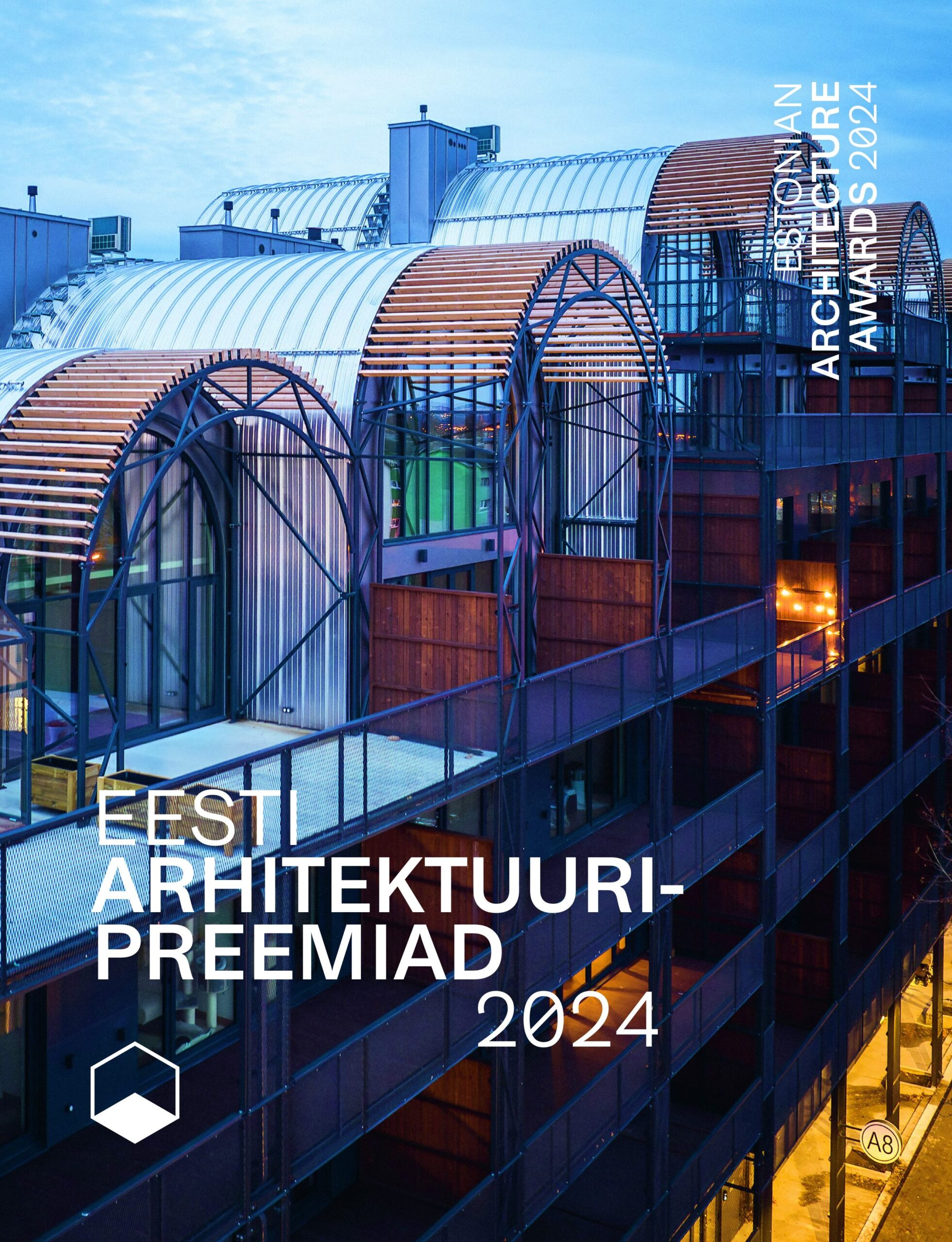
The Architecture Awards Yearbook 2024 features the best examples of public buildings, landscape architecture, small forms and other activities in the field of architecture. All works have been carefully filtered by the juries of the Estonian Cultural Endowment, the Estonian Association of Architects and the Estonian Association of Landscape Architects and provide a good overview of the current state of professional architectural culture in Estonia
Introduction
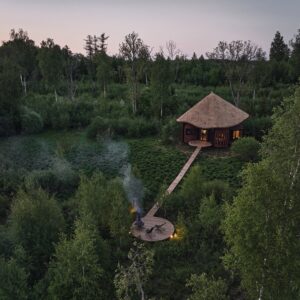
A place to live, relax, sing, take a sauna and drink sparkling wine
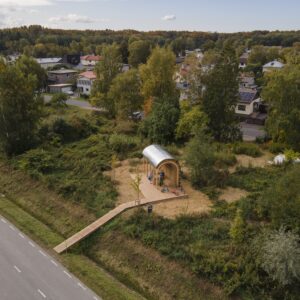
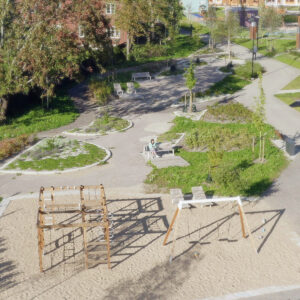
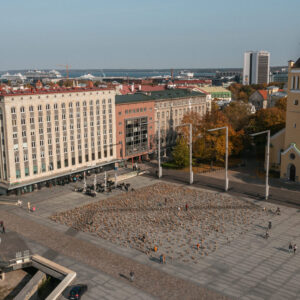
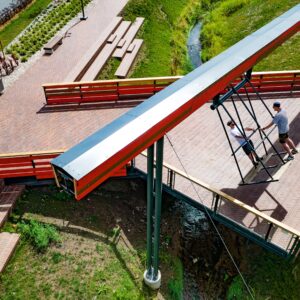
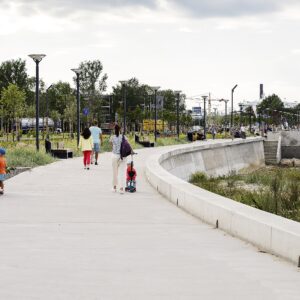
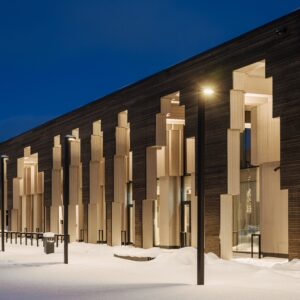
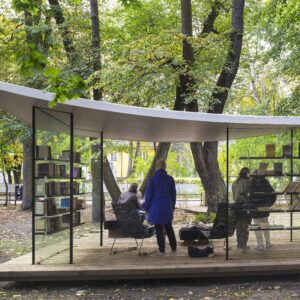
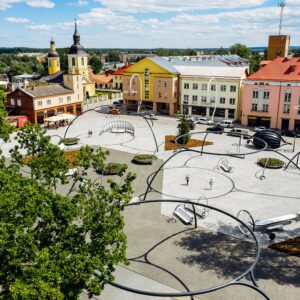
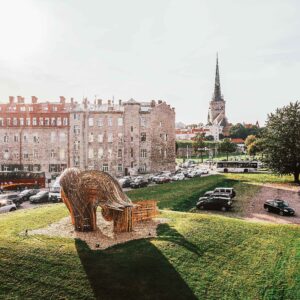
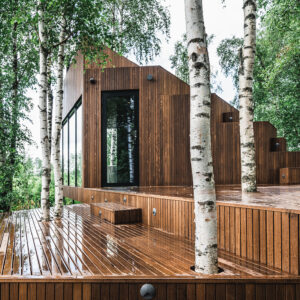
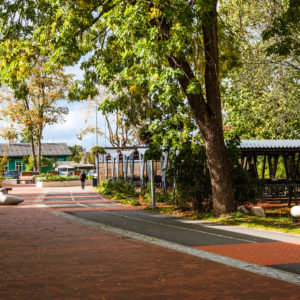
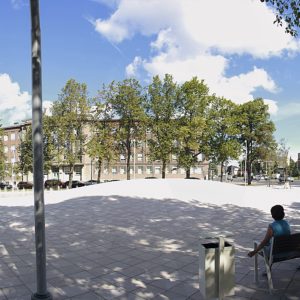
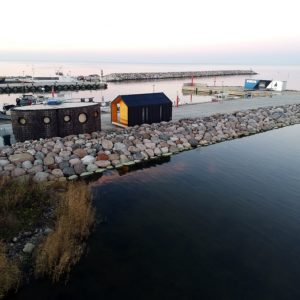
When looking at the nominees, we may say that it was a year of schools and public spaces –the latter here stands for a variety of projects starting from Vana-Kalamaja Street up to the curated biodiversity virus spreading in the green areas of Tartu (metaphorically speaking, of course, but I’m sure we have all used the word in the past few years!). Various mini-projects act as tactical interventions in the public space – pavilions made of straw, eelgrass and other natural materials as well as the new iconic building of community architecture, Logi sauna in the wasteland near the City Hall. Soft and impermanent values disregarding the formal aesthetics, projects that do not wish to be “strong” or “soloists” in the traditional sense.
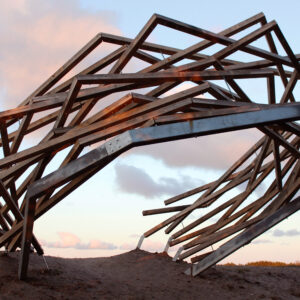
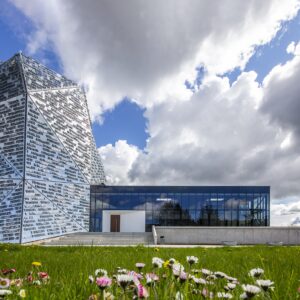
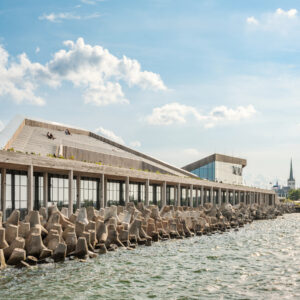
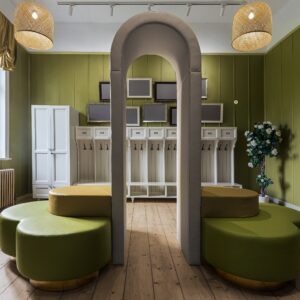
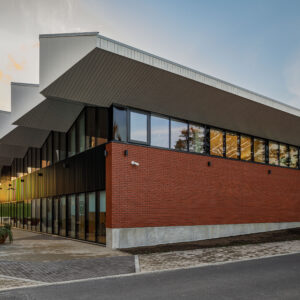
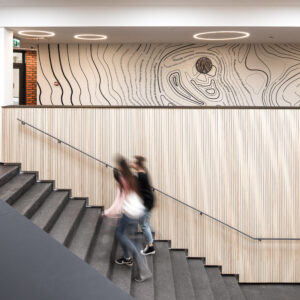
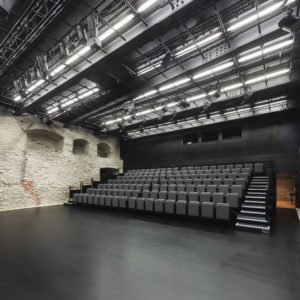
With all this year’s prizewinners, the juries have stressed the social relevance and influential role of architecture, the selected landscapes and buildings aim at enriching the public space and giving it new forms of expression. The well-known typologies –school, street or stage–are reconsidered from the user perspective to make people interact with each other and feel comfortable. Singers can be arranged on the stage in different ways, the street must safely accommodate a variety of road users and the school building must be a place where young people want to be. In this context, good architecture is an instrument to accomplish something, sometimes a catalyst, sometimes an opportunity to be surprised. Indeed, why can’t the song festival grounds look like a toothy clam? Or why shouldn’t women build a sauna in an urban brushwood? Could the school hall be turned into a living room?
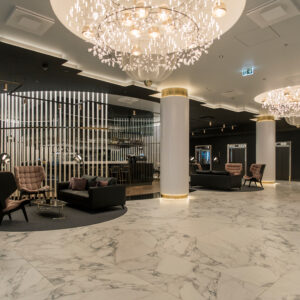
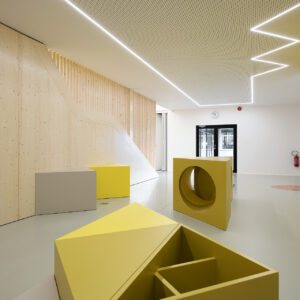
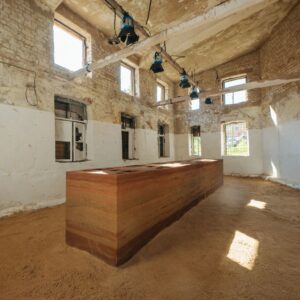
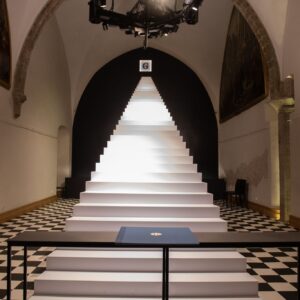
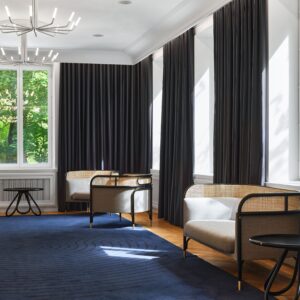
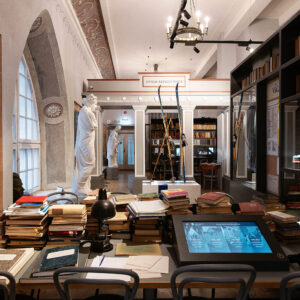
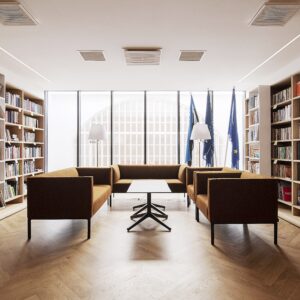
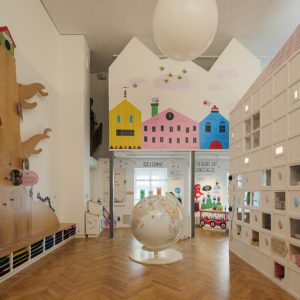
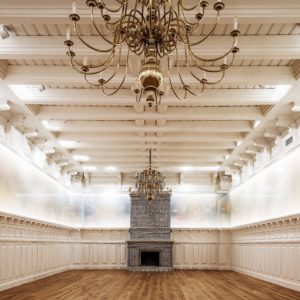
This year, architecture is featured also as an educational integration tool – if there has been no reason to talk about Narva since the college building was completed more than ten years ago, then now there are altogether two new schools and a kindergarten. The restoration project of the year is the Estonian Knighthood House in Toompea. Although the legacy of Baltic German colonialism may be interpreted here in many ways, the state now has a representative building of constrained luxury and glasses will no doubt clink stunningly below all the chandeliers.
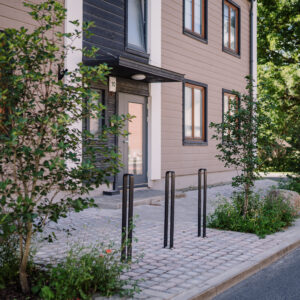
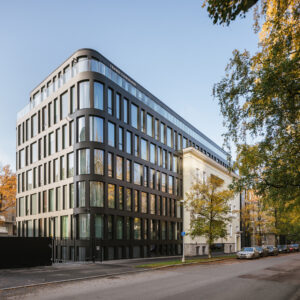
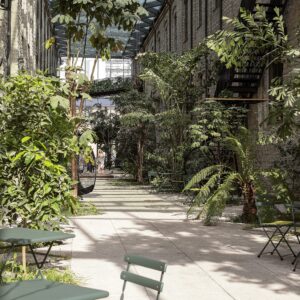
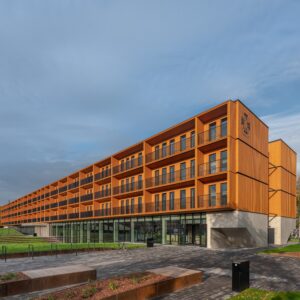
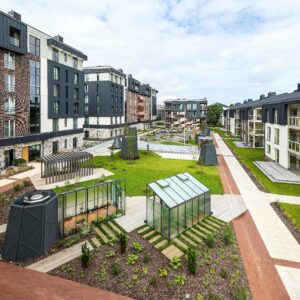
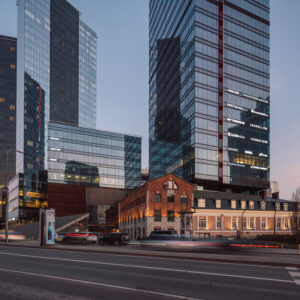
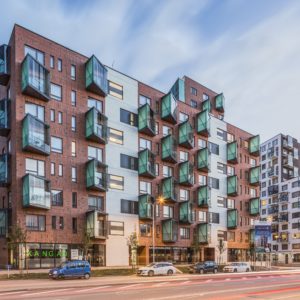
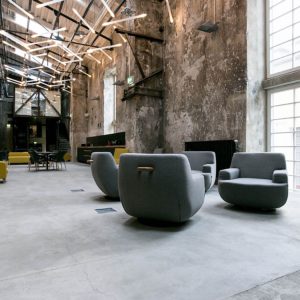
Giving an award to an apartment building is equally exceptional, as despite being the most important produce of real estate development in the past 20 years, in terms of design and layout it has remained a mere market product with no real risks taken to renew it. Of course, it also comes down to the relations of the private and public sectors, for whom and how we build. The apartment building at 8 Ankru Street in the booming district feeds on the rebirth of the local industrial ambience while also illustrating the possibility of substantial innovation in the form of numerous communal areas for its residents. The super building cannot be called affordable housing, however, the idea of communal spaces does bear a similarity to the cooperative housing popular in German culture. The concept of togetherness is one of the buzzwords of the age that will probably be soon adopted by all developers, it is the guiding principle in all new local government public space projects and hopefully, the understanding of a good urban space as a common interest will reach increasingly more people.
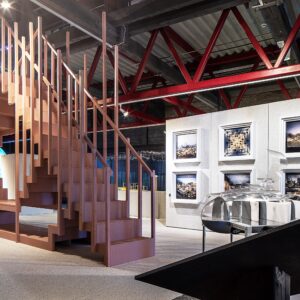
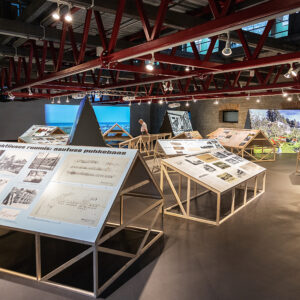
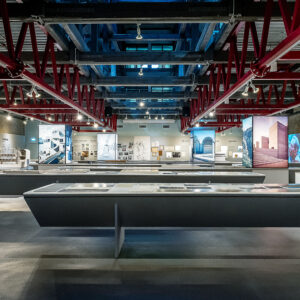
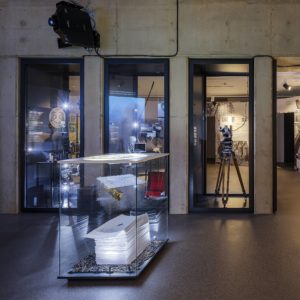
Awards have usually been given also to events and publications in architectural life which provide contemporary architecture with an intriguing context. Against the backdrop of increased interest in the modern urban space, it is only appropriate that also a book on the past hundred years of the Estonian urban development is published featuring various seemingly new and innovative ideas. Coincidentally, both of the most important exhibitions focused on postmodern heritage –the first on the City Hall as the apotheosis of its time, now falling apart, and the other on private houses, building for yourself, and the spatial paradoxes in 1980s.
Triin Ojari
Editor