














 113
113 

 TAGASI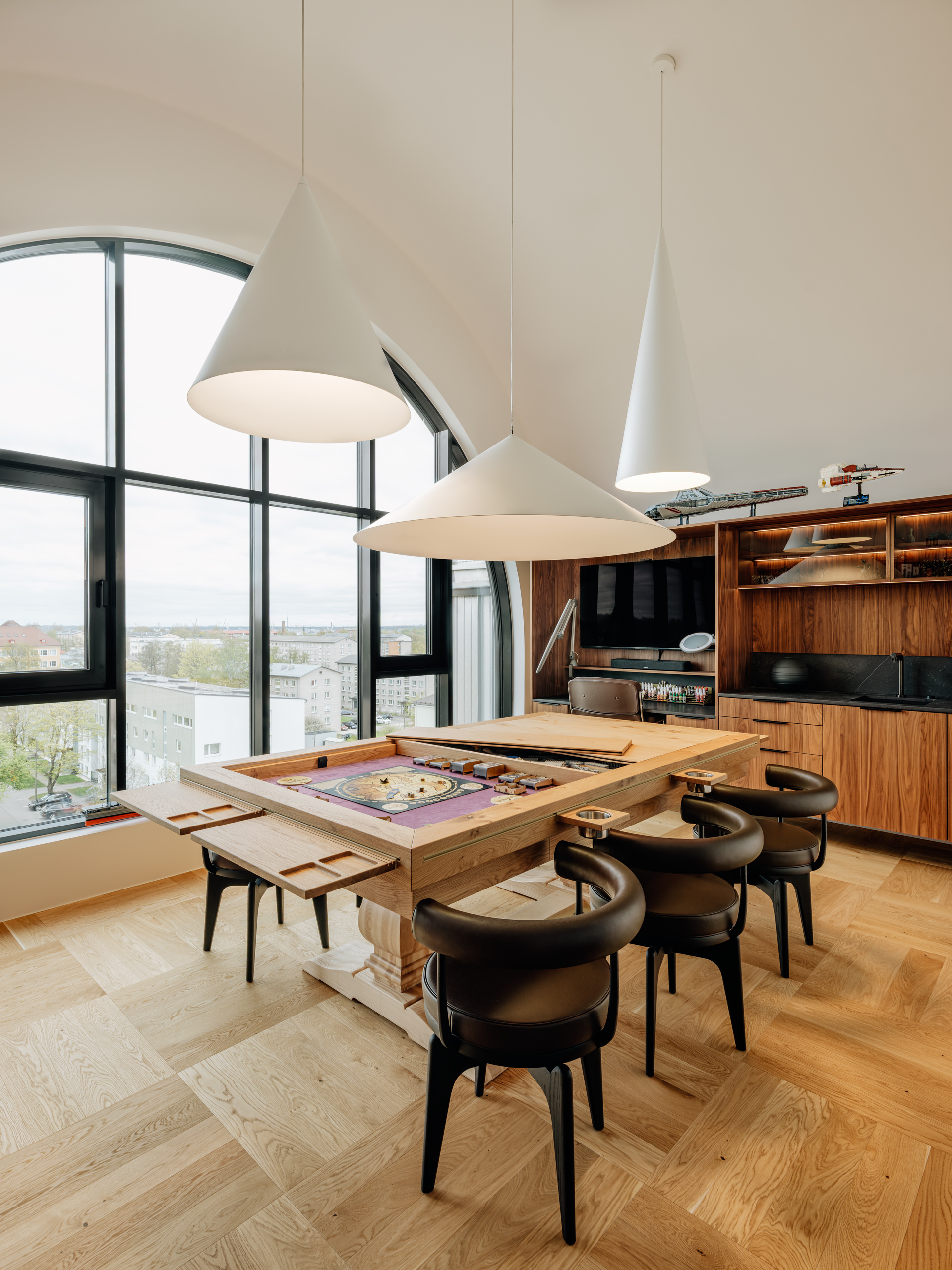
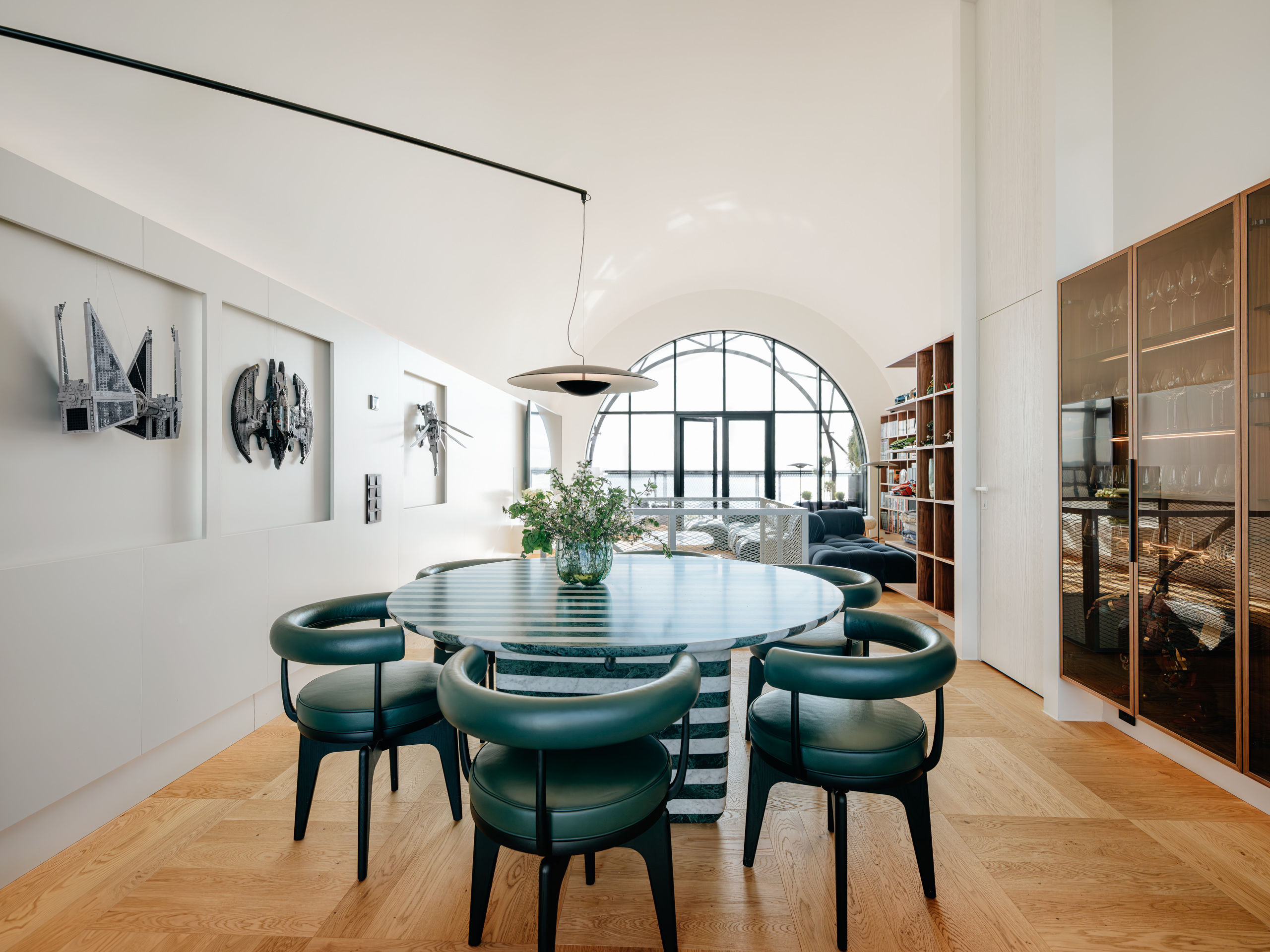
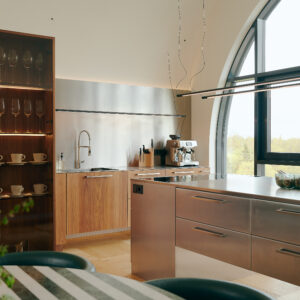
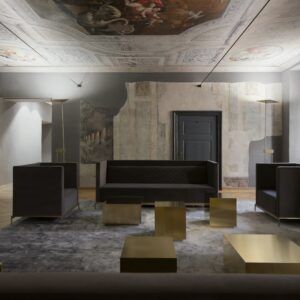
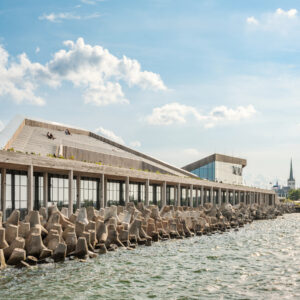
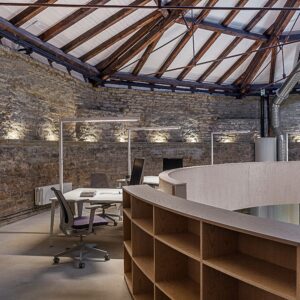
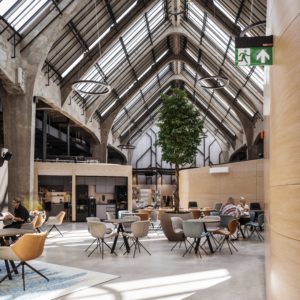
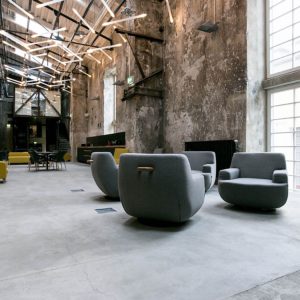
Ankru Apartment is situated in a former industrial building that was renovated by the architects of Molumba. The building’s characteristic vaulted ceilings and the specific geometry of the Bekker shipyard provided the starting point for developing the interior architecture for the apartment. For interior architects Mari Põllu and Kadi Berens, the goal was to create a home that both elevates the building’s architectural character and factors in the specific interests of the family of six living here.
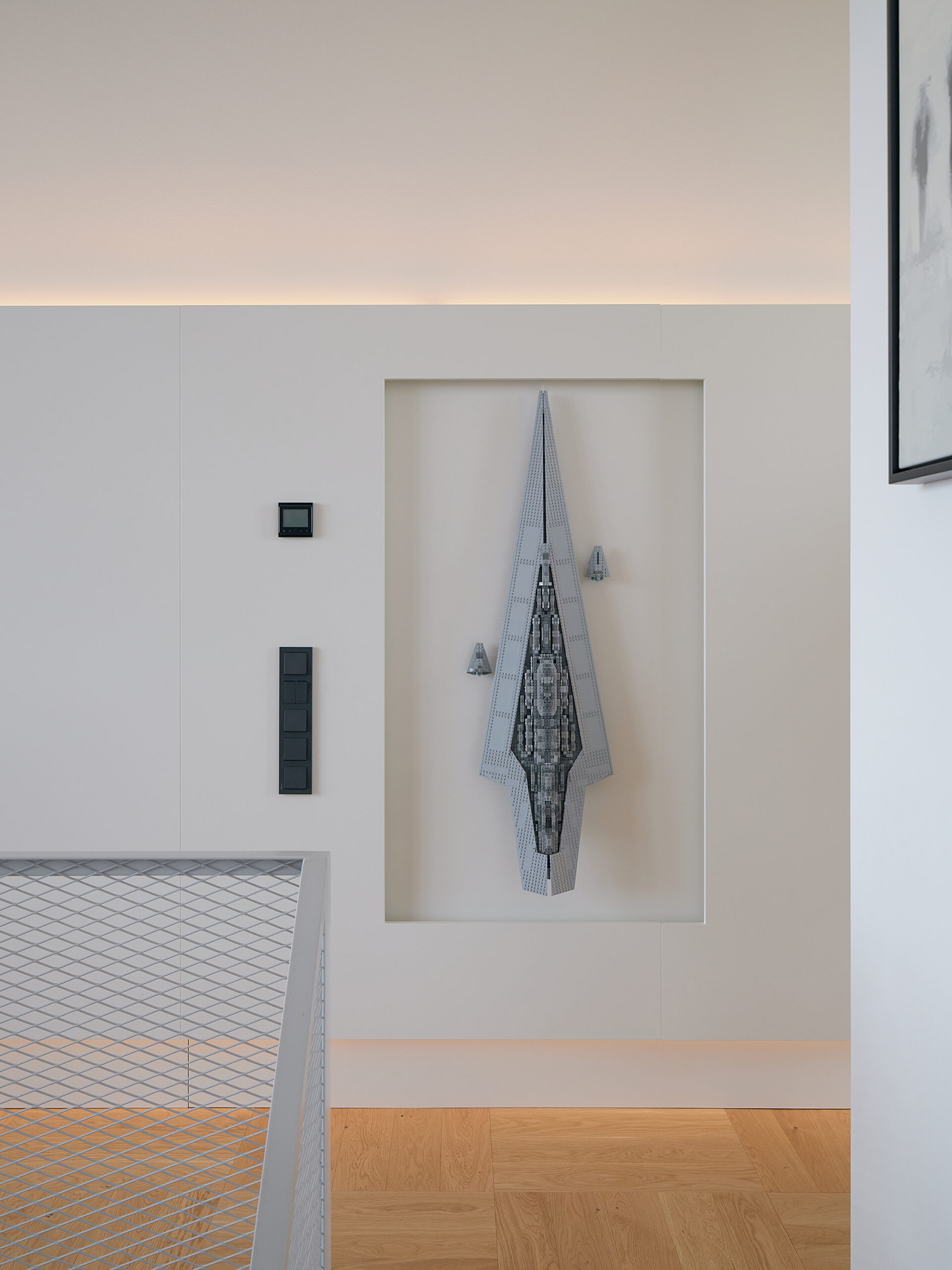
At the heart of the apartment’s design concept is the homeowners’ active lifestyle and technology interest and savvy. The home has become a hybrid space that is functional on every level, seamlessly meshing work, hobbies and family life. The family members’ interests, ranging from a Lego collection to board and digital games, are given expression through custom design features and the necessary display spaces. Hobby paraphernalia has been given equal billing to artworks – the items are not just stored, but integrated with the interior.
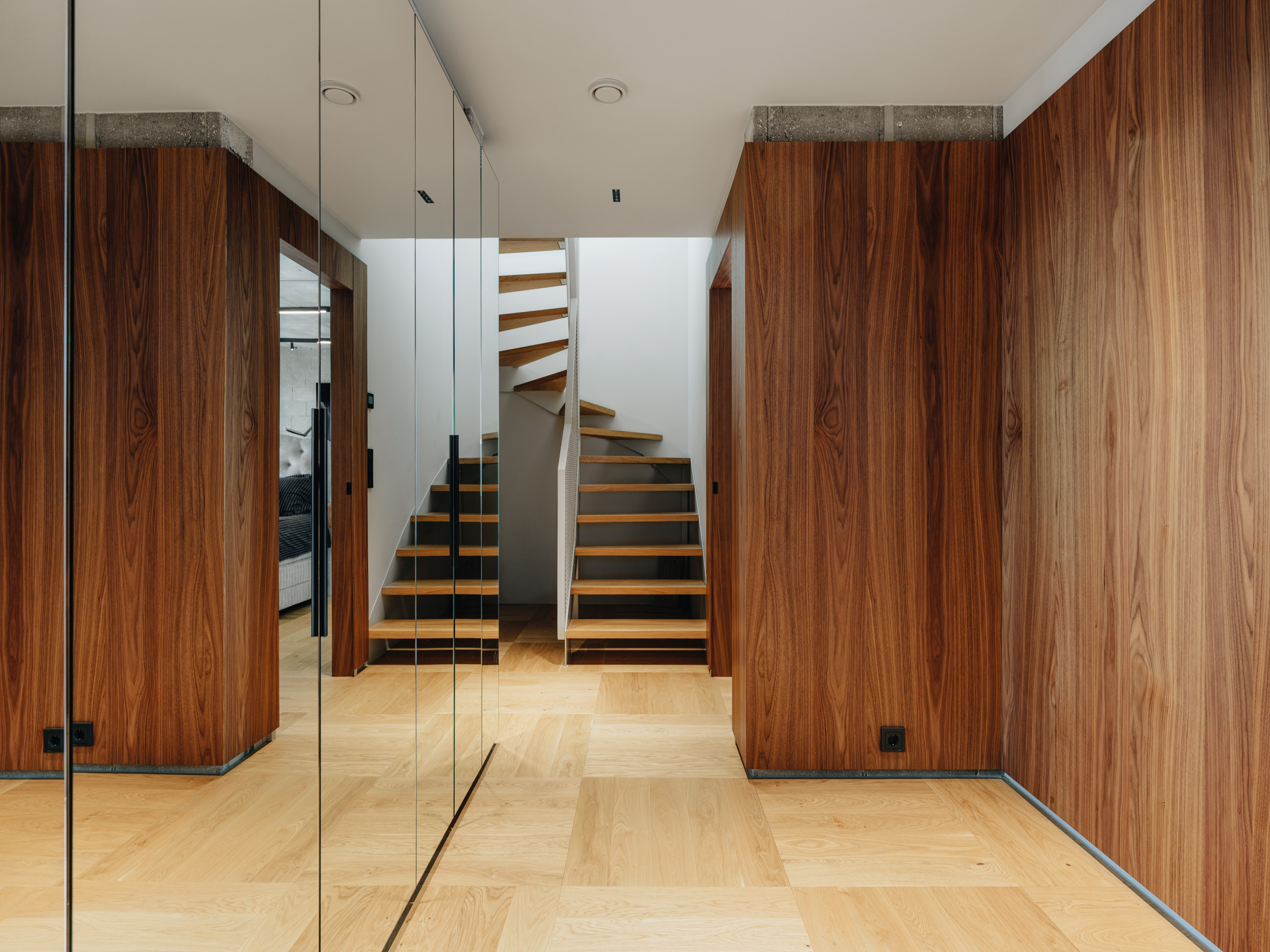
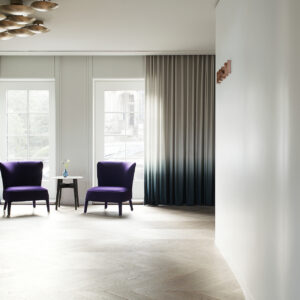
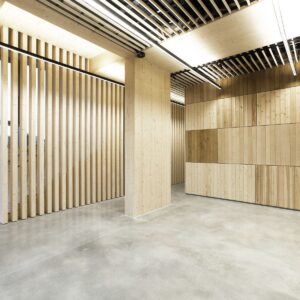
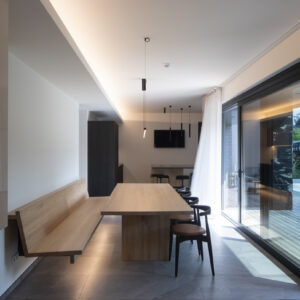
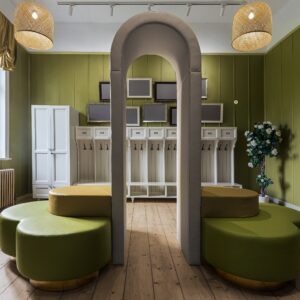
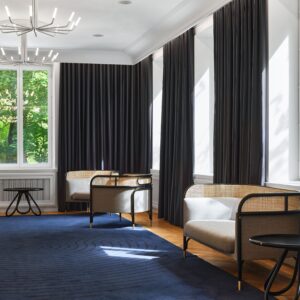
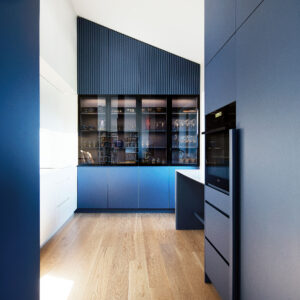
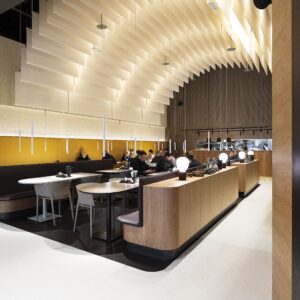
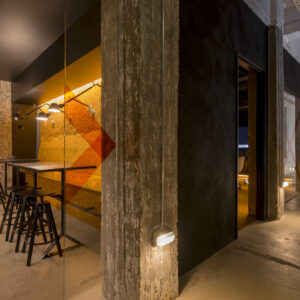
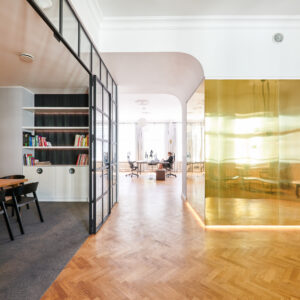
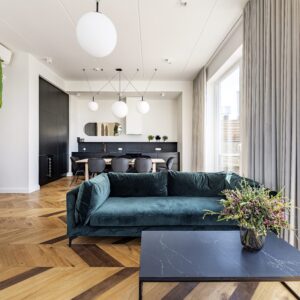
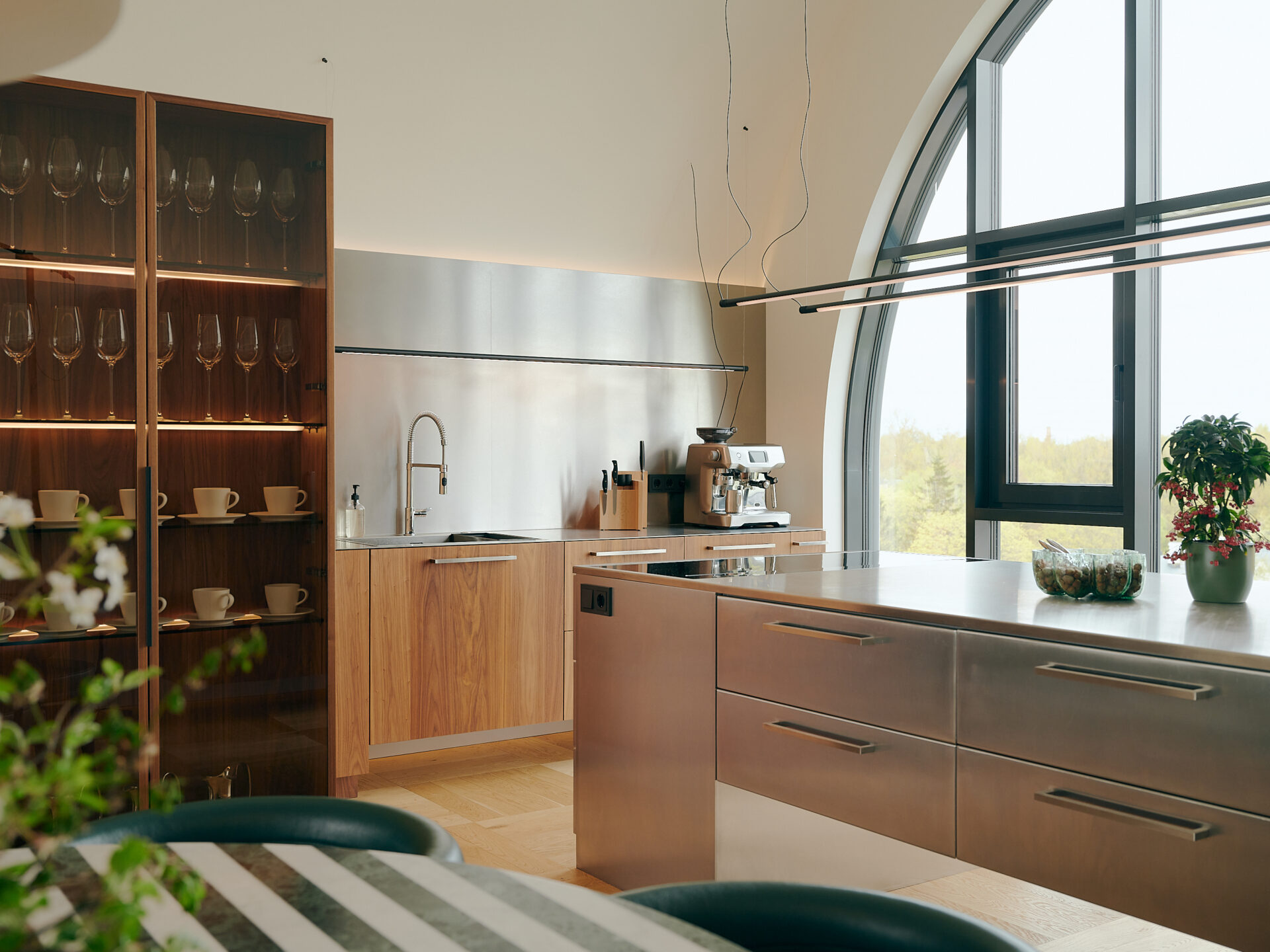
This is a massive apartment, extending through two storeys and taking up 260 square metres. On the upstairs level, there is a living room with a vaulted ceiling, kitchen and a hobby and work space. The lower level was defined by the rhythm of the windows of the old factory building, which remain the axis of the final design. The lighting project for the interior stemmed from a desire to accent the vaulted ceiling architecture, keeping the ceilings visually uncluttered. Accordingly, all the custom furniture on the upstairs level has a cantilevered design, extending only to the wall’s spring line where the vault’s curve begins. The light emanating from behind the furniture creates a floating effect, balancing the detail-rich interior. The same technique is used again in the downstairs part, where light reflected from behind the panels conjures up a stylized industrial atmosphere. Veneered panels and wood softens the effect, however.