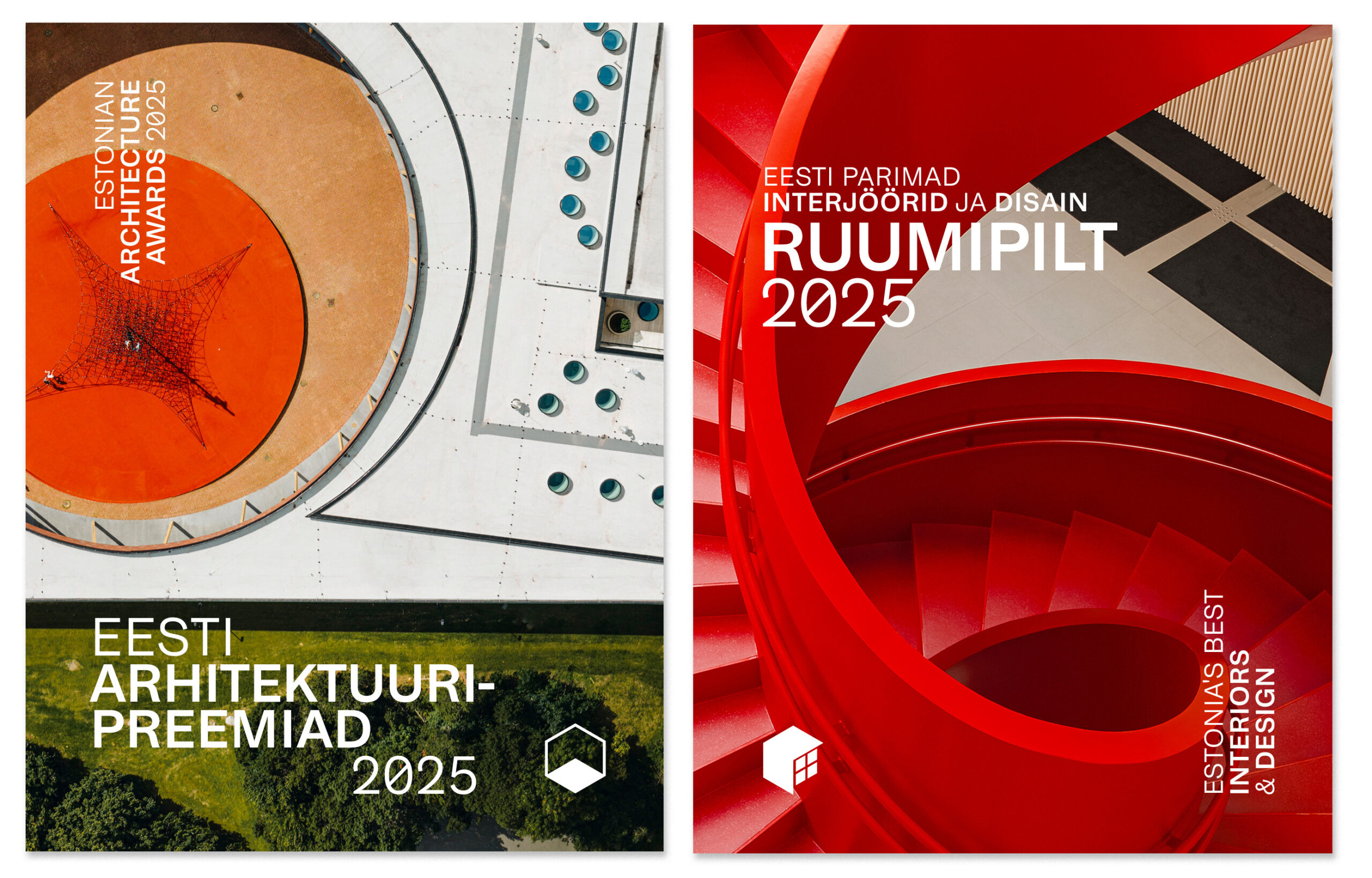
The Estonian Embassy in Singapore is one of the newest foreign missions and one of the country’s key calling cards on the global stage. The embassy has a business and economic diplomacy thrust and the consular operations are supported by the Business Hub. The architects of MARIHUNT have hit on the essence of the brief and designed the interiors to suit the embassy’s profile. In this Southeast Asian powerhouse, Estonia is promoted as an innovative technology and digital society while Nordic nature and culture have a key role as well.
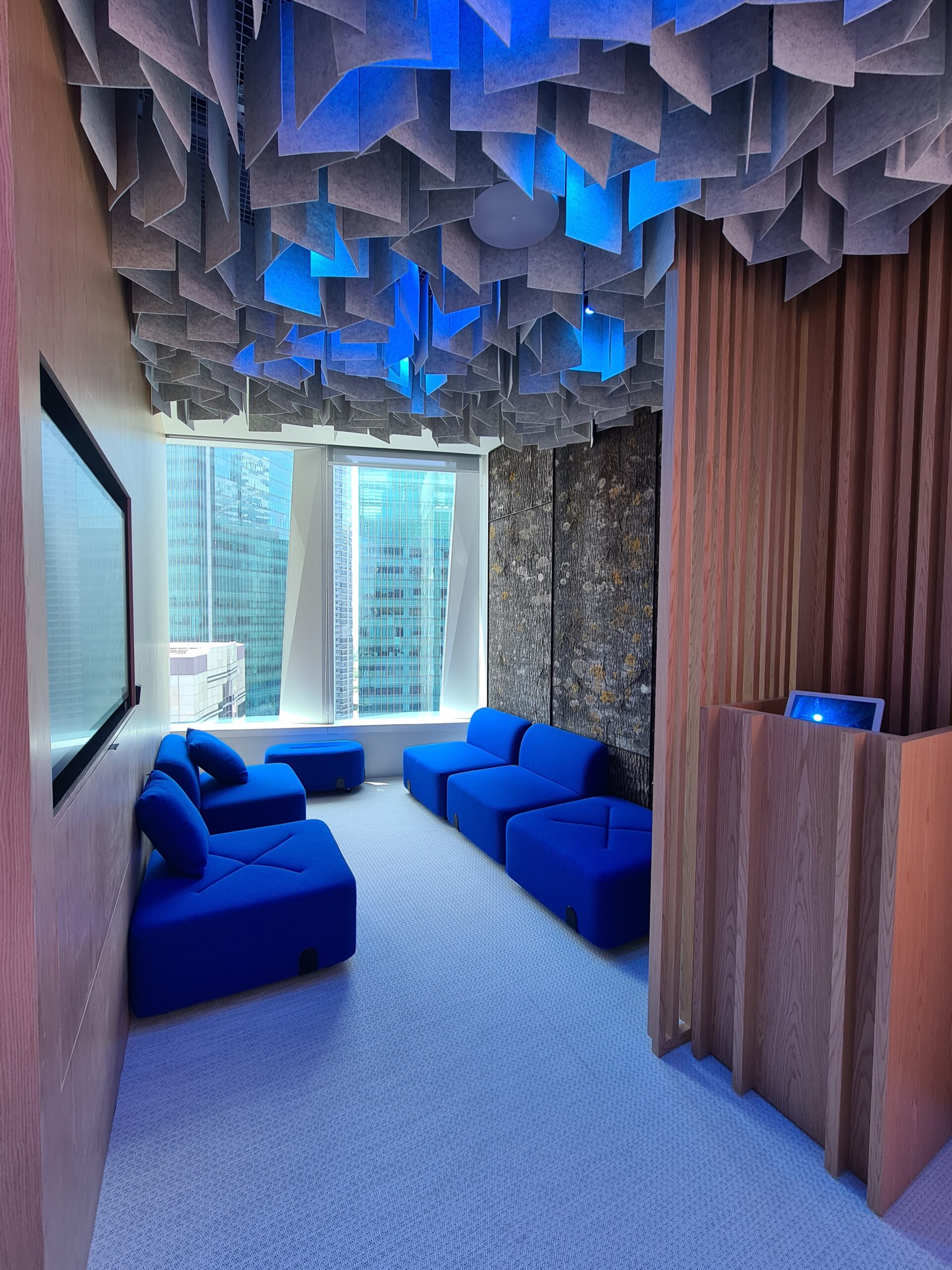
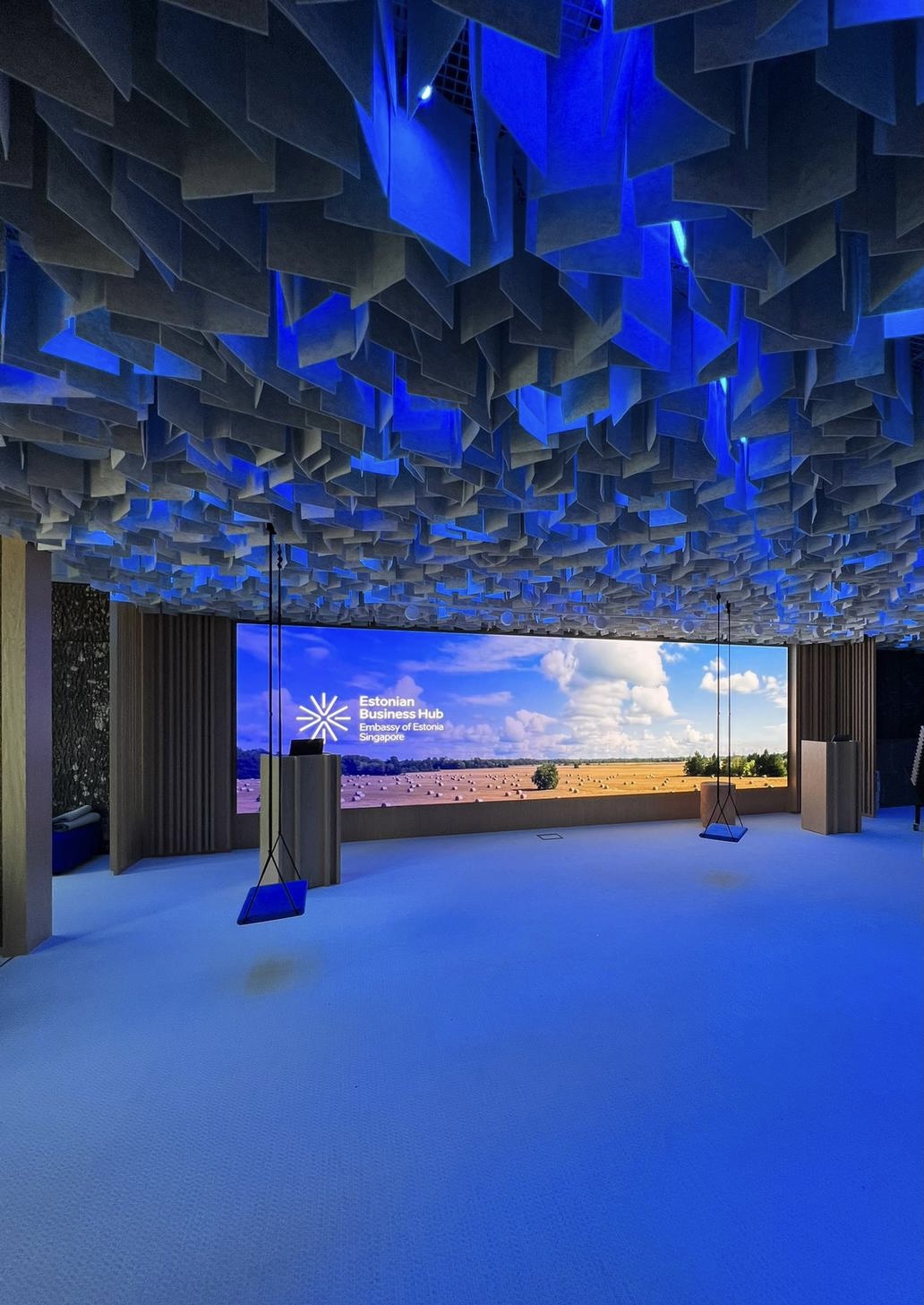
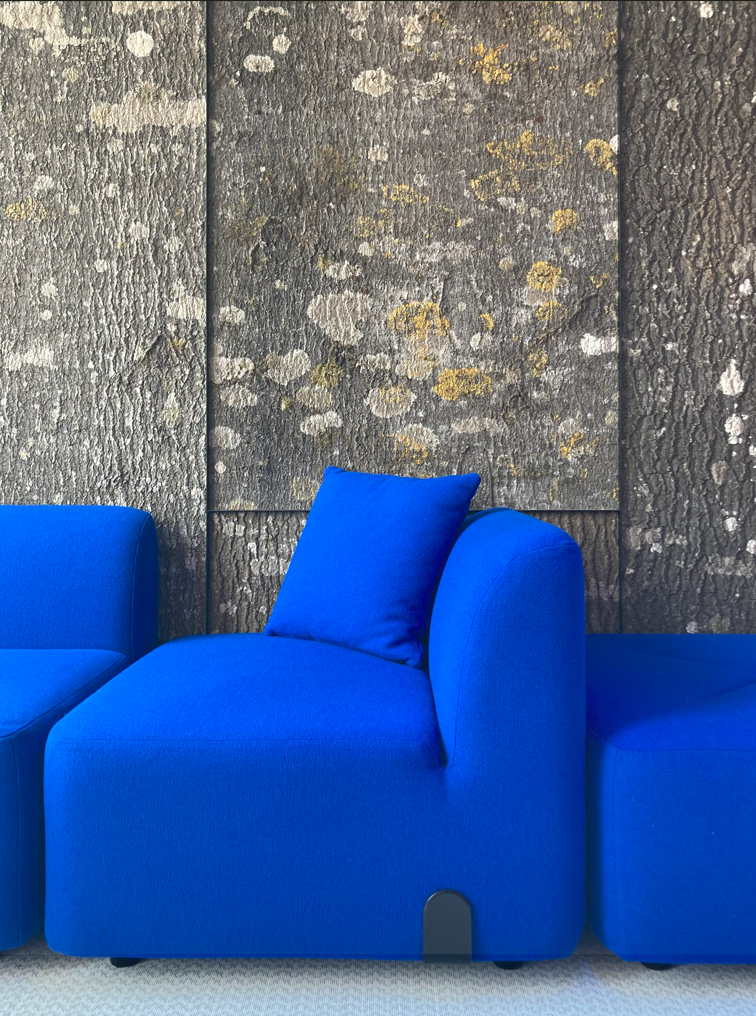
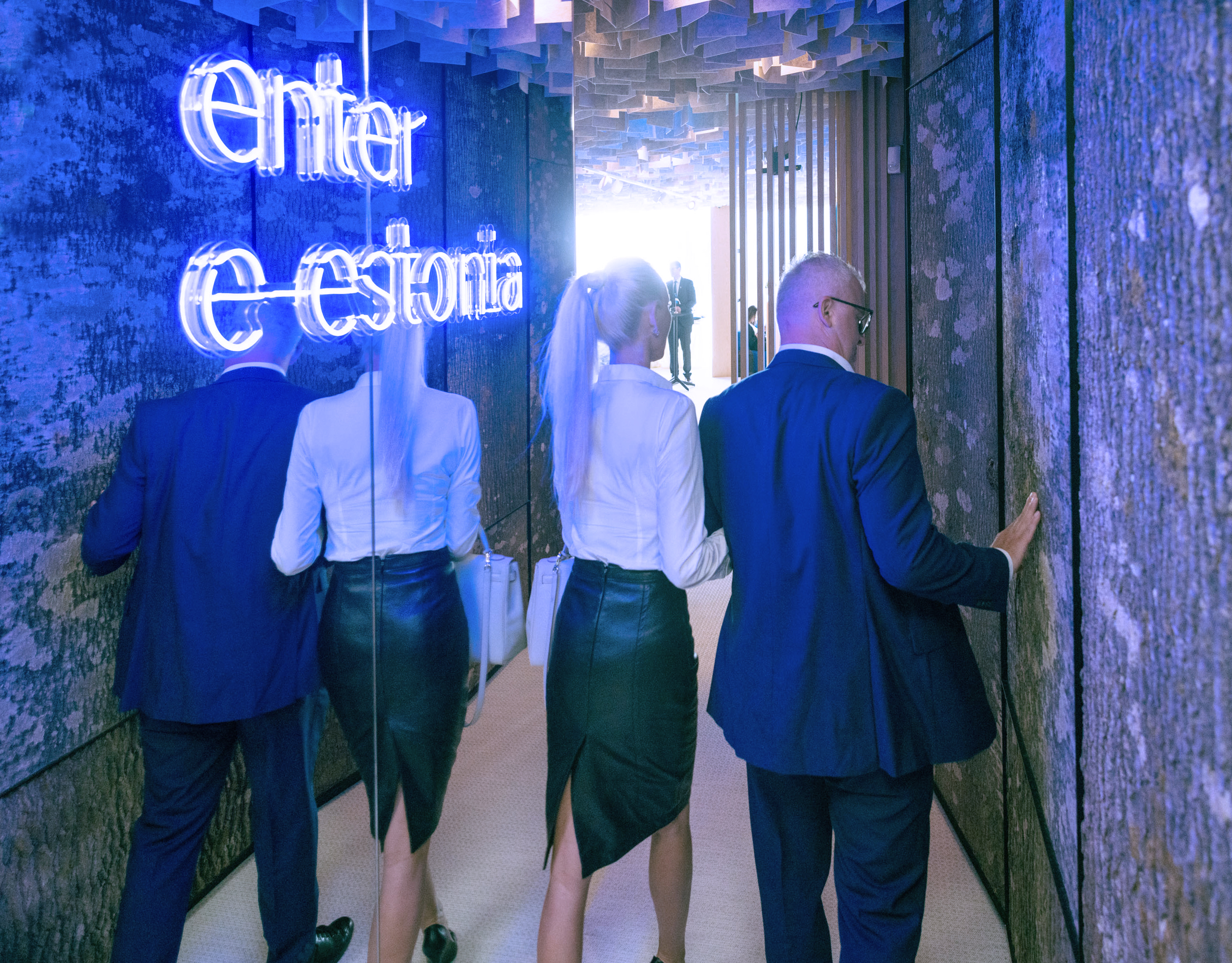
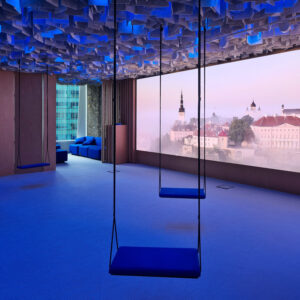
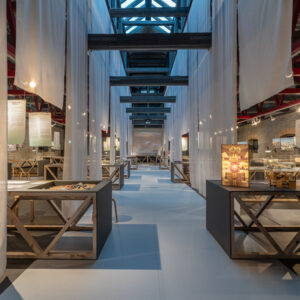
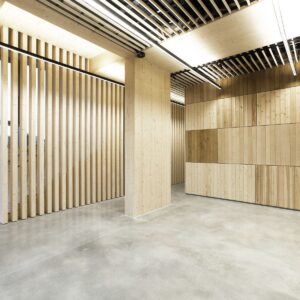
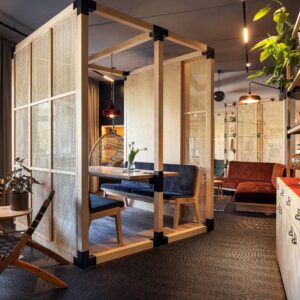
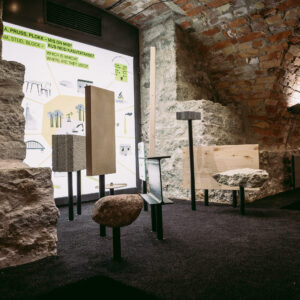
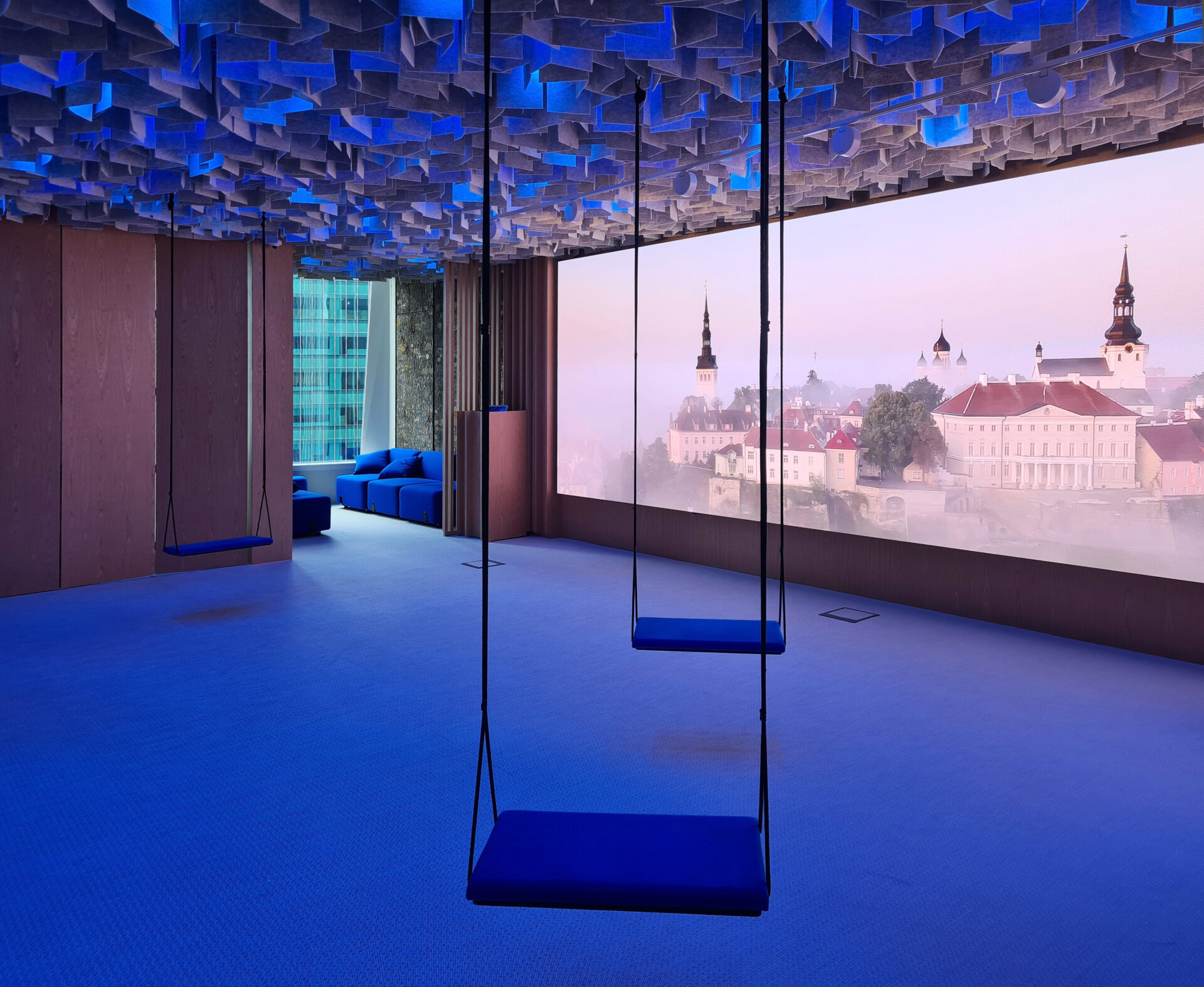
The interior architects imported a variety of materials referencing Estonia. Entering the Business Hub, one first encounters a wall panelled with aspen bark, made from panels produced from timber industry byproducts. Another striking feature is a ceiling lined with wool squares and integrated LEDs. This allows the space to be prepared for distinctive-looking events. The tonality and intensity of the light can be adjusted to create different atmospheres, simulating phenomena like a snowy sky, Northern Lights and natural sunlight.
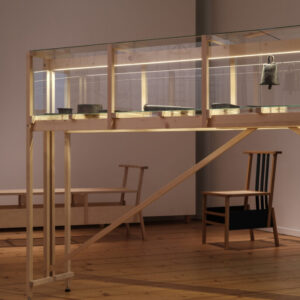
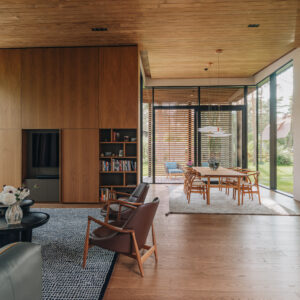
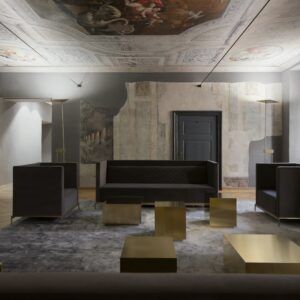
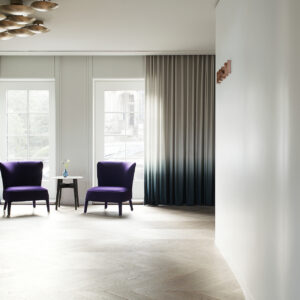
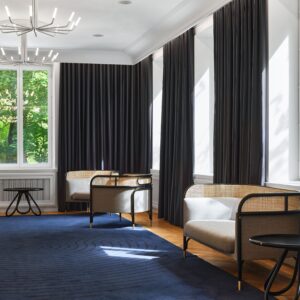
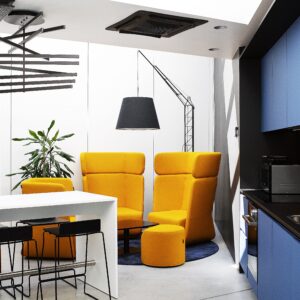
Plenty of well-known designer furniture was also taken to Singapore. Toivo Raidmets’s legendary chairs from the series entitled Kraps. The younger generation of artists whose work was used includes Siim Karro, whose benches made from mycelium, the vegetative part of fungi, are a success story in terms of biotech innovation and aesthetically pleasing form. Other examples of Estonian design are the hand-crafted PULO lights and Humabu modular couches, which bring softness into the interior and are practical and durable.
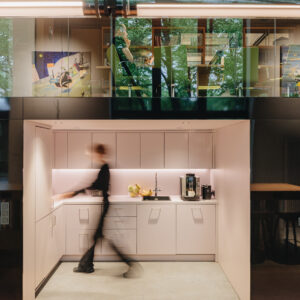
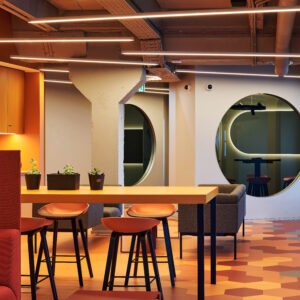
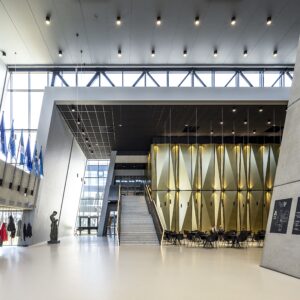
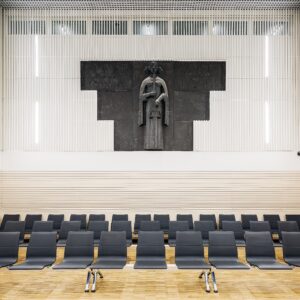
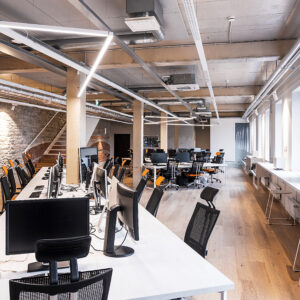
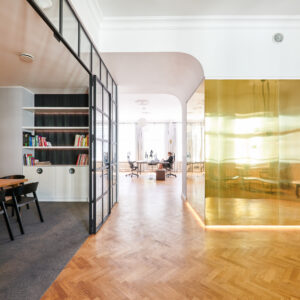
Designing the embassy was a big challenge for the interior architects – on one hand, these sorts of interiors are intended to introduce Estonia to the world in a distinguished and captivating way, bringing in various key messages and elements. At the same time, the spatial typology meant the room layout is complicated to plan, as the embassy has to have private and secure office space and consular areas and – in Singapore’s case – the Business Hub presentation rooms. MARIHUNT’s architects succeeded effectively: the hub’s demo space resembles, with a zig-zagging element reminiscent of a bandshell, some Tetris block in the heart of the embassy. Within this shape, the architects managed to cleverly conceal auxiliary rooms, offices and meeting rooms. This sort of high-calibre design and the inclusion of spatial elements characteristic of Estonia has resulted in a very tasteful and prestigious-looking embassy.


















 123
123 

 TAGASI