






























 177
177 

 TAGASI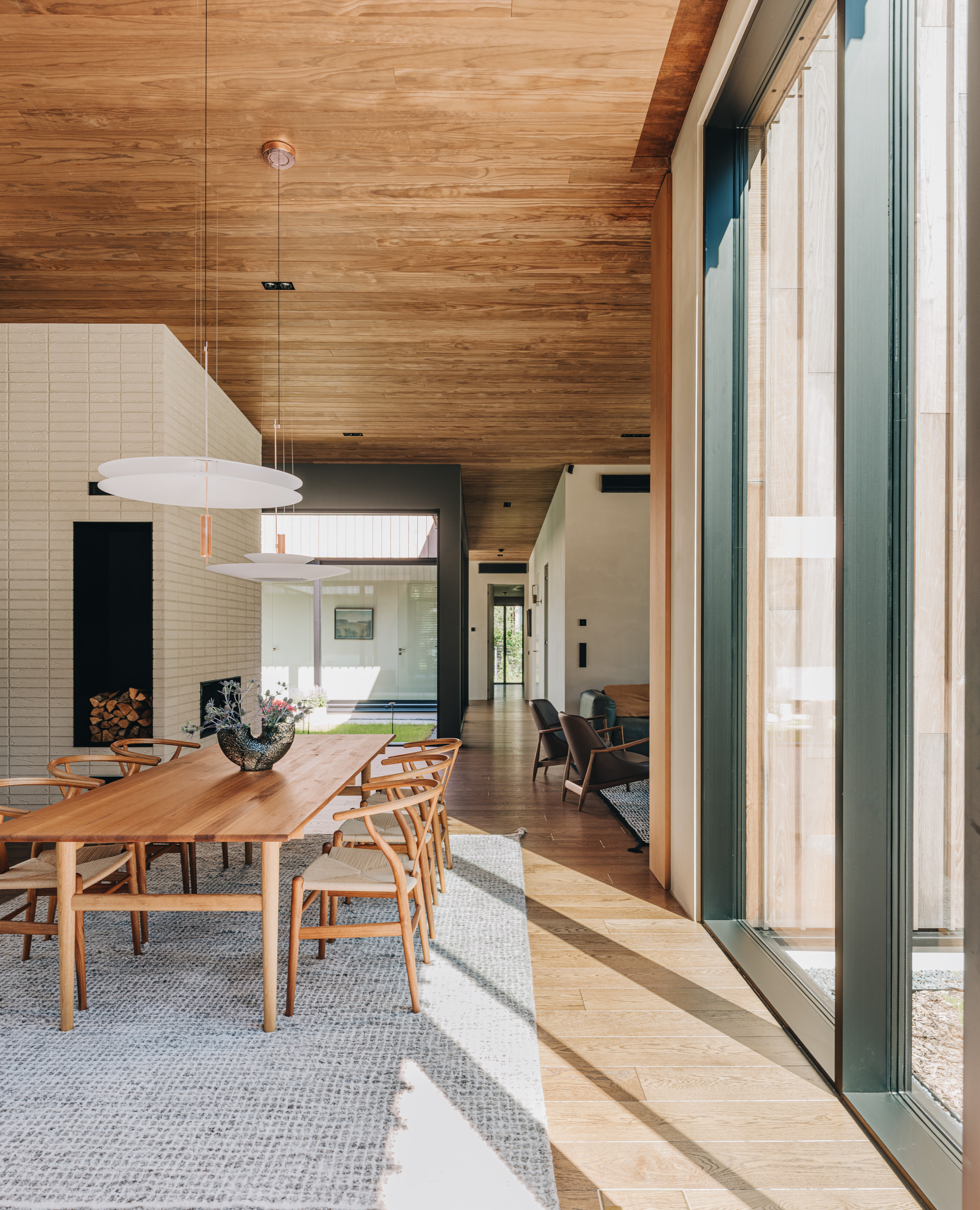
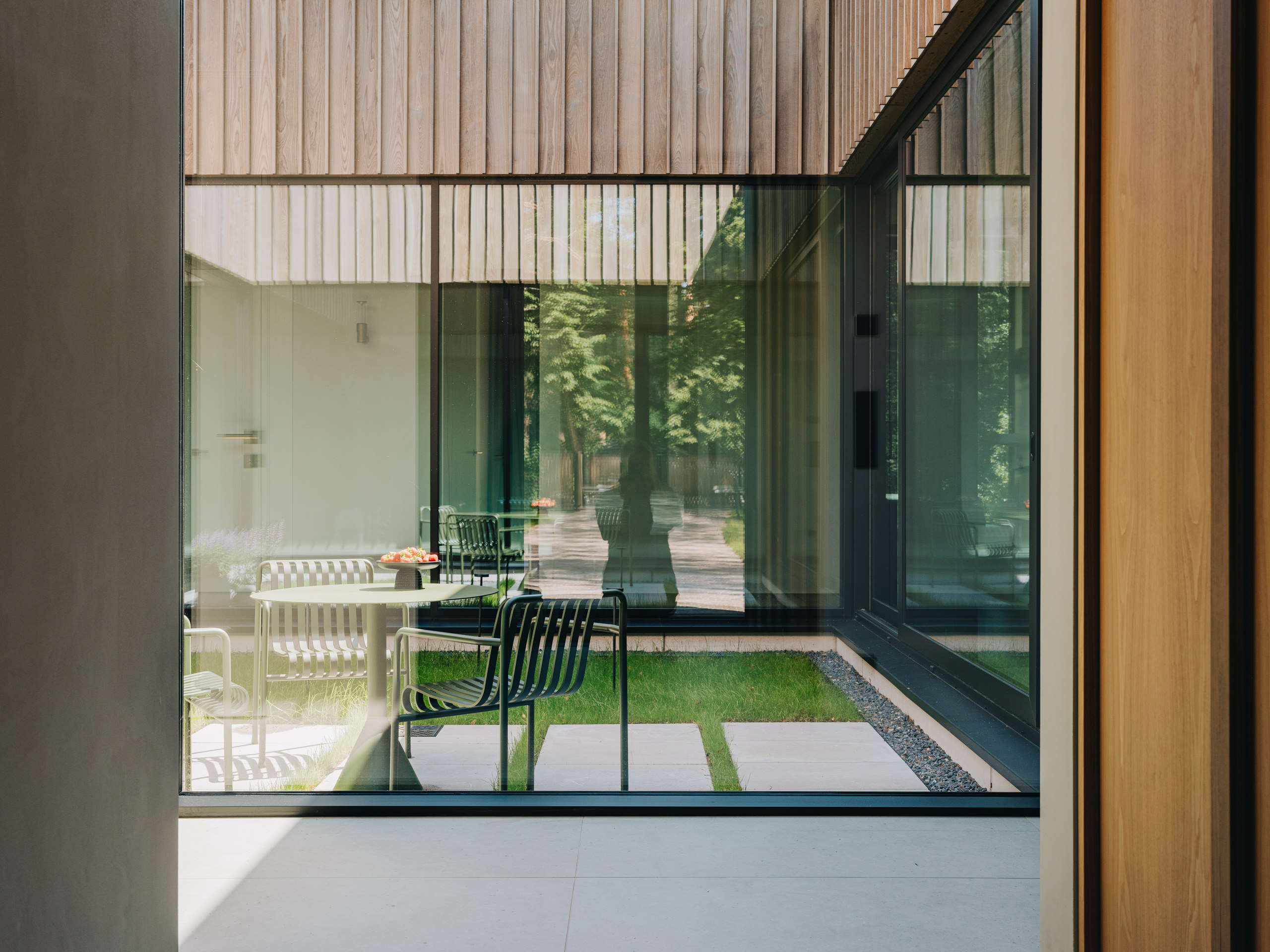
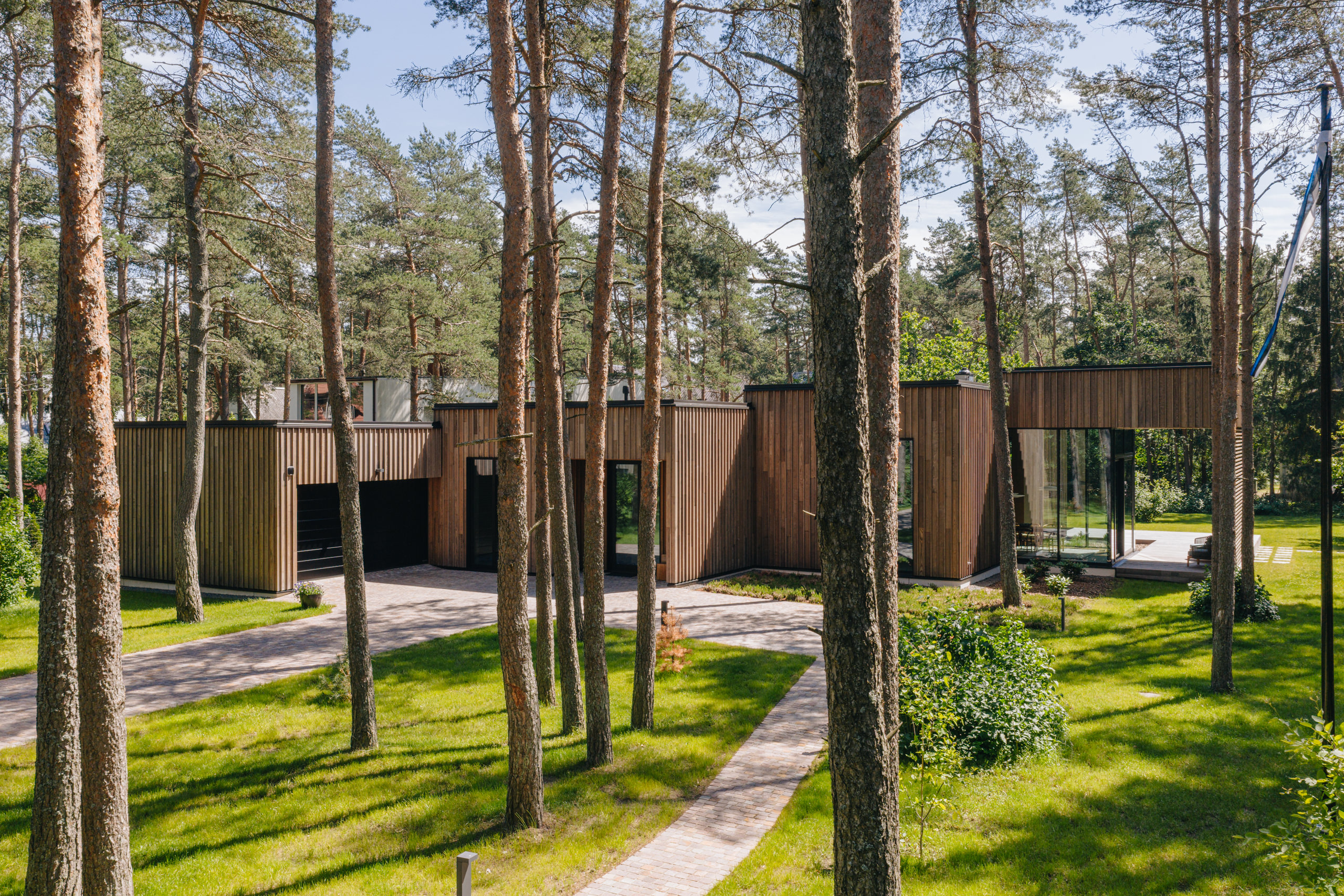
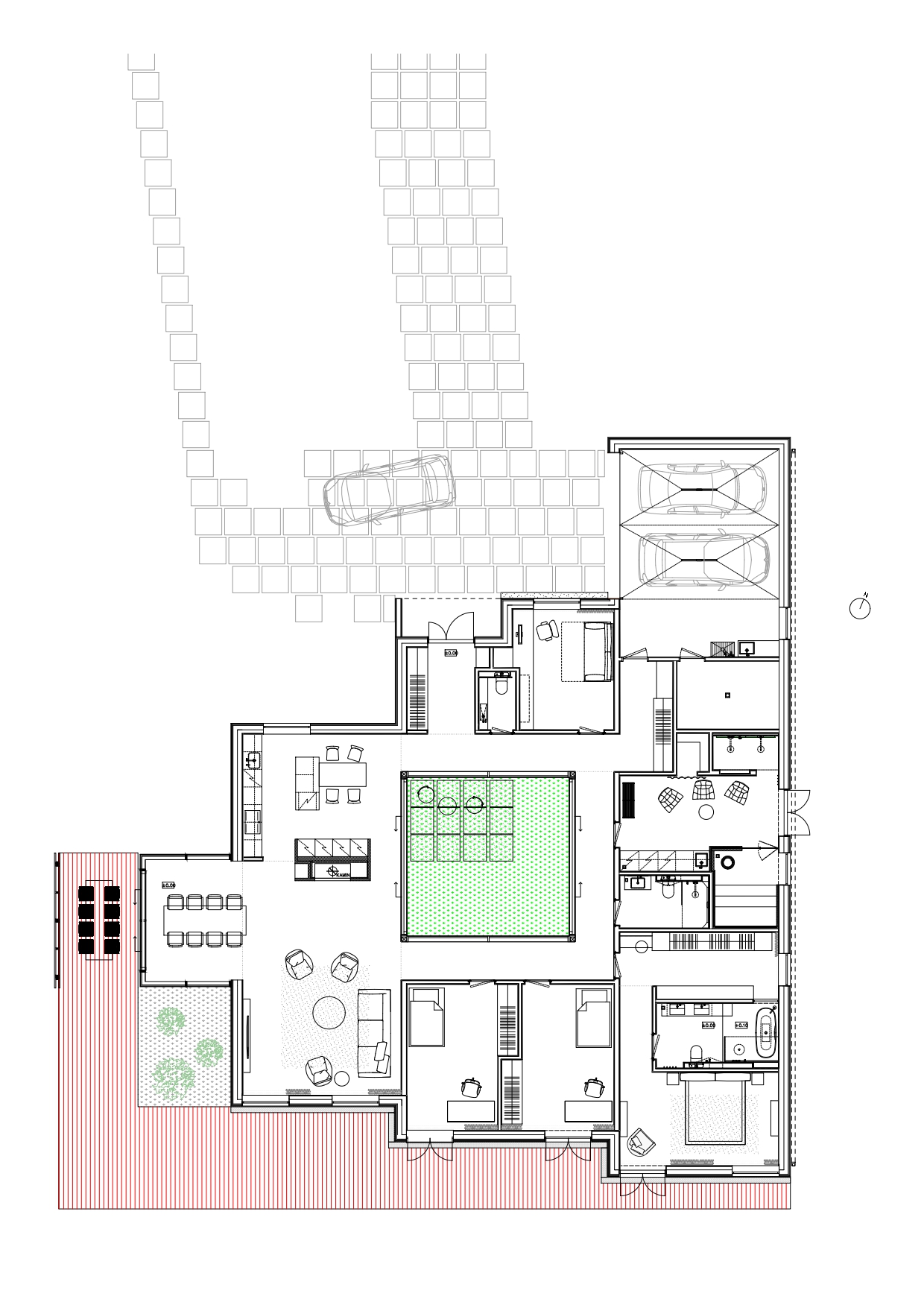
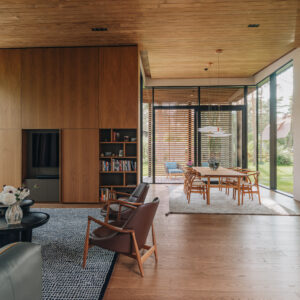
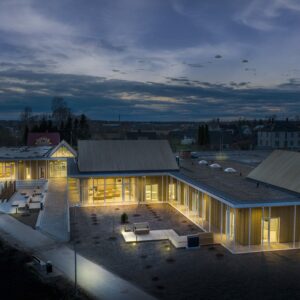
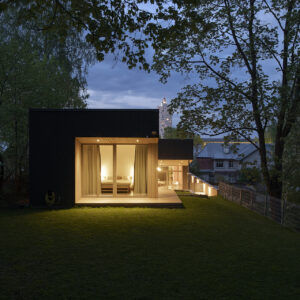
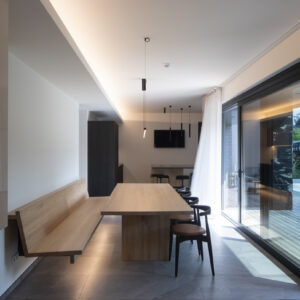
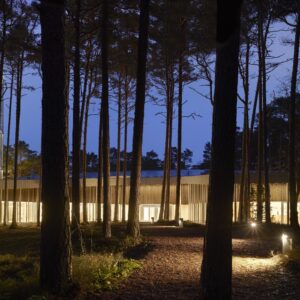
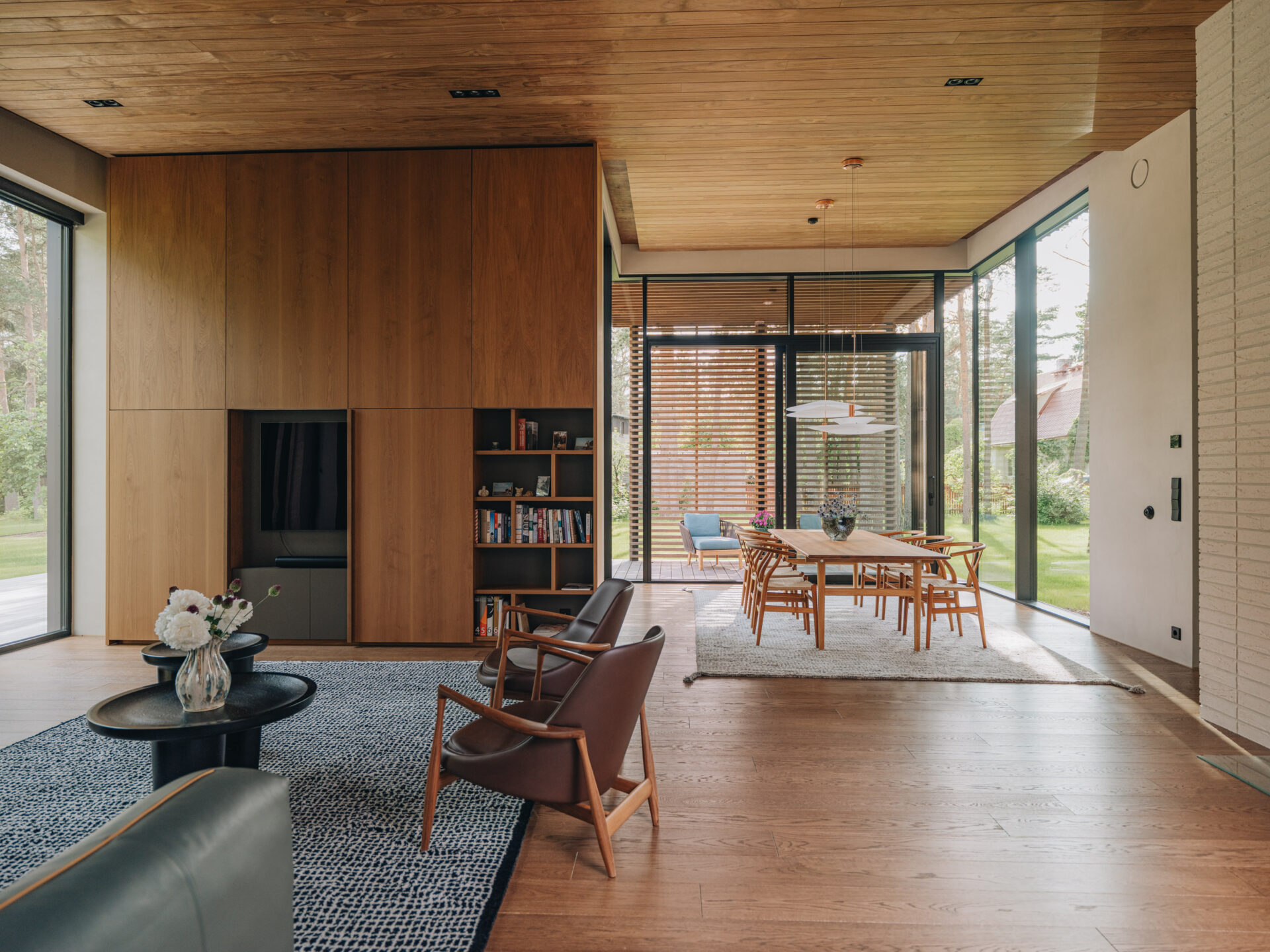
This Nõmme house is tasteful and inward-looking; its architecture and interior make it a phlegmatic introvert in contrast to the noise of the city. The living areas are clustered around a central interior courtyard, offering an atmosphere almost akin to a cloister, where the reticence of the facade is balanced by internal spaciousness. The structure’s design embodies spatial harmony through clear proportions, high-quality materials and areas interwoven with light. The choices made on the interior are a homage to mid-20th century modernism, where the exterior area also enters into the interior through the atrium.
Although the house is single-storey, it seemed much bigger thanks to the well-conceived layout of rooms. The rhythm of the volumes is dictated by the aforesaid central courtyard, providing light and transparency but also serving as a practical outdoor area where the inhabitants can spend time. The layout enables circulation motion, connecting the rooms to each other as a series.
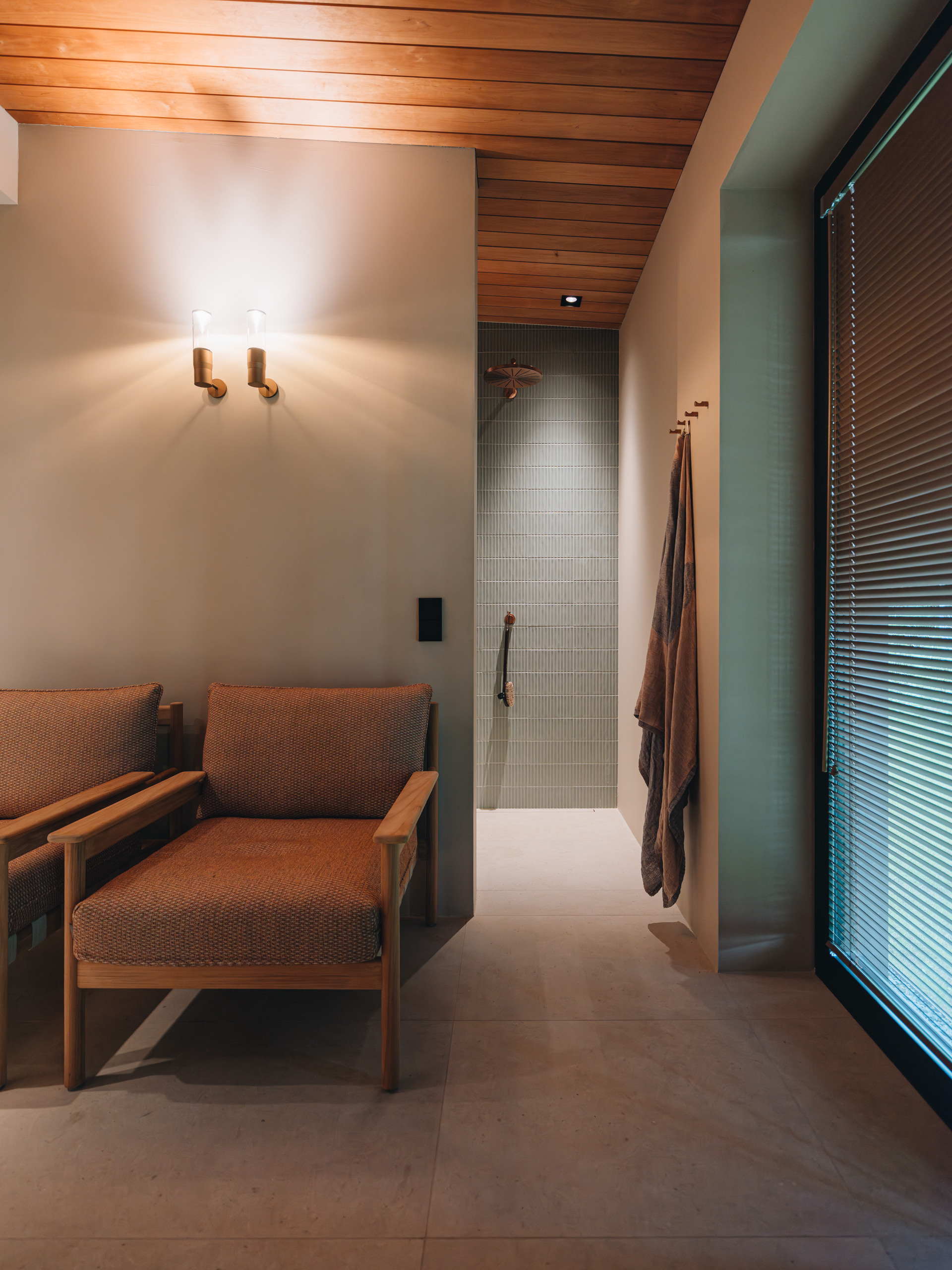
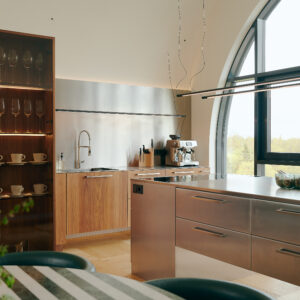
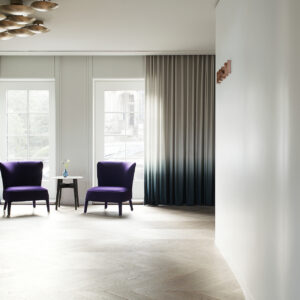
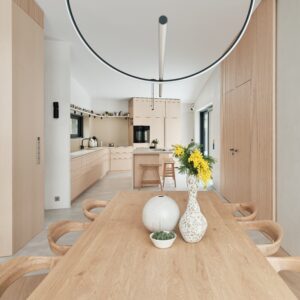
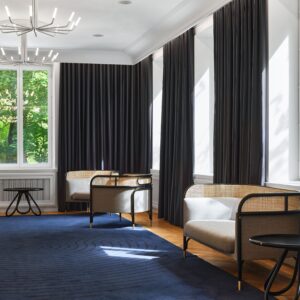
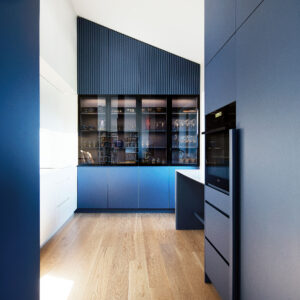
In the selection of materials, the interior architect remained true to Nordic qualities: natural wood, discreet tonalities and tactile solutions, creating a timeless but alive living environment. The custom kitchen supports the same principle – a balanced whole springs from simplicity and carefully considered details.