




























 142
142 

 TAGASI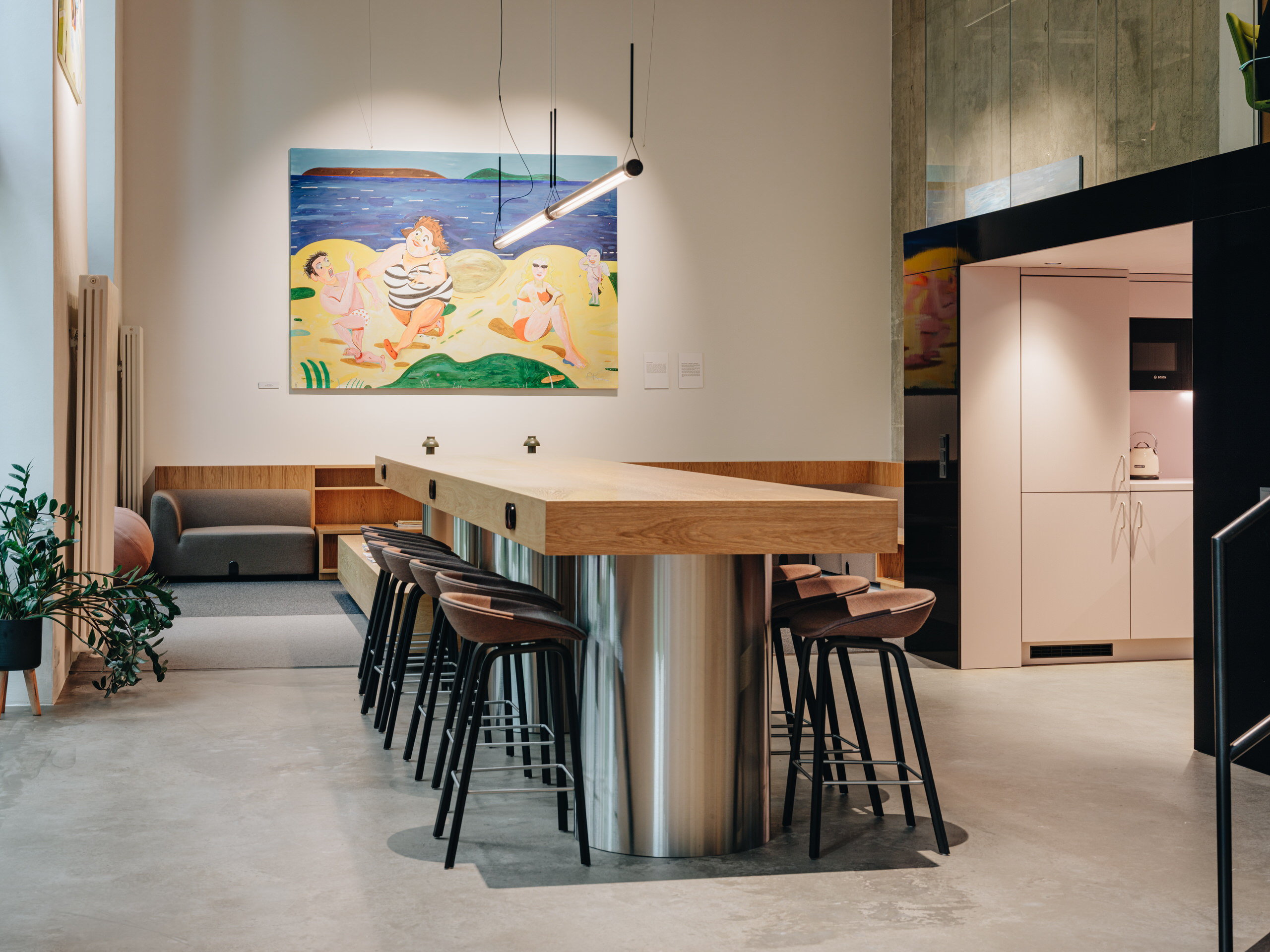
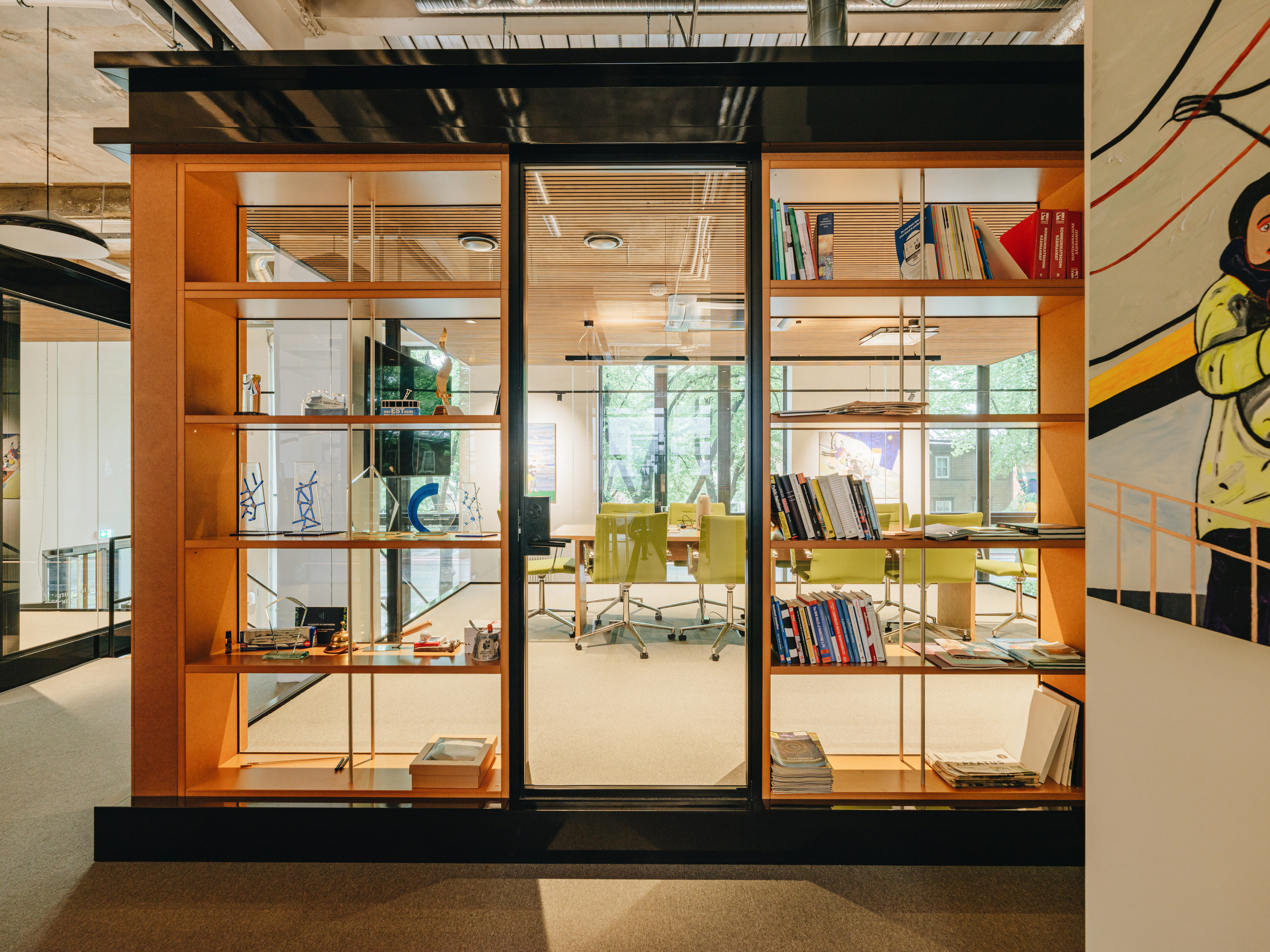
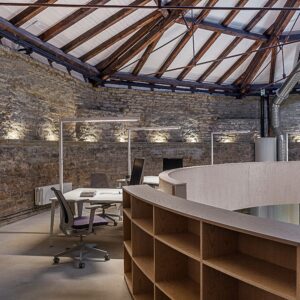
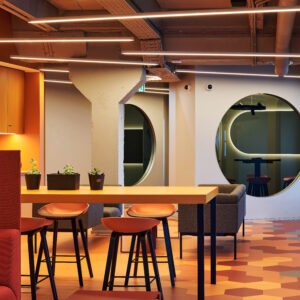
The brief for the new offices of Hamburg & Partnerid was unusual in that besides needing to deliver an inspiring and diverse interior, the interior architects had to integrate custom furniture made for the communication agency a few decades ago. The MDF shelves and desks designed by Eeva Masso dated from 2008 – they weren’t exactly historical but evinced a masterful sensibility for form, and were impactful in terms of their functionality and strict proportions. At first it was hard to imagine how the time-worn furniture might become a part of a contemporary office space.
As they developed the solution, Karits, Hiiuväin and Leis faced the questions that can quickly ground every interior architect’s high-flown ideas. How to reconcile the materials from 17 years ago with today’s visual clarity and the company’s image? But the customer’s request was reasonable and sincere and there was no other option but to turn the concept of re-use into the project’s strength and the central axis of the entire concept.
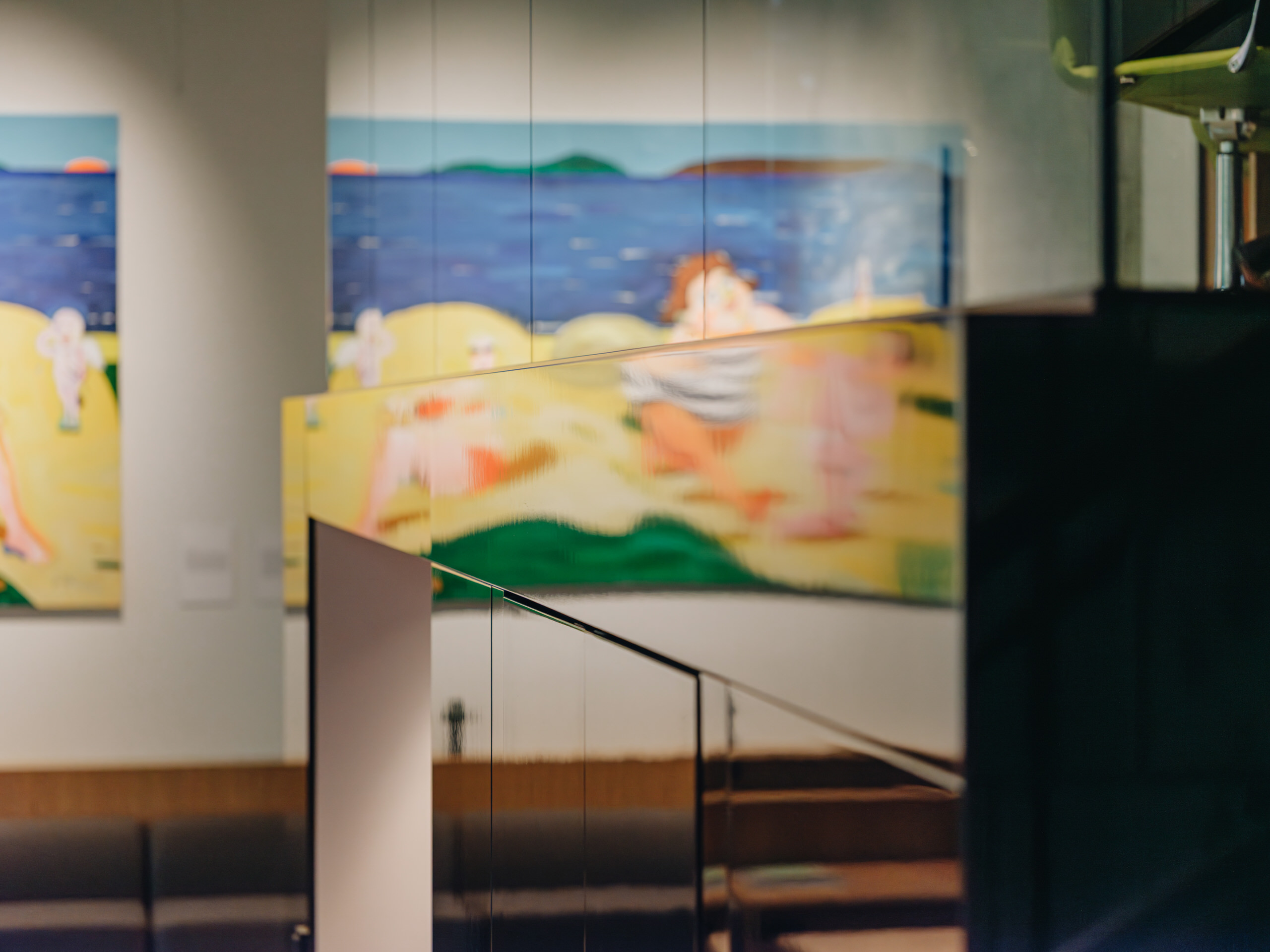
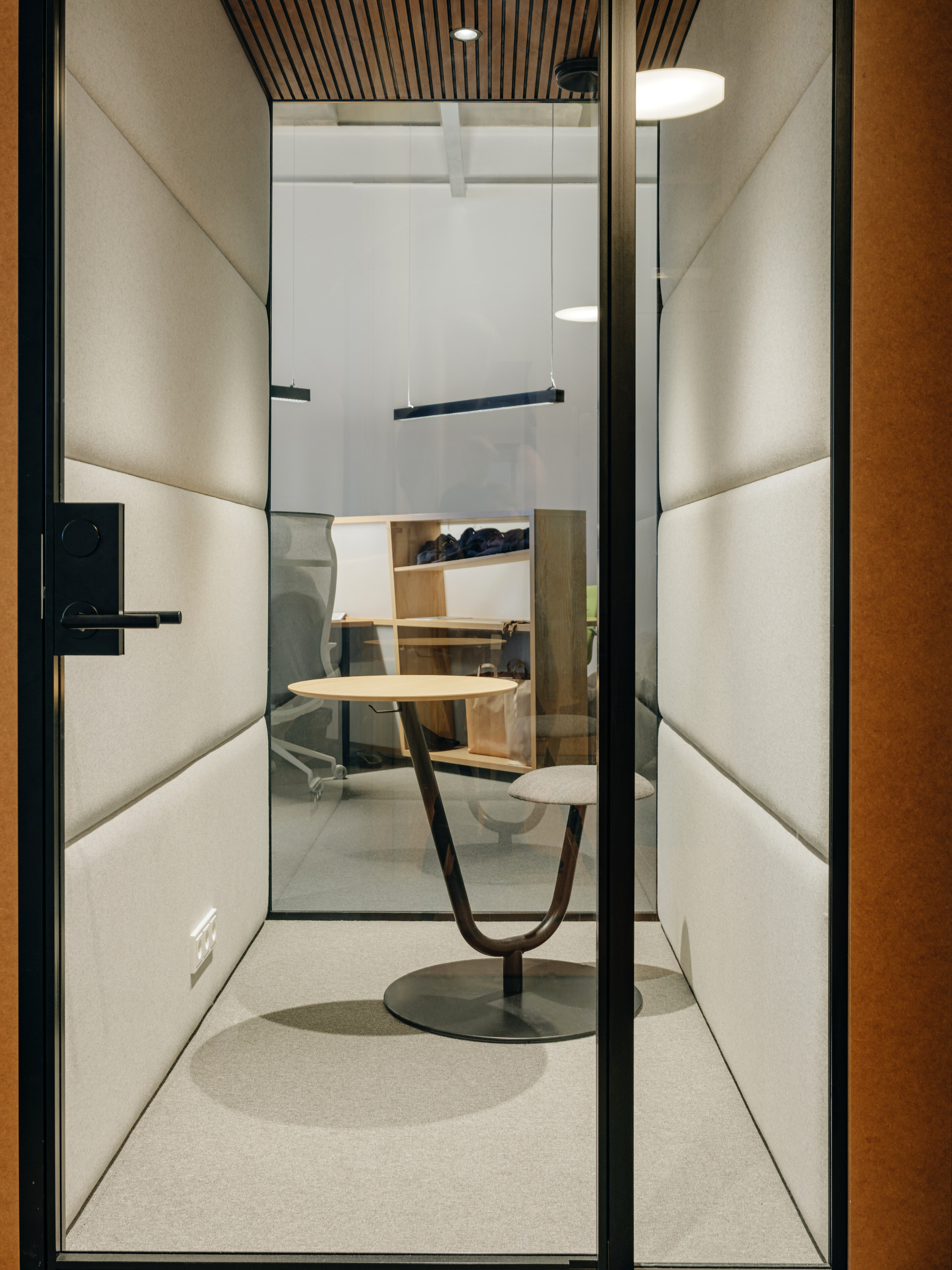
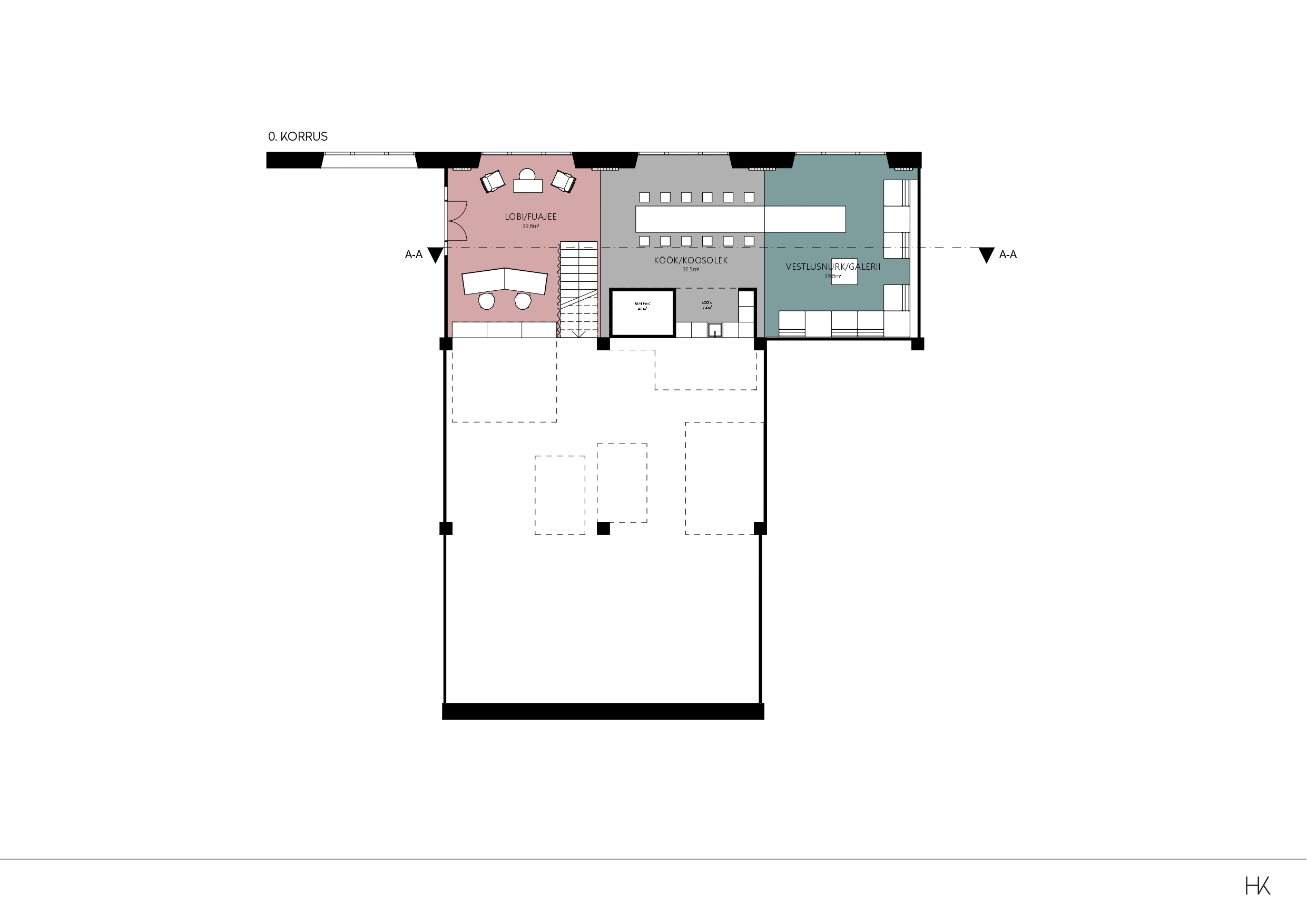
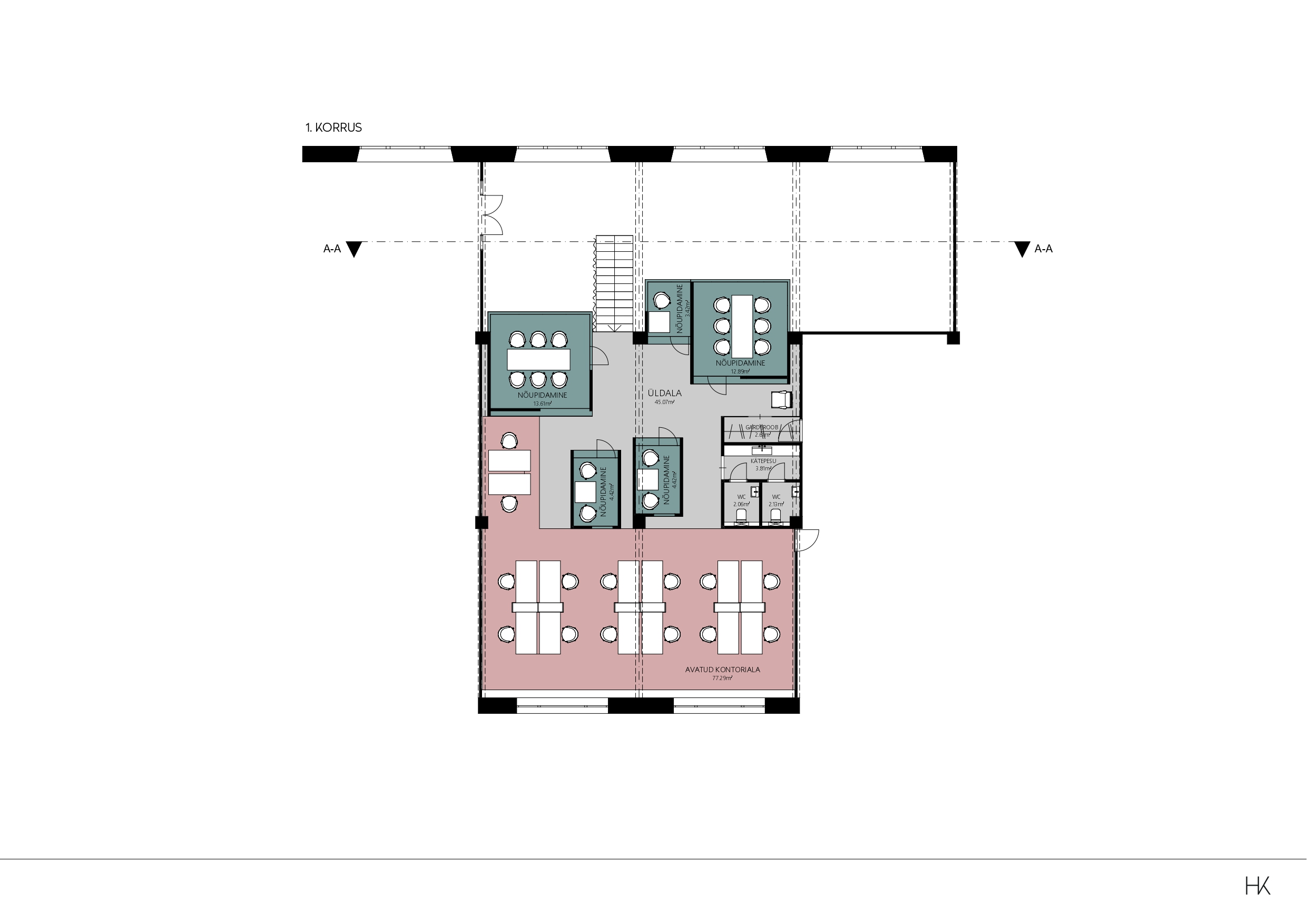
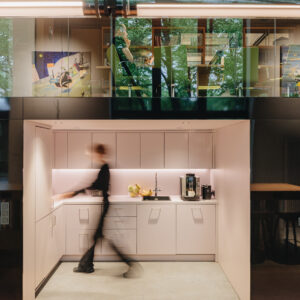
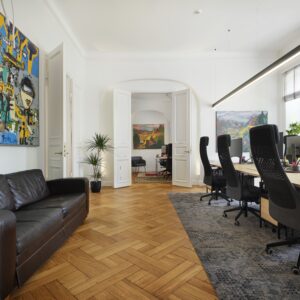
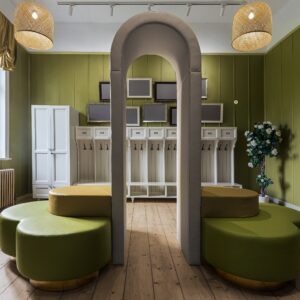
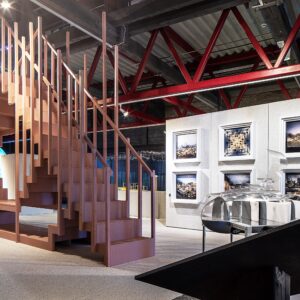
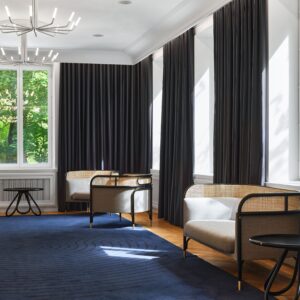
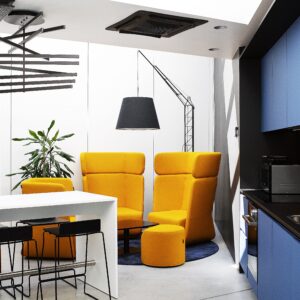
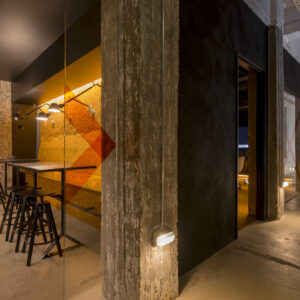
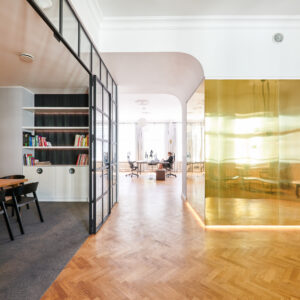
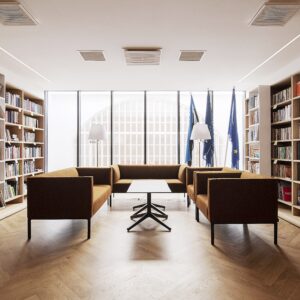
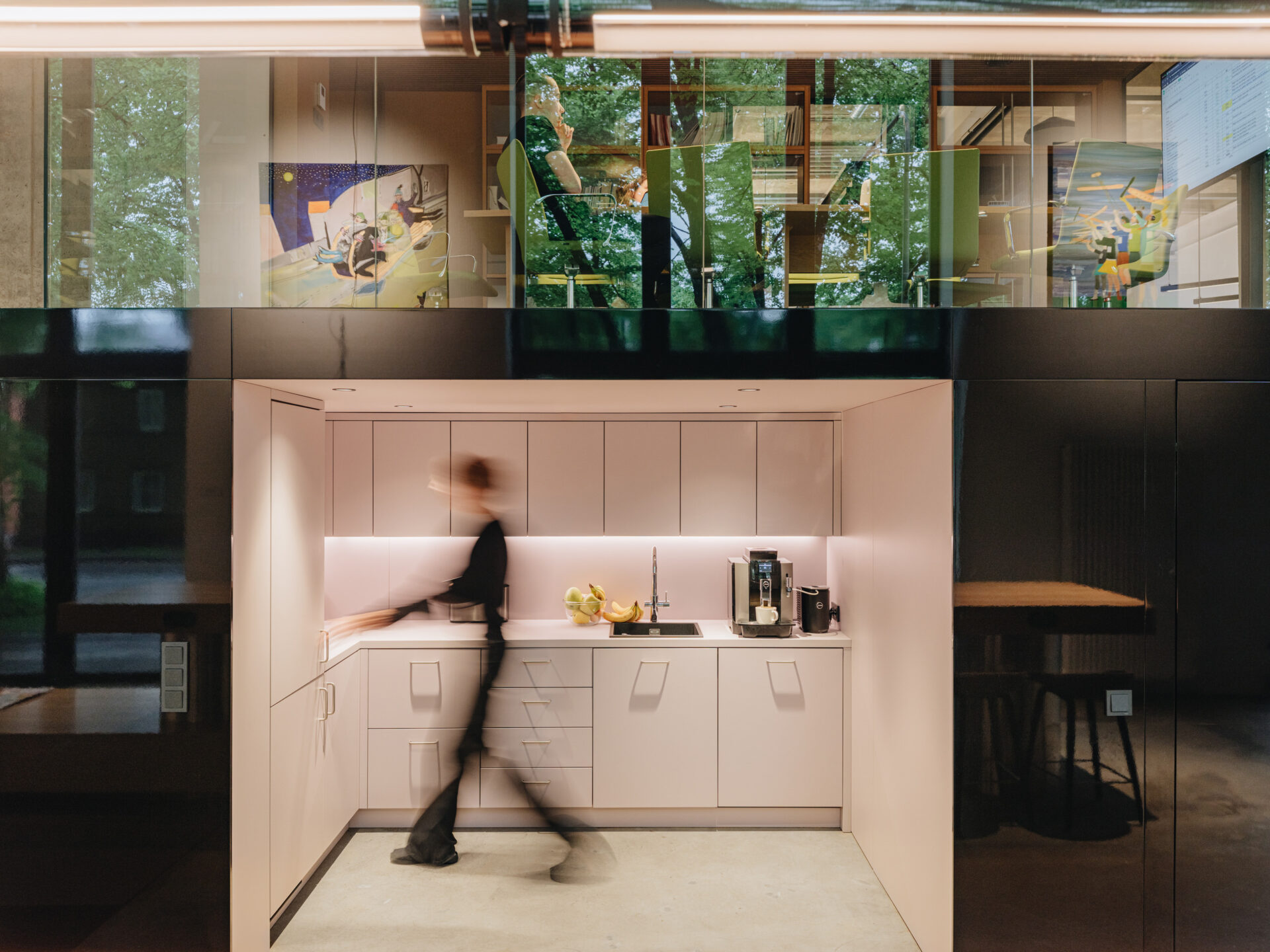
Strategic planning of the rooms was made the starting point, with an eye to the work processes at a communication agency. The material part of the offices were based on the abovementioned engineered MDF details, glossy black paint and brightly colored works by the artist August Künnapu on display in key places in the office. Bookshelves from the previous office were moved into the new meeting rooms, where the contrasts between old and new entered into a dialogue: worn and fresh, pink and green, matte and glossy.