


























































































































 80
80 

 TAGASI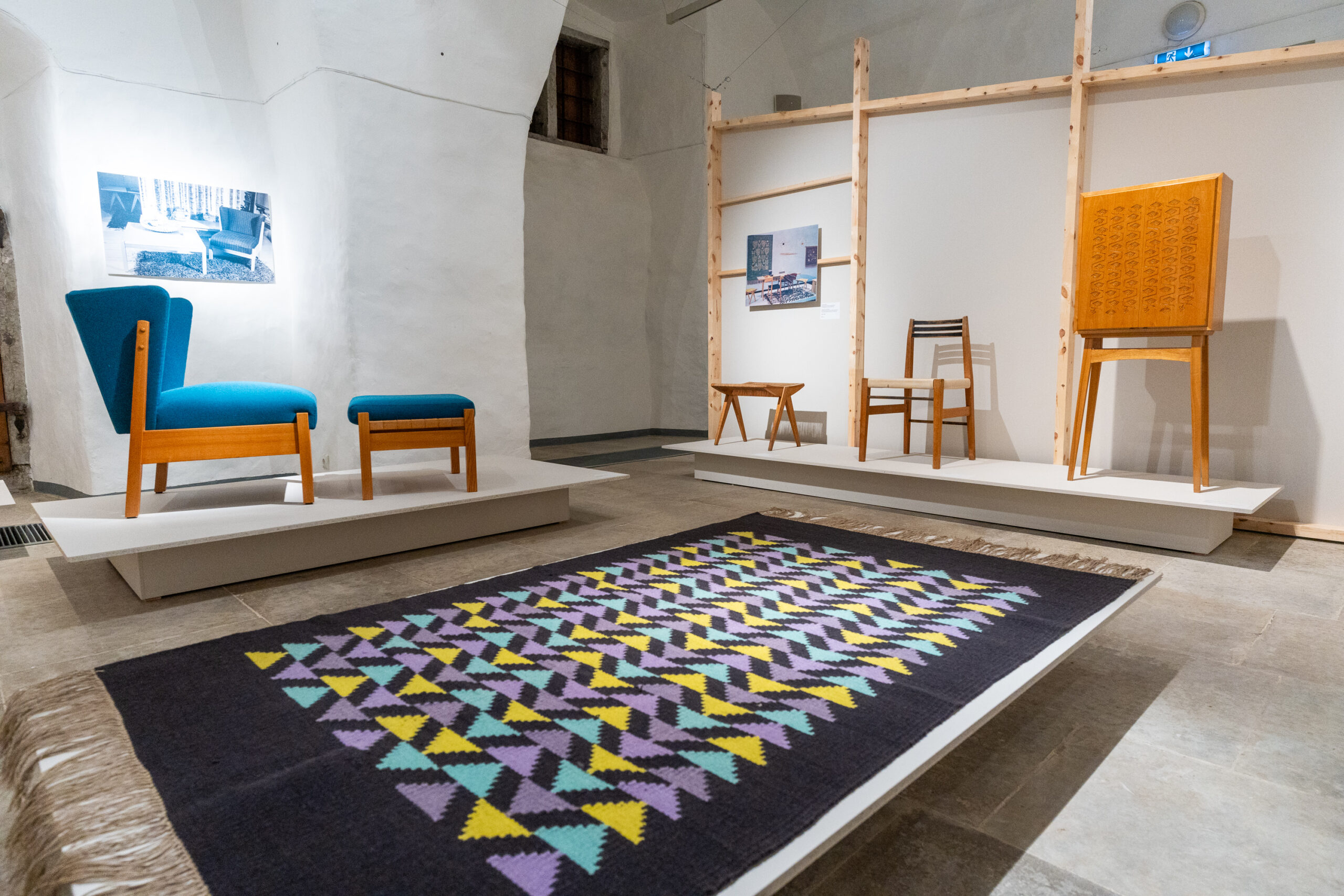
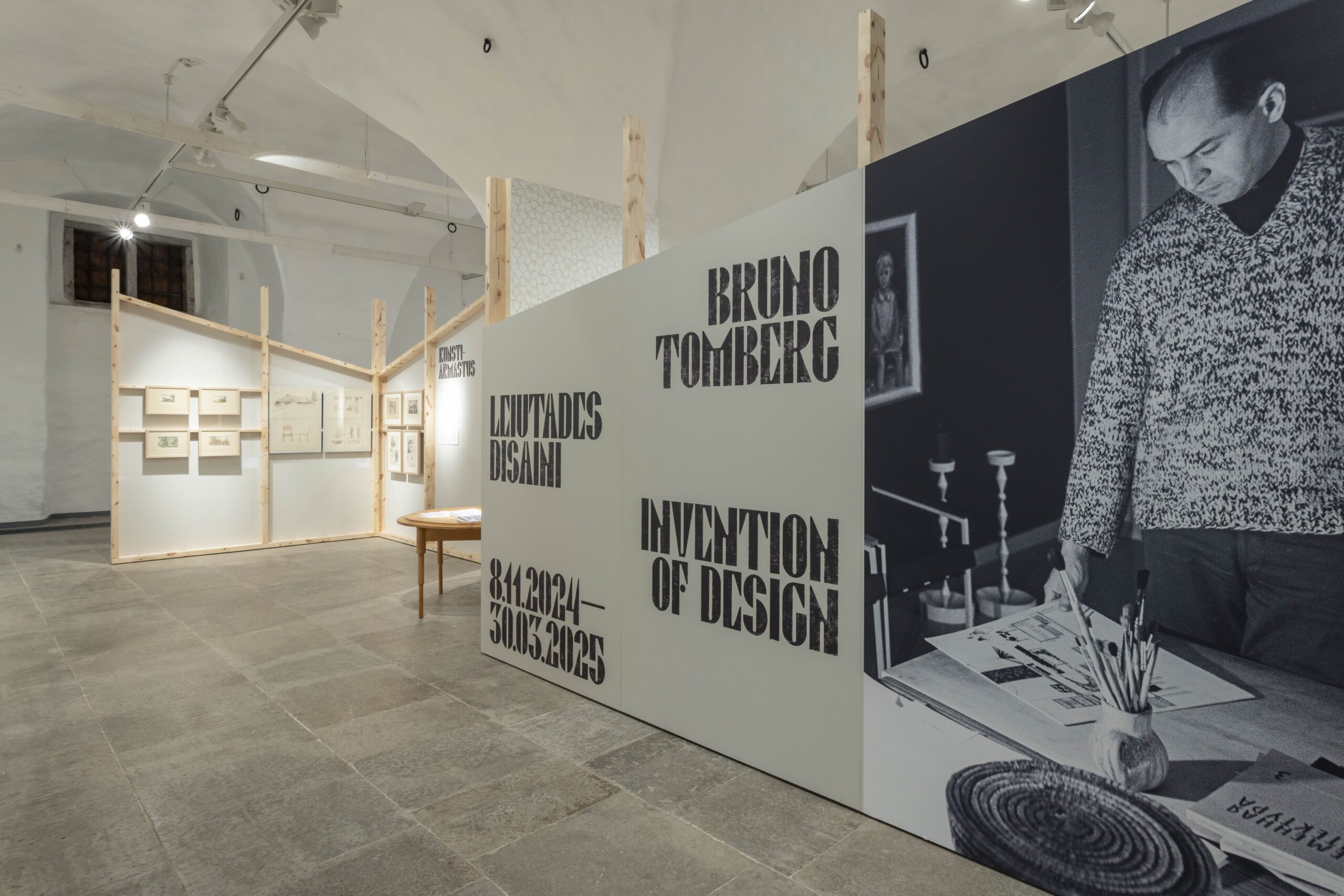
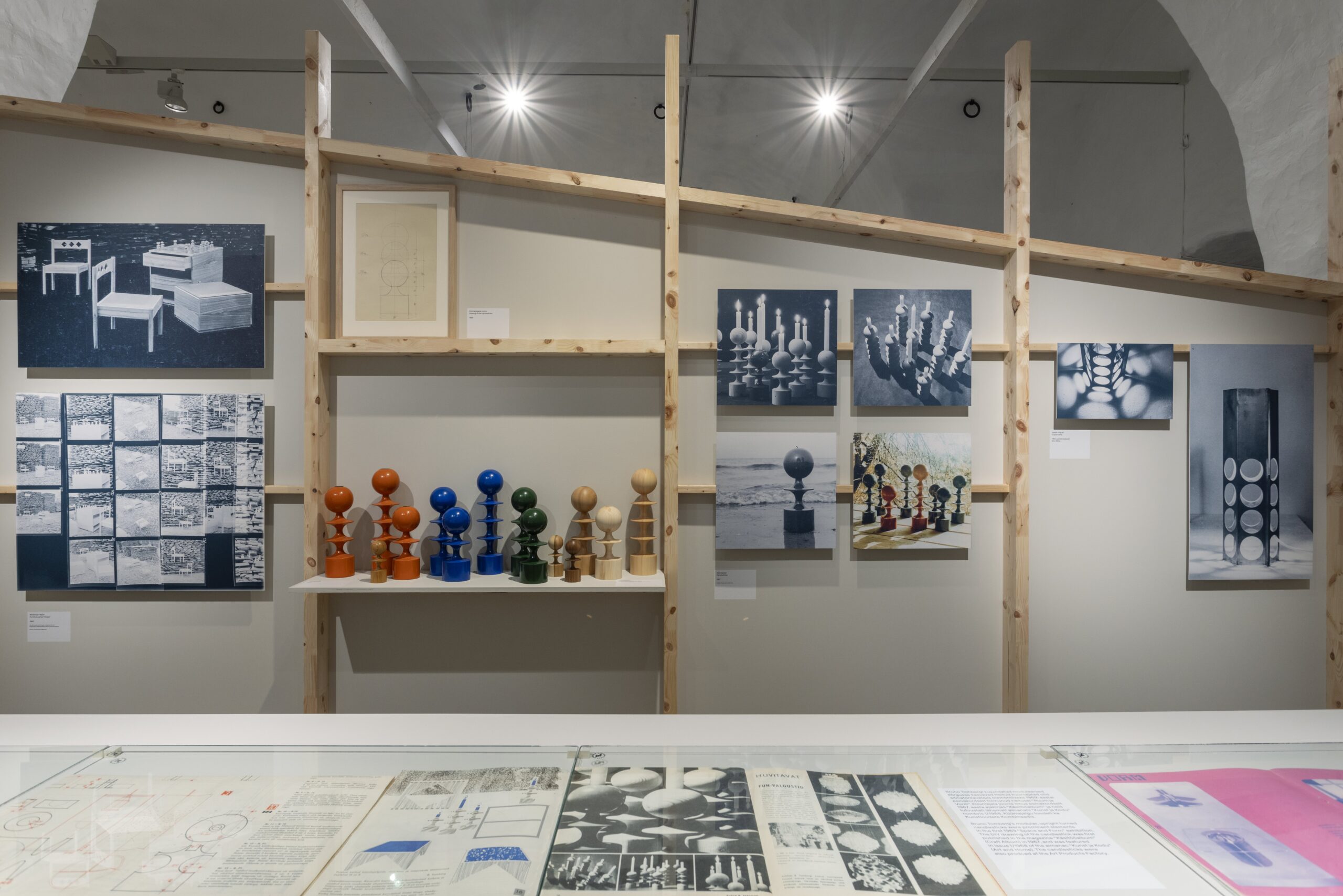
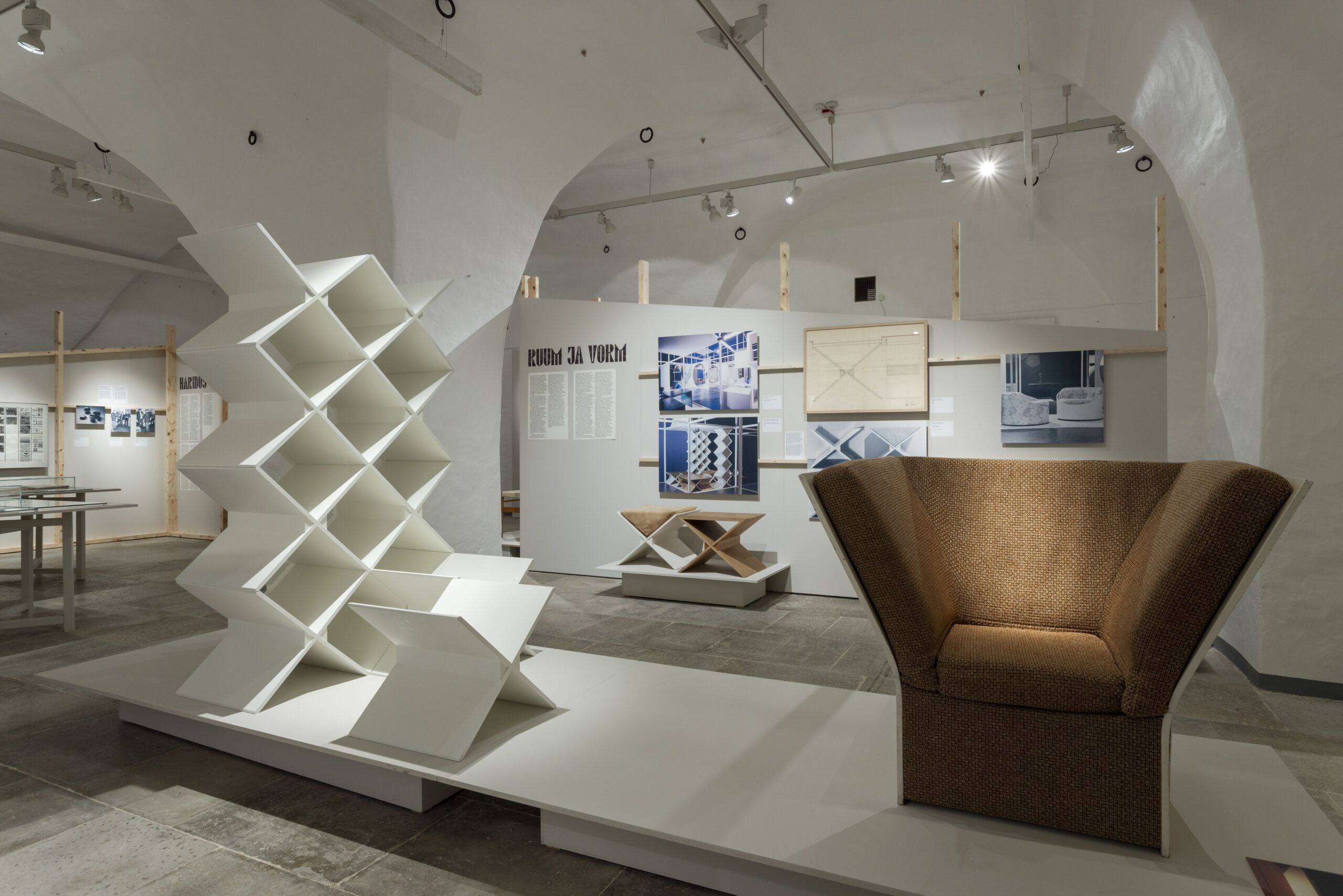
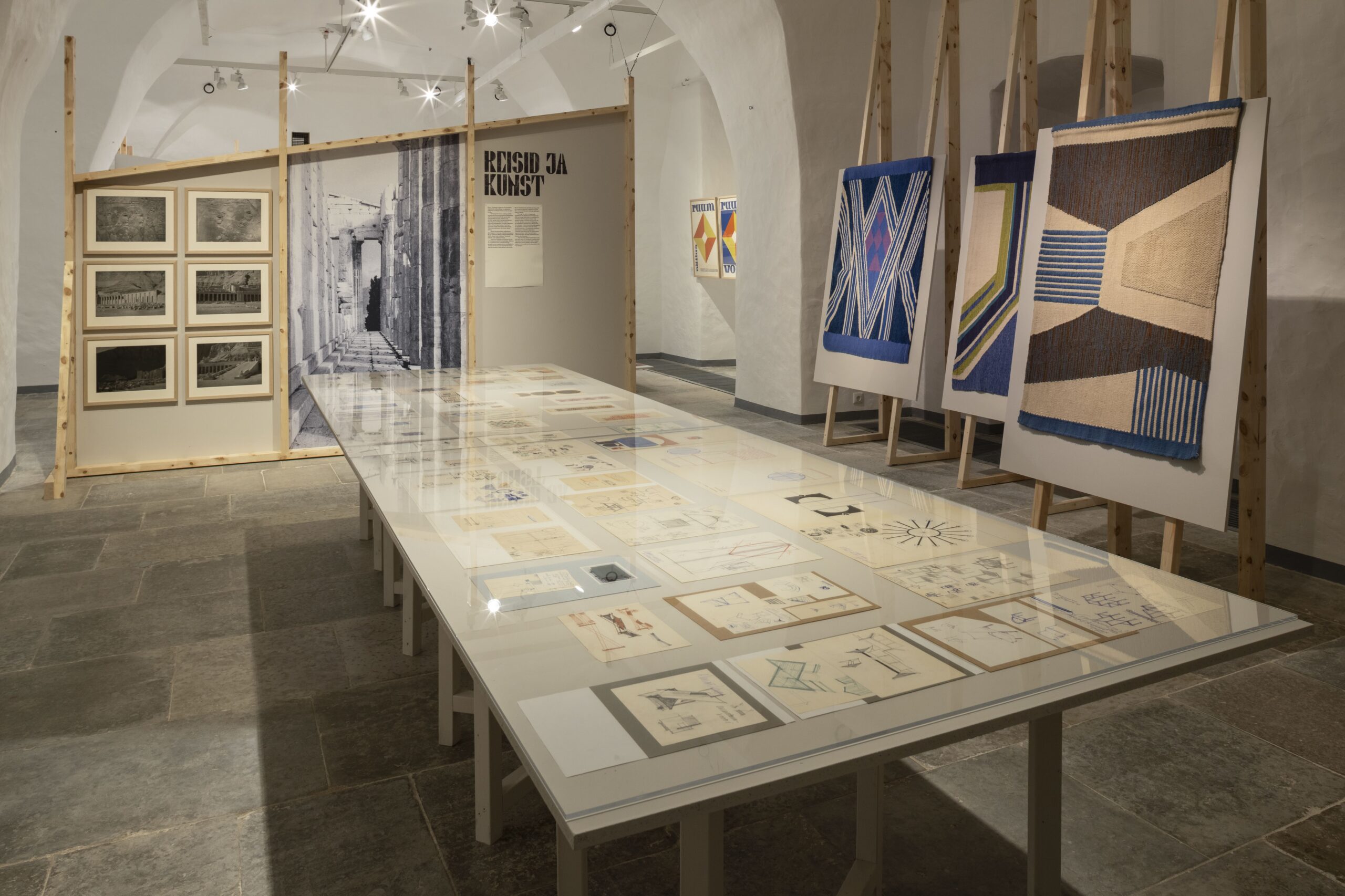
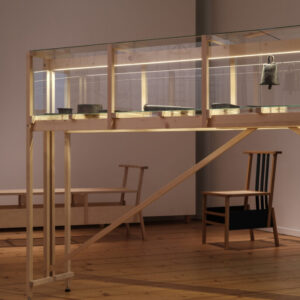
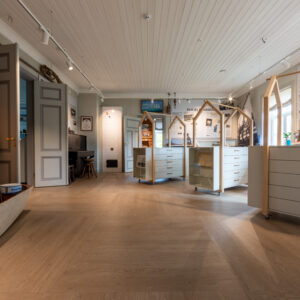
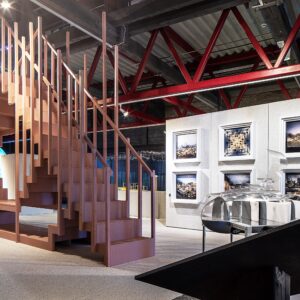
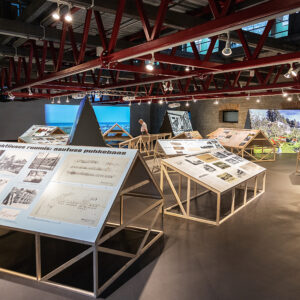
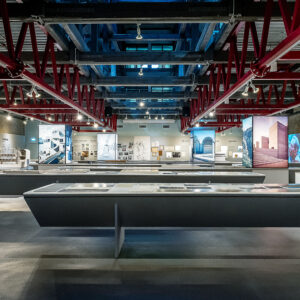
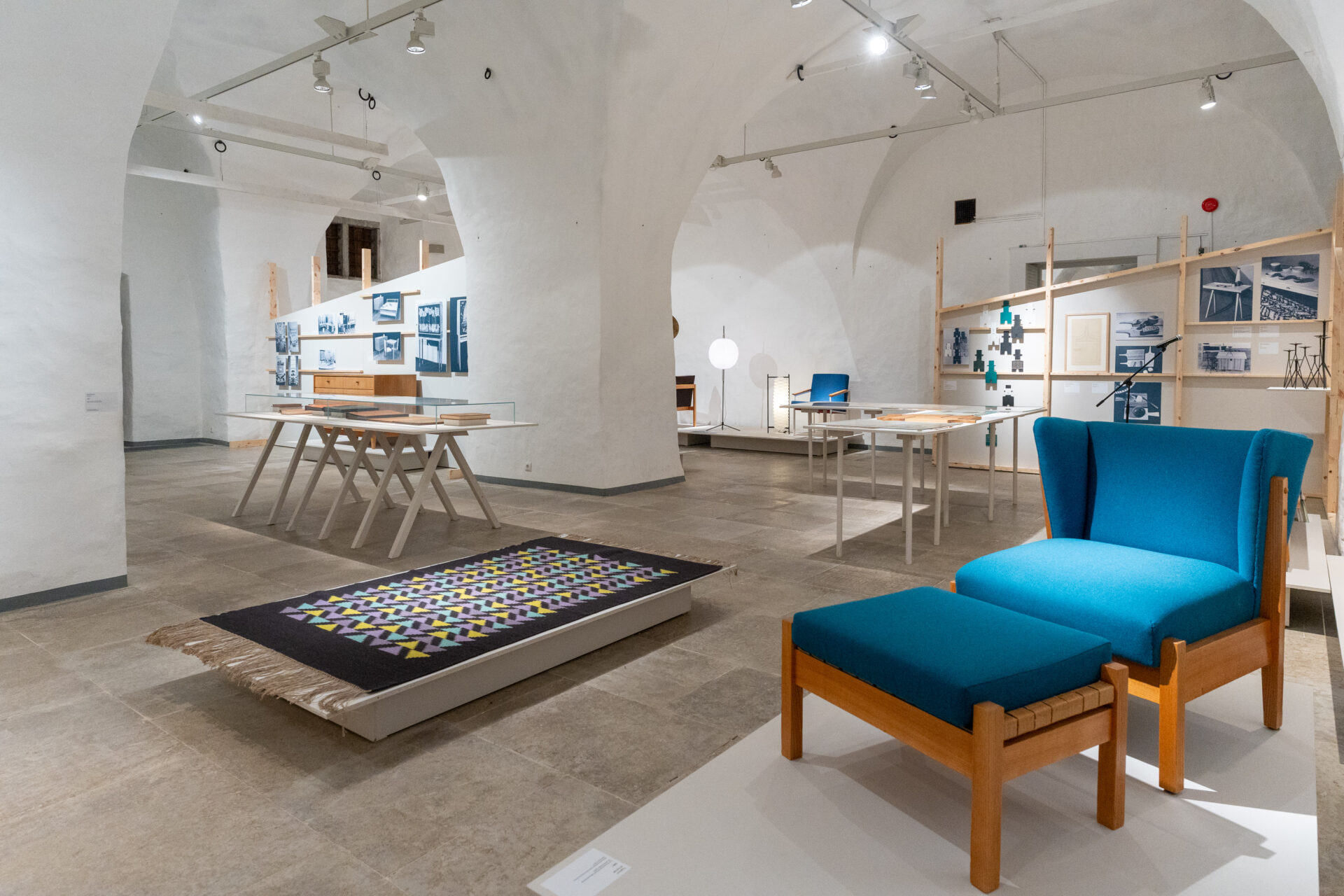
The study of Bruno Tomberg features a revolutionary period in the Estonian design history as well as the activities of a highly relevant figure in the field as an author, lecturer and spokesperson for the profession. The project provides an overview of Tomberg’s career over nearly 60 years, exploring for the first time in greater depth his role as both designer and educator and bringing to the public a wealth of previously unknown and undisplayed materials in the form of an exhibition and a book.
Bruno Tomberg (1925–2021) was an interior architect, designer, artist and lecturer, a leading voice in Estonian design during its intense development from the early 1960s onward. His creative, educational and administrative activities embody also the history of Estonian applied art and design.
Design education in Estonia began with the establishment of the industrial art programme at the State Art Institute in 1966. Tomberg played an instrumental role in the curriculum development by creating content, defining the concept of design and steering the discipline’s development while also introducing both historical features and future perspectives By incorporating new information and concepts, Tomberg led the transformation of the new field into industrial arts and design. As he pointed out himself, the conceptual and formal possibilities for the field’s development were remarkably limited and rather random at that time. And thus, his unwavering ambition to generate a systematic body of knowledge has been all the more valuable to this day.