Summer 2025 marked 45 years since the Tallinn Olympic sailing events, held as part of the 22nd Summer Games in Moscow. Organizing the regatta meant extensive development and construction, which is why the decade leading up to 1980 has taken on special significance in the local history of architecture. The spate of Olympic construction was intended to quickly modernize the city’s appearance and Tallinn changed considerably as the regatta drew closer.
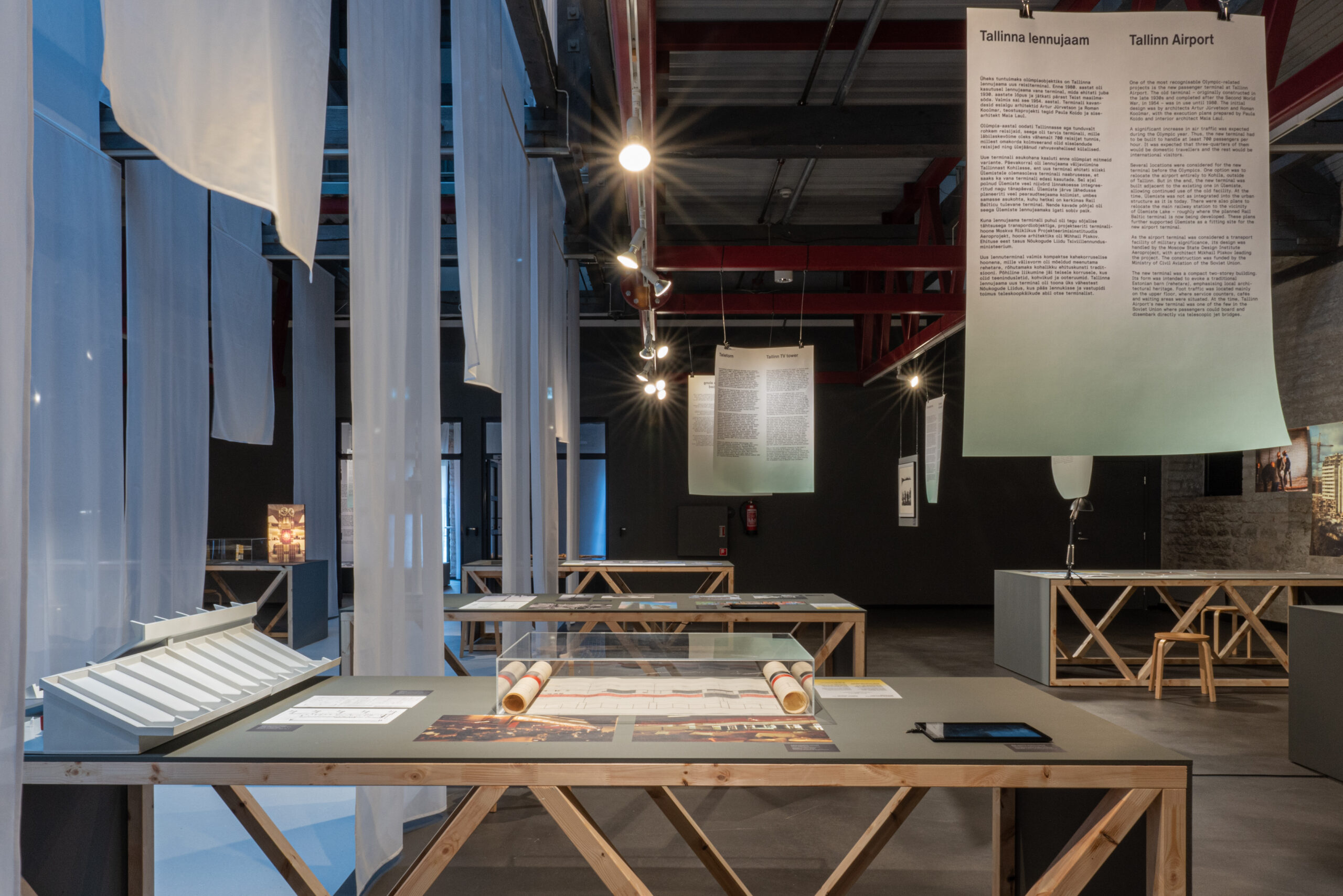
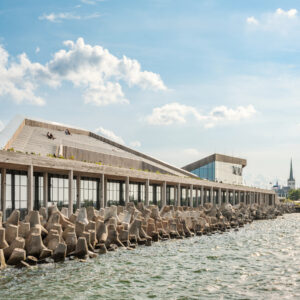
Many iconic buildings were completed by the time of the sailing races: the Olympic Yachting Centre in Pirita, the Olümpia Hotel and the new Tallinn Airport terminal. In addition to Olympic facilities, new housing, office buildings, healthcare institutions and cultural edifices also went up, the handiwork of Estonian architects, interior architects and engineers. Despite the Soviet-era conditions, local Estonian leaders attempted to use the Olympic momentum to improve the standard of living in the then-occupied country. A total of 120 architectural sites were planned in the course of the Olympic construction period, some of which were ready by summer 1980, and others erected later, with some that never made it past the drawing board. Besides architecture and urban planning, design was also a focus – seen in the urban space, everyday objects and poster art.
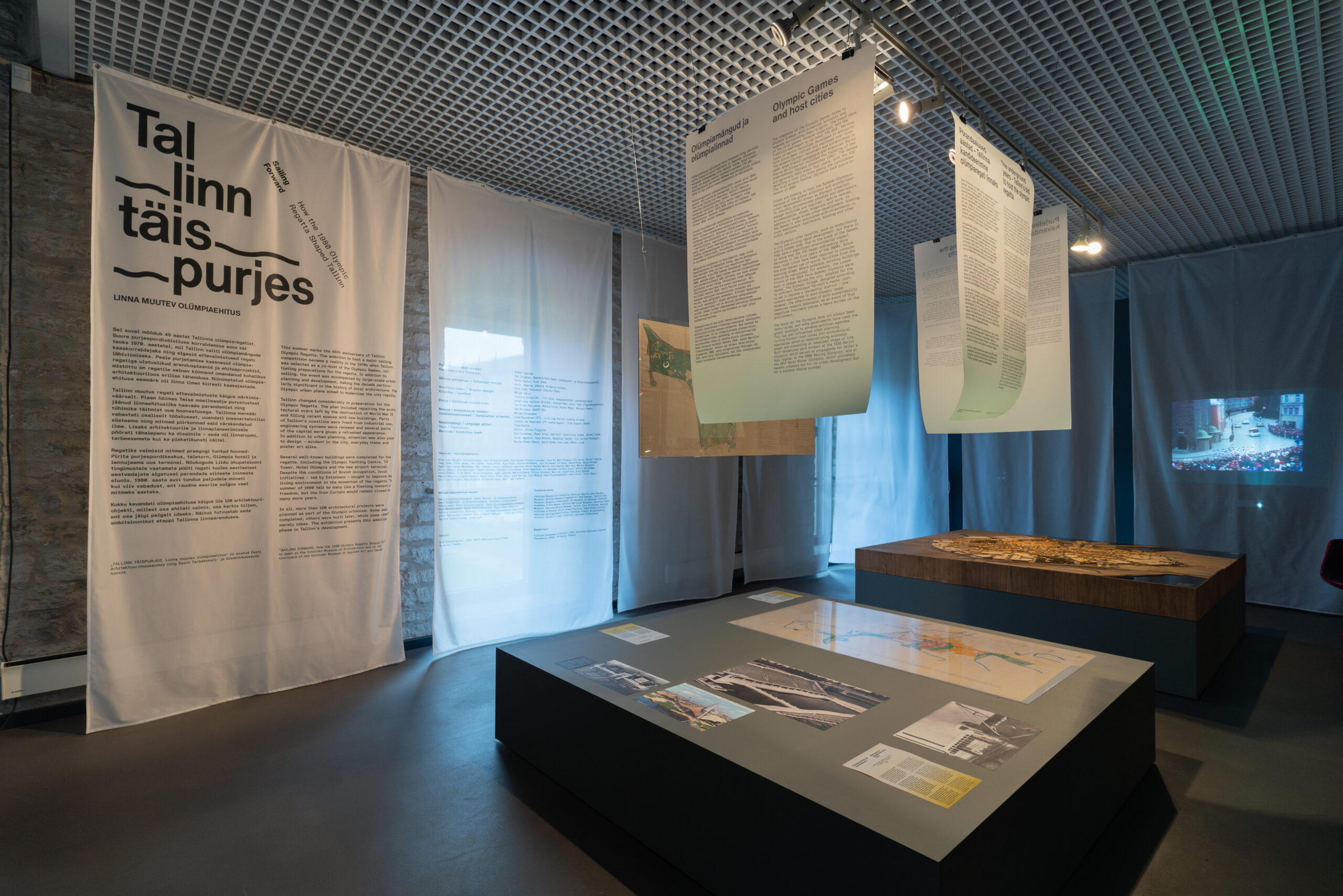
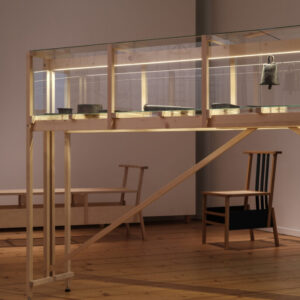
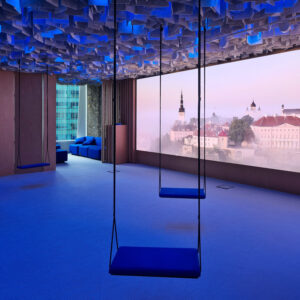
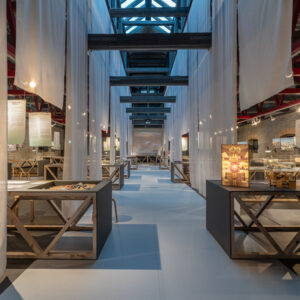
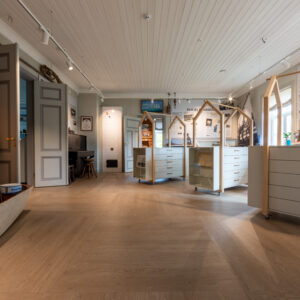
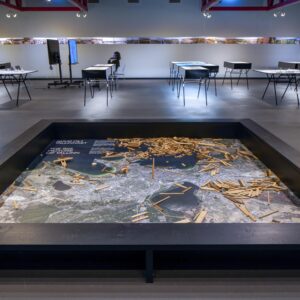
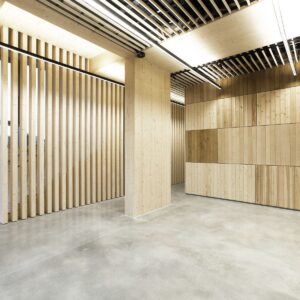
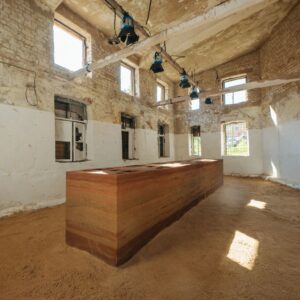
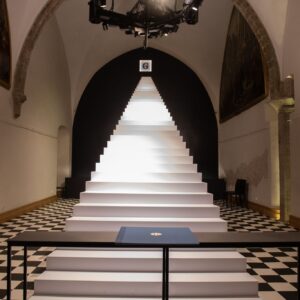
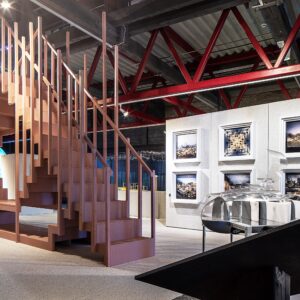
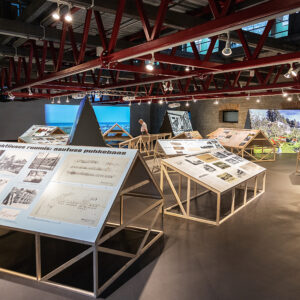
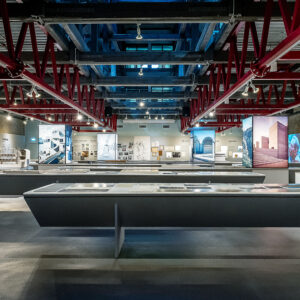
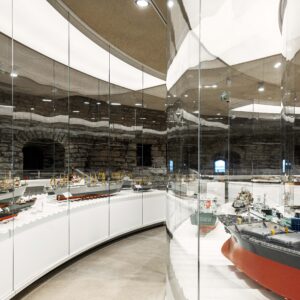
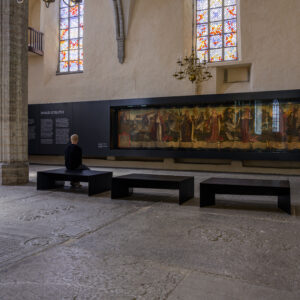
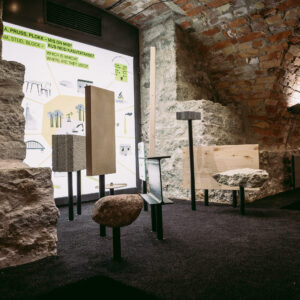
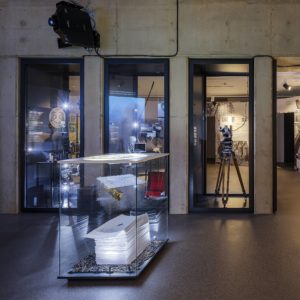
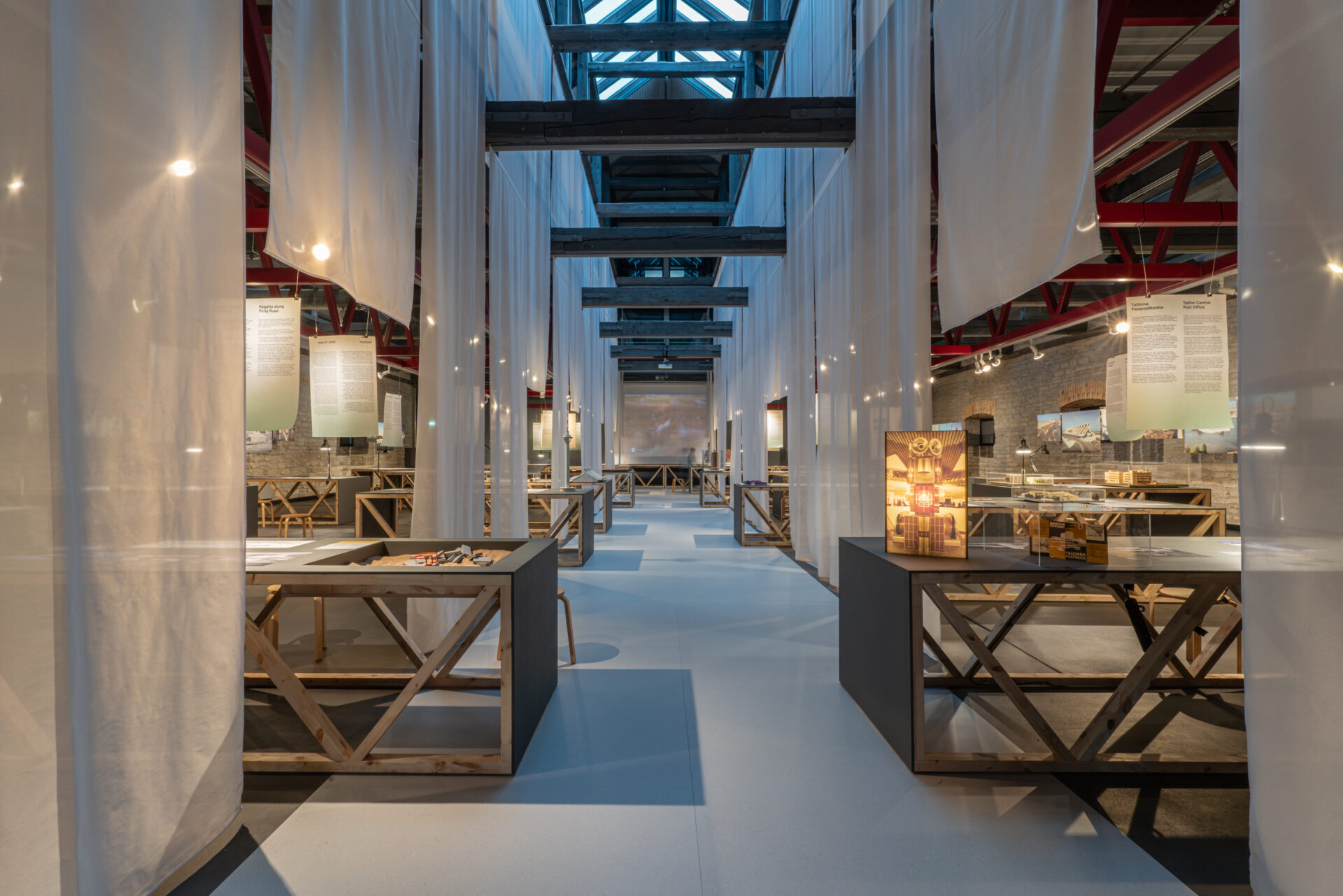
“Sailing Forward” introduces this ambitious phase in Tallinn’s development. The exhibition space was largely inspired by summer 1980, directly referencing sailing and the then innovative urban design techniques. The exhibition design also conveyed the emotions prevalent during the Olympic summer in Tallinn – a period that offered many people a fleeting taste of freedom, before the Iron Curtain was drawn again for many years.
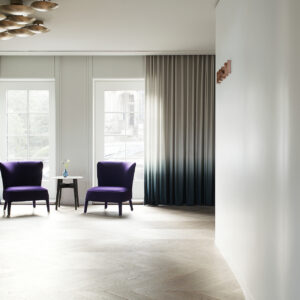
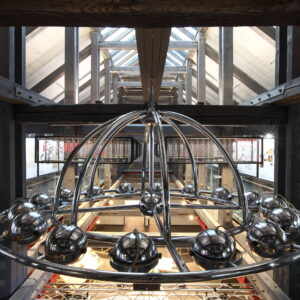
The architects from Stuudio TÄNA designed six-metre-long textiles as the main element of the exhibition in a conceptual reference to sails that symbolized the spirit of that summer. The textiles were also a homage to the work of the Linnakujundusgrupp urban design collective, whose Western-inspired, airy architectonics made of seaweed-harvesting mesh are embedded in our architectural history. With their clearly articulated design elements, the exhibition architects succeeded in building a bridge between summer 1980 and the present day.
Ruumipilt 2025
The exhibition celebrated the 45th anniversary of Tallinn Olympic Regatta. The ambition to host a major sailing competition became a reality in the 1970s when Tallinn was selected as a co-host of the Olympic Games in Moscow and preparations for the regatta could begin. In addition to sailing, the event also included large-scale urban planning and development initiatives, making the decade particularly significant in the history of local architecture. The urban plans aimed to quickly modernise the look of the city.
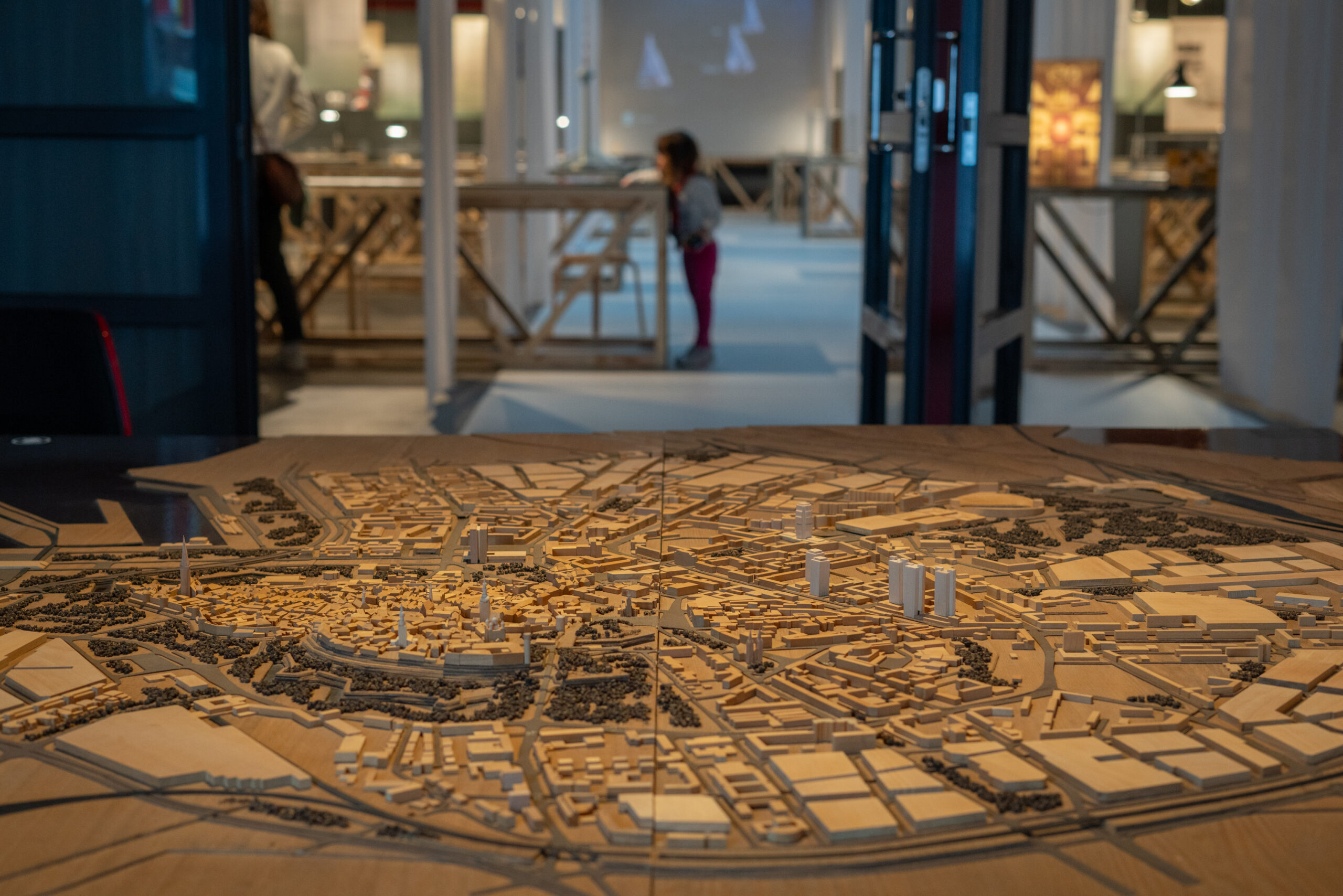
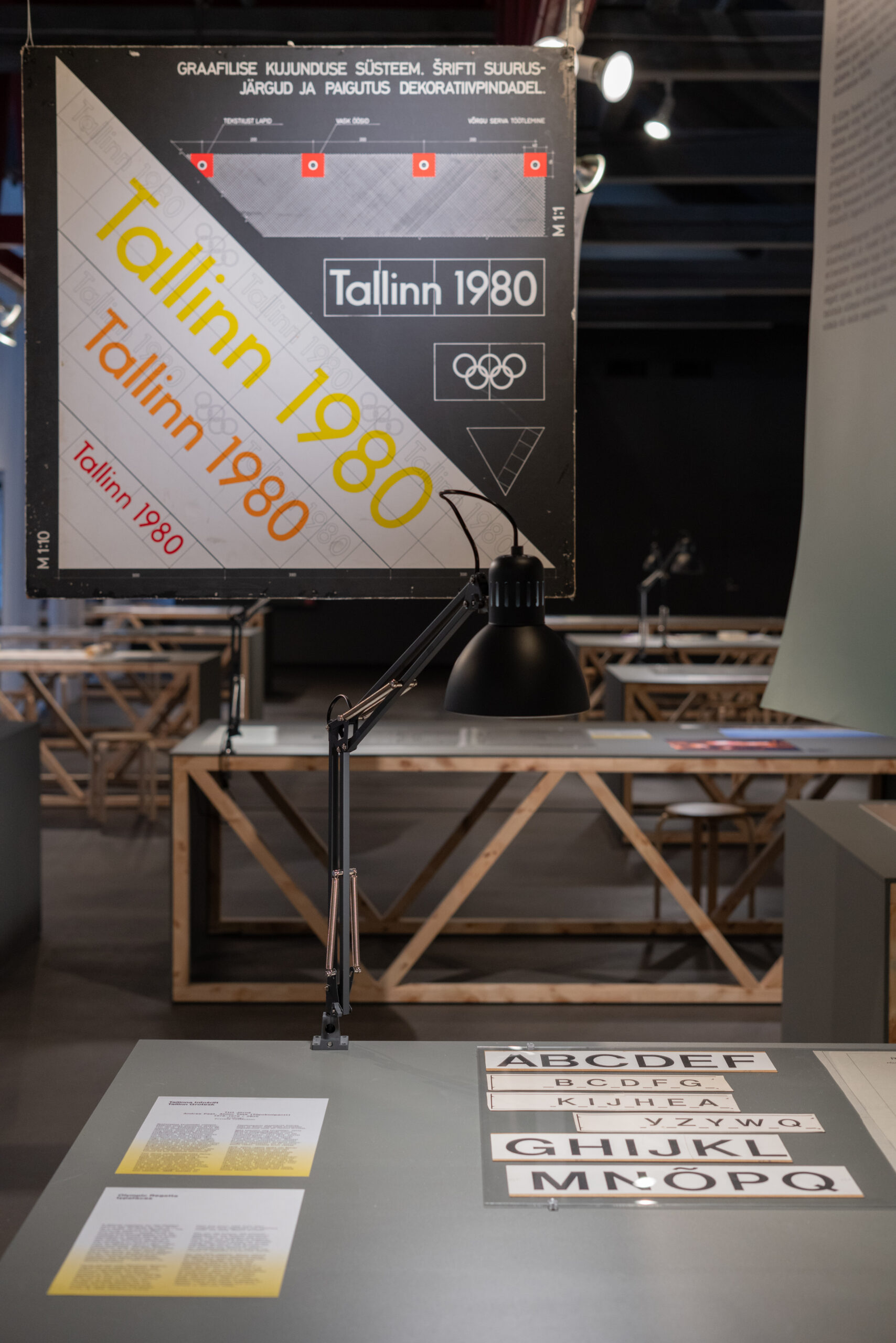
Tallinn changed considerably in preparation for the event. The plan included repairing the architectural scars left by the destruction of World War II and filling the gaps with new buildings. The coastline of Tallinn was partly freed from industrial use, engineering facilities were renewed and various parts of the city given a fresh look. In addition to urban planning, attention was also paid to design – evident in the city, everyday items and poster art alike.
Several well-known buildings were completed at the time: Yachting Centre in Pirita, TV Tower, Hotel Olümpia and the new airport terminal. Despite the conditions of Soviet occupation, local initiatives – led by Estonians – sought to improve the living environment in the momentum of the regatta. The summer of 1980 felt to many like a fleeting moment of freedom, but the Iron Curtain would remain closed for many more years.
All in all, more than 120 architectural projects were planned as part of the initiative, with some of them completed, others built later, while some remained merely ideas. The exhibition was based on Grete Tiigiste’s MA thesis of the same title featuring the Olympic Games construction initiatives as an ambitious stage in the urban development in Tallinn.
Estonian Architecture Awards 2025









































 97
97 

 TAGASI