















 120
120 

 TAGASI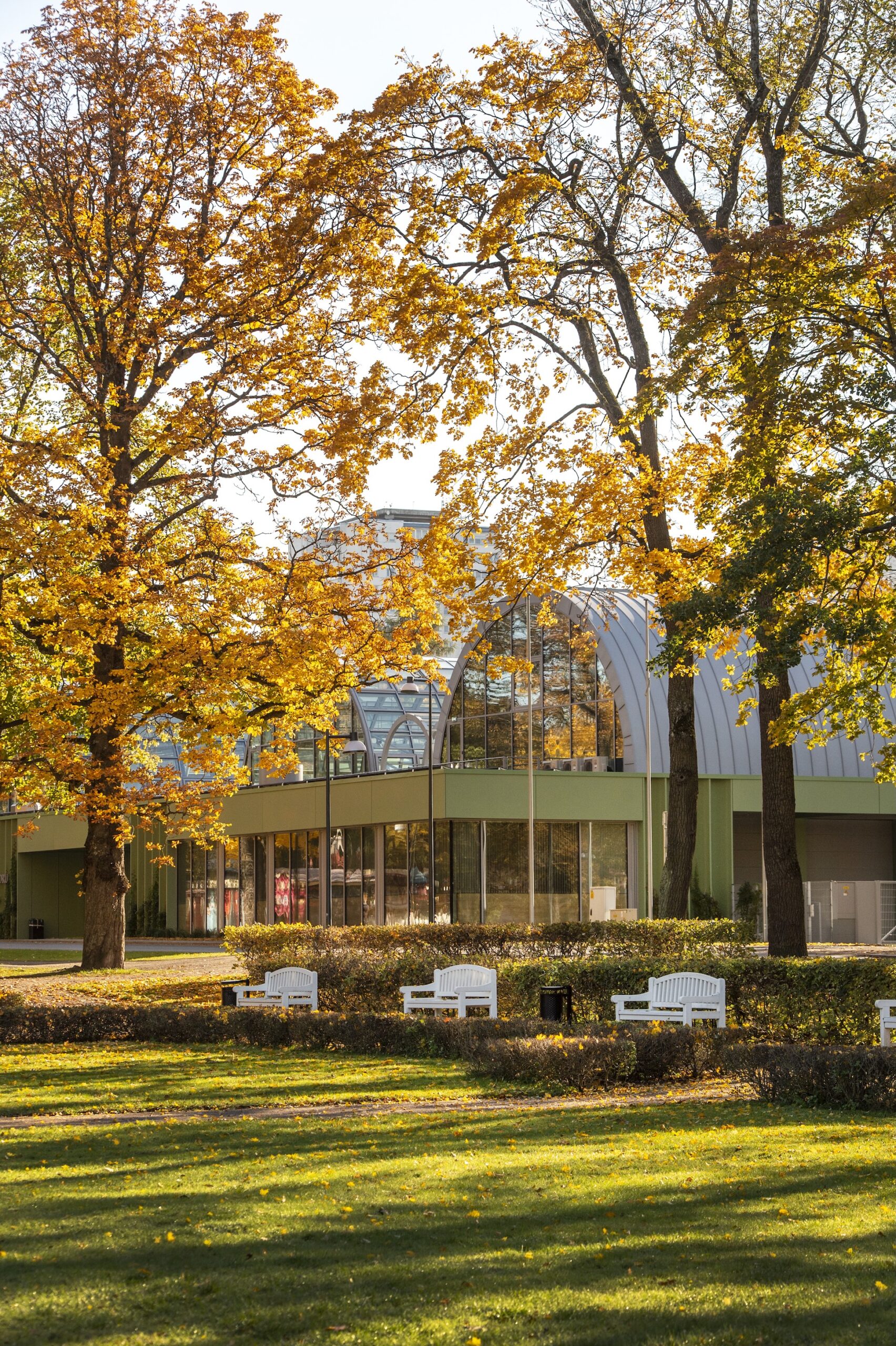
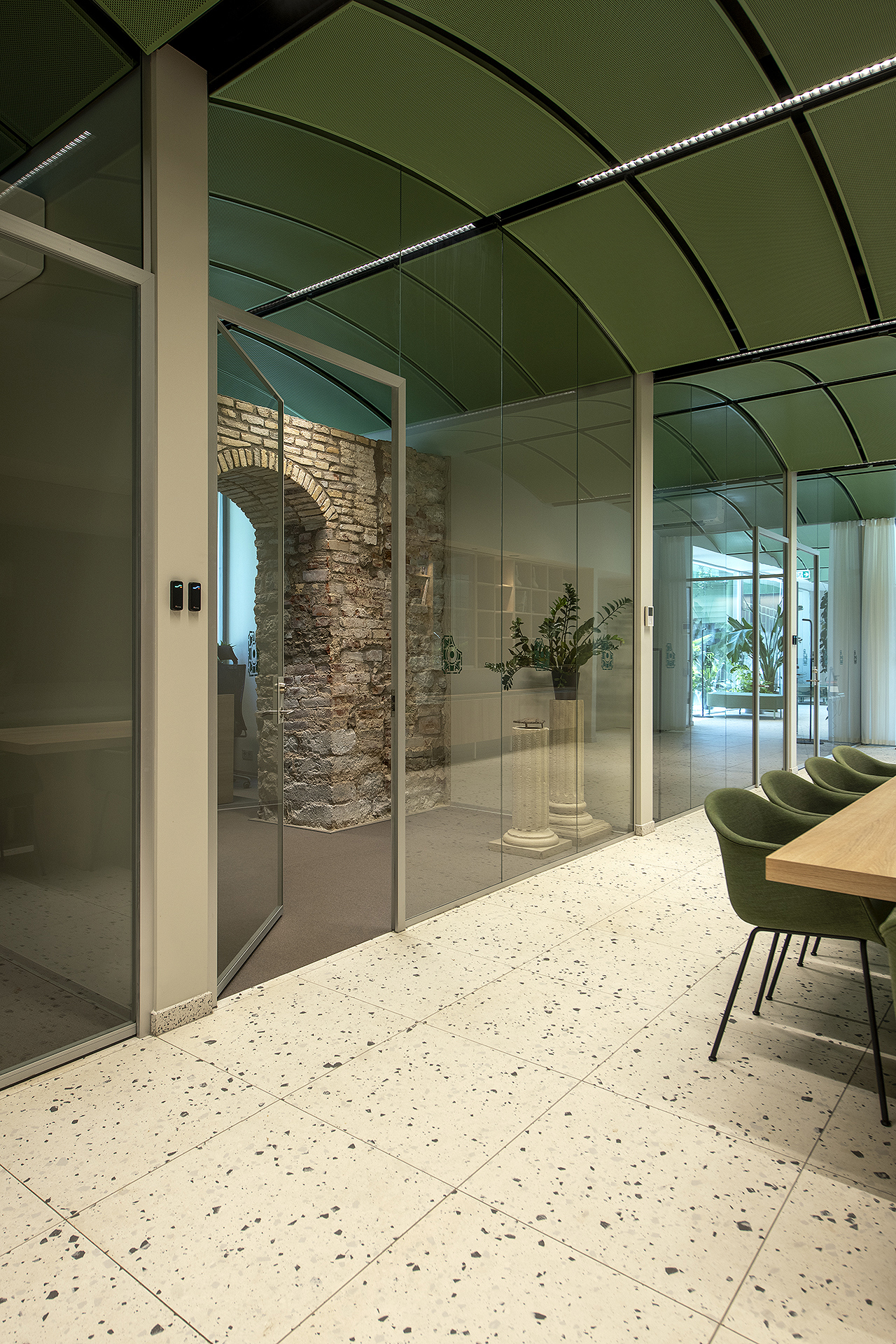
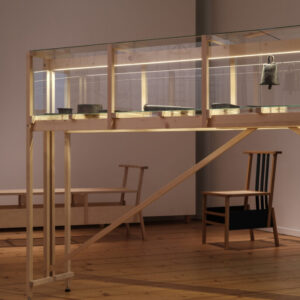
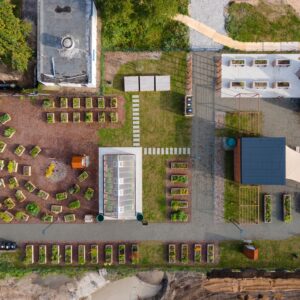
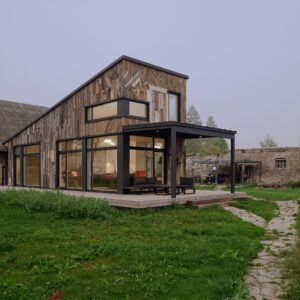
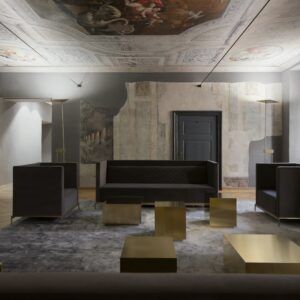
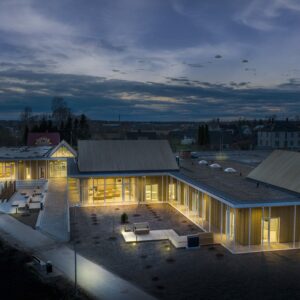
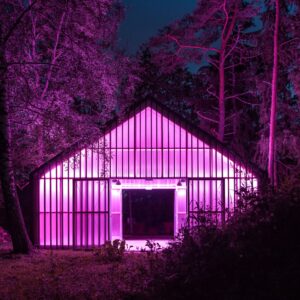
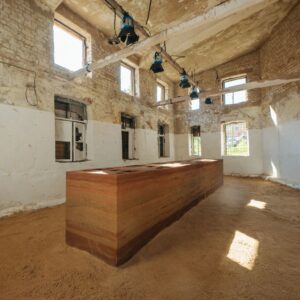
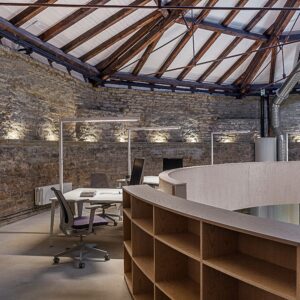
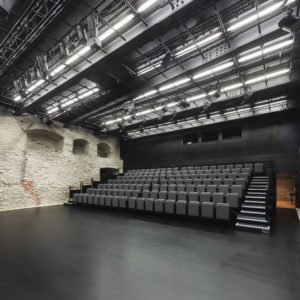
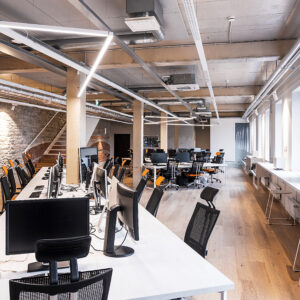
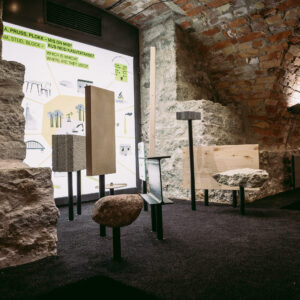
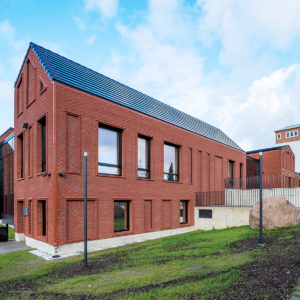
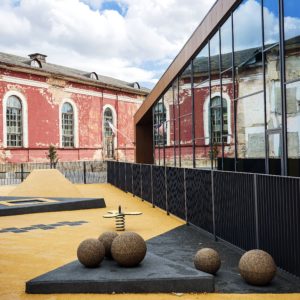
The gardener’s house or orangery is designed in the historical location of the original greenhouses from the early days of the palace complex. A section of the limestone wall of the oldest greenhouse in Koidula Street has been preserved and exhibited in the offices of the new building.
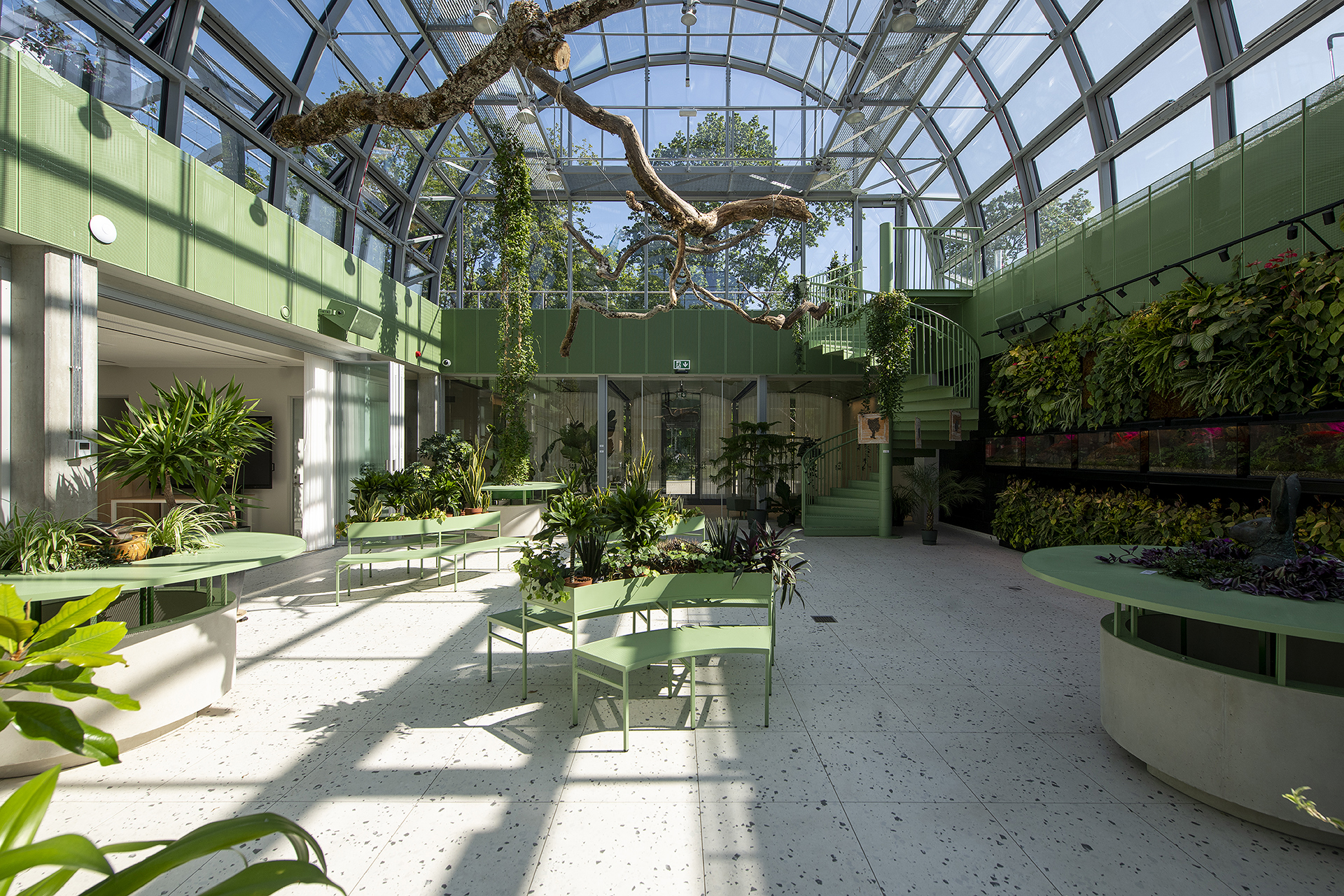
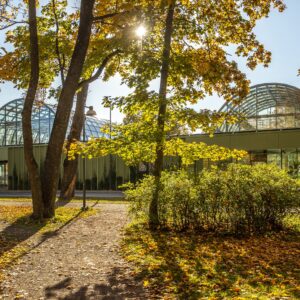
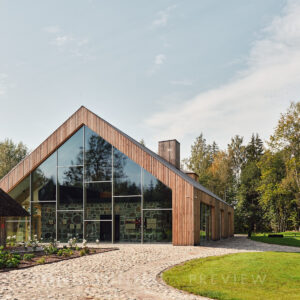
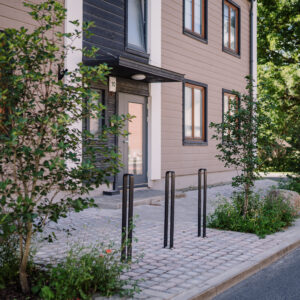
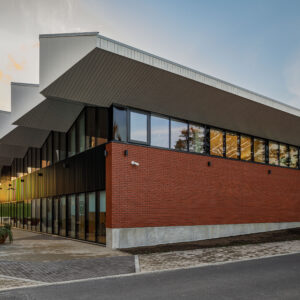
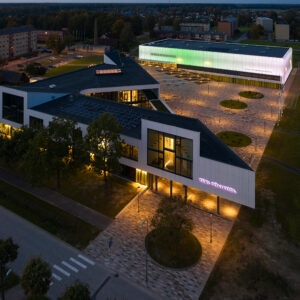
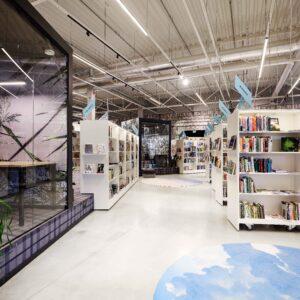
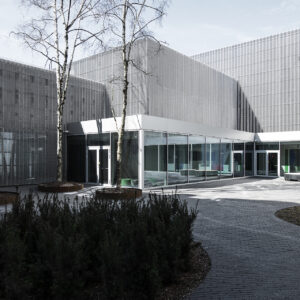
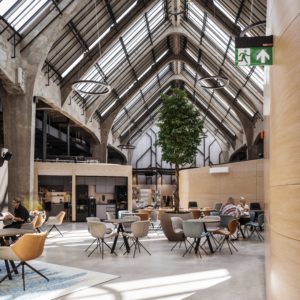
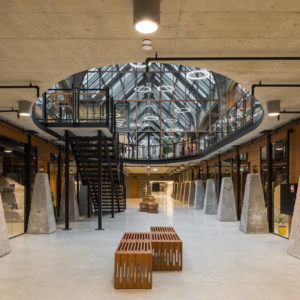
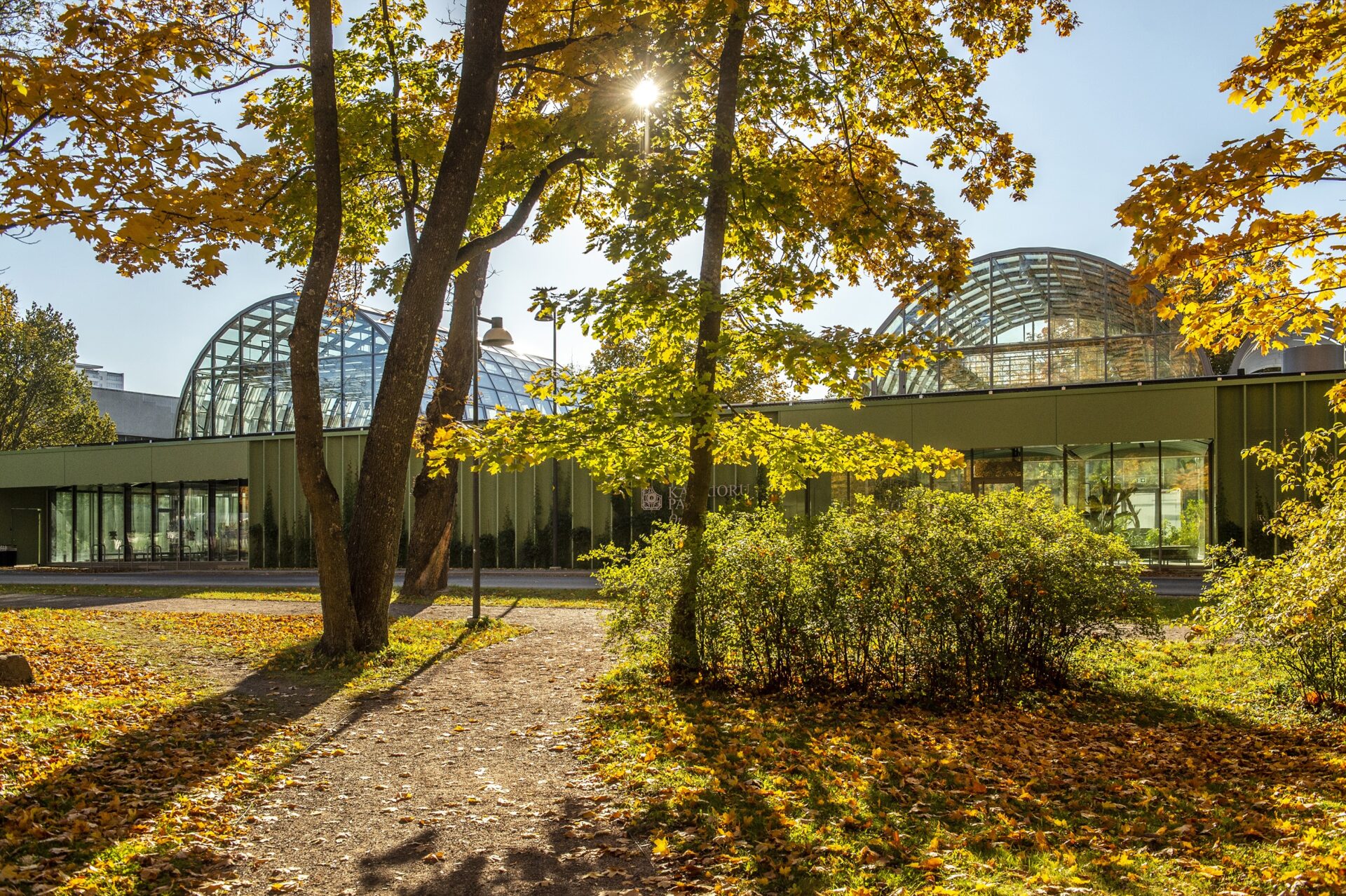
The highly functional building has been largely shaped by the arched composition of historical references supported by a one-storey pavilion volume. The high arched volumes, including a conservatory, workshop and greenhouse, take a step back from the street line, leaving the indoor activities nevertheless observable through the stained glass and the lobby. The essence of the orangery is reflected in the ample use of glass, while the exterior and interior spaces make use of green hues. The metal façade and fence are blended together with 3D façade elements and climbers.
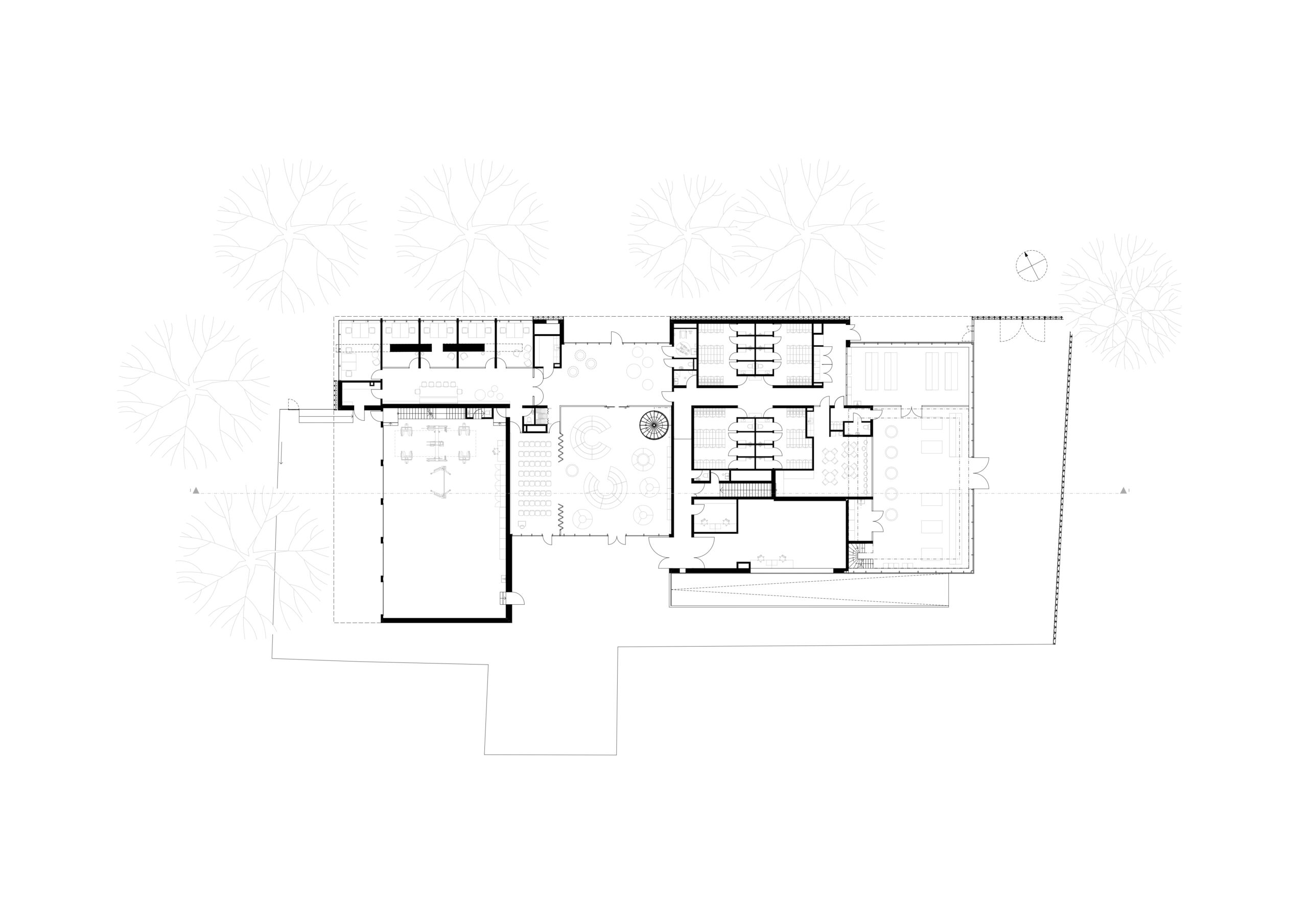
Similarly to all other buildings in the palace complex, the orangery consists of three sections. One of them houses the work facilities for the gardeners, offices, training areas and the workshop. The second includes the conservatory and storage for plants brought indoors for the winter. The third block is a greenhouse for cultivating plants to be used in the park in the summer season.
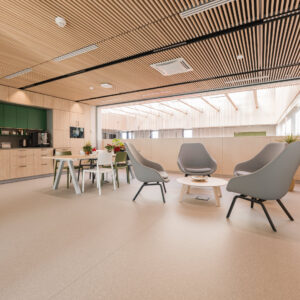
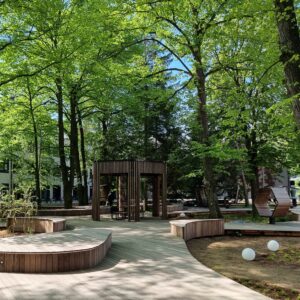
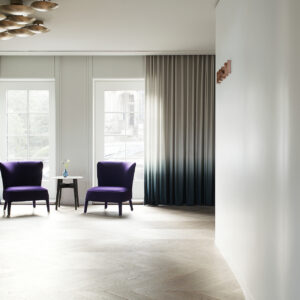
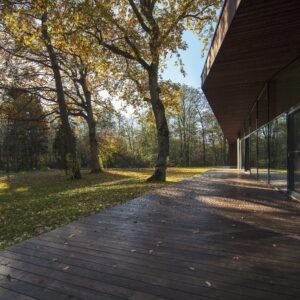
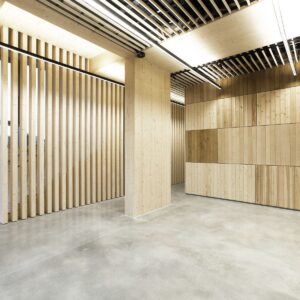
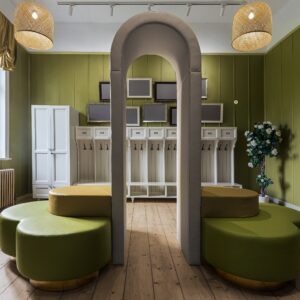
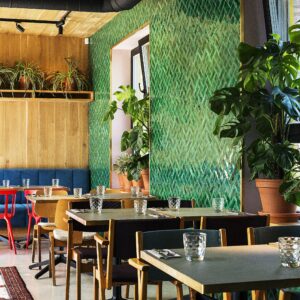
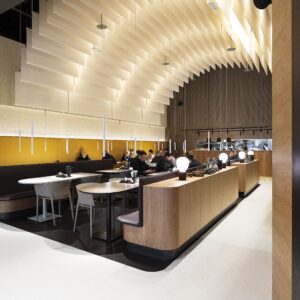
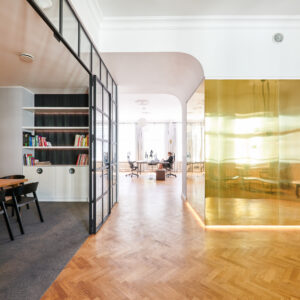
The interior design aimed to establish a strong connection with the park and thus the arched ceiling motifs, materials and colours are transferred from the outside to the inside.
The special requirements of plant cultivation gave rise to a series of specific challenges and in addition to air humidity, ventilation and temperature control, extra attention was paid to shading and lighting as well as to minimizing the building operating costs.