














 302
302 

 TAGASI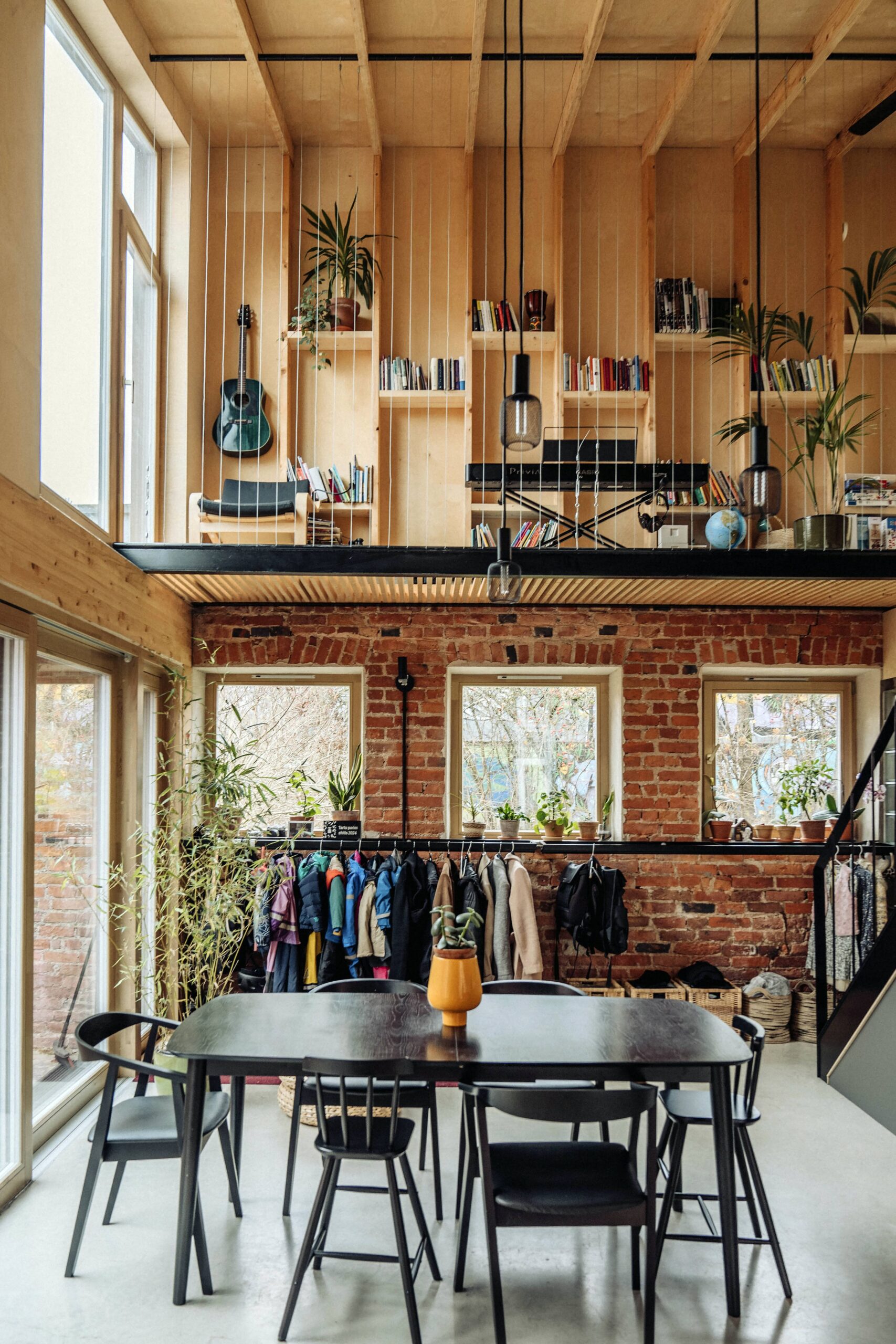
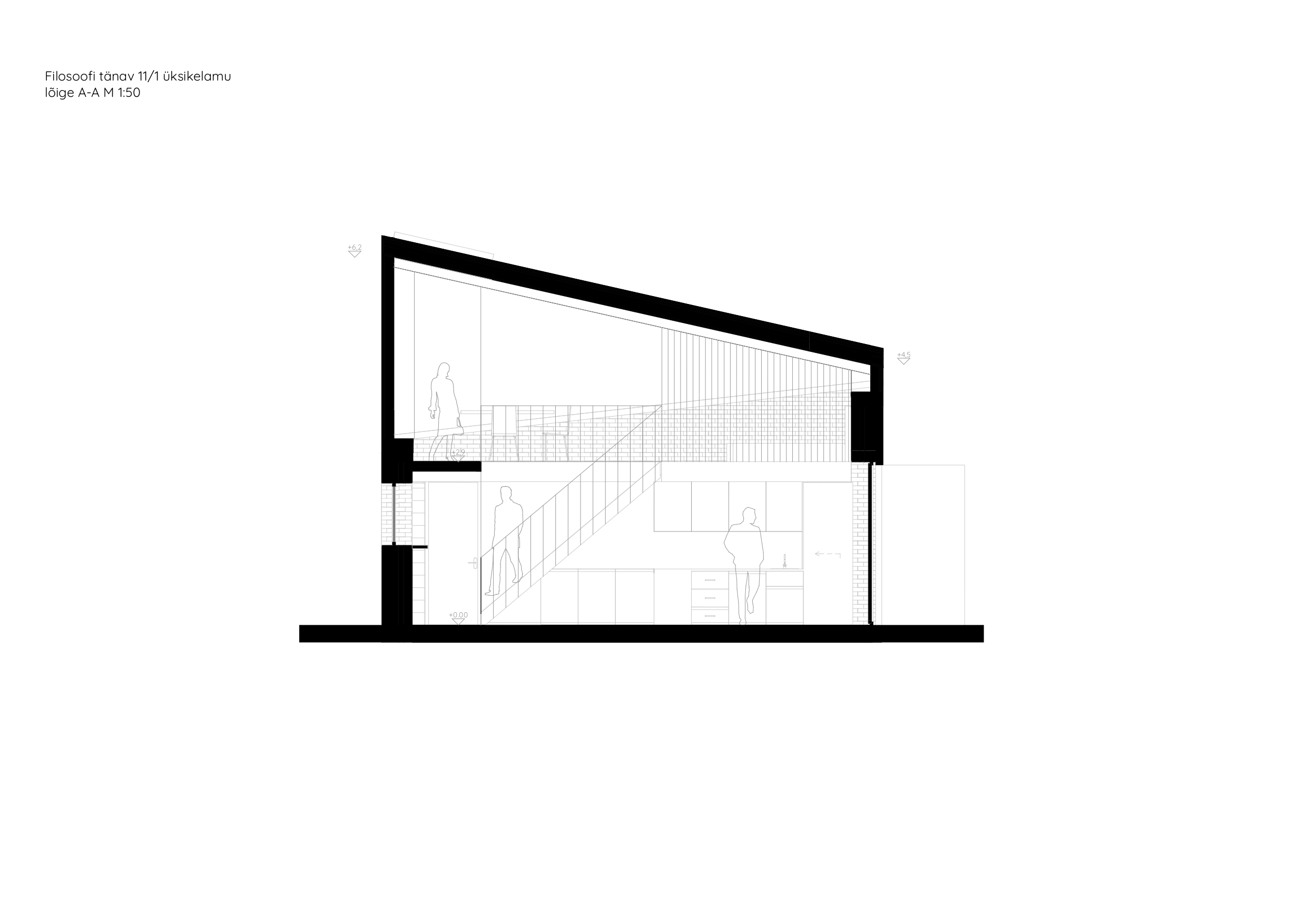
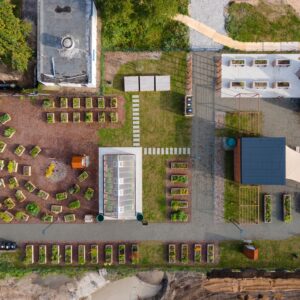
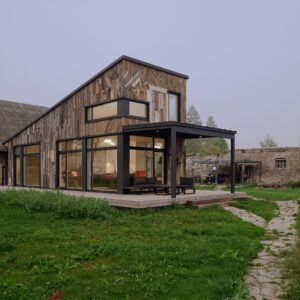
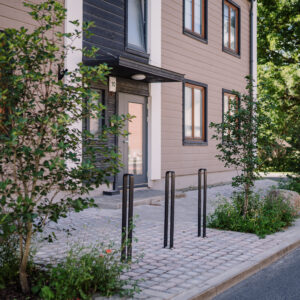
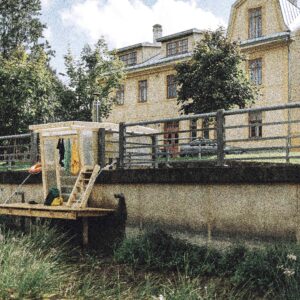
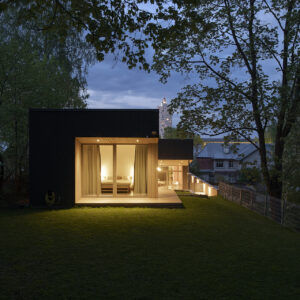
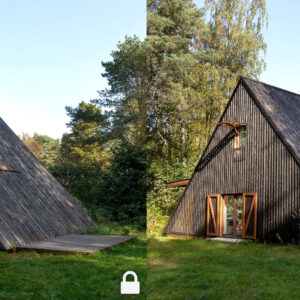
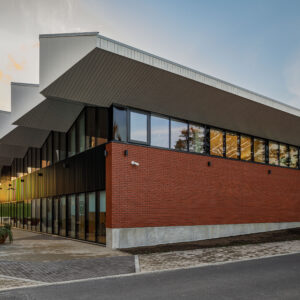
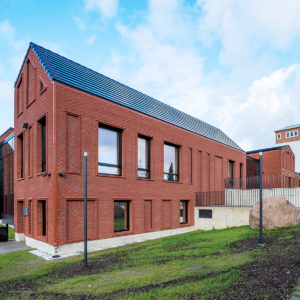
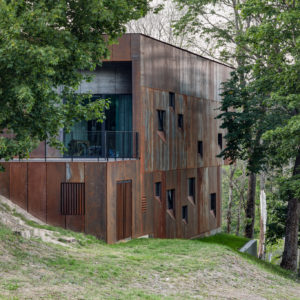
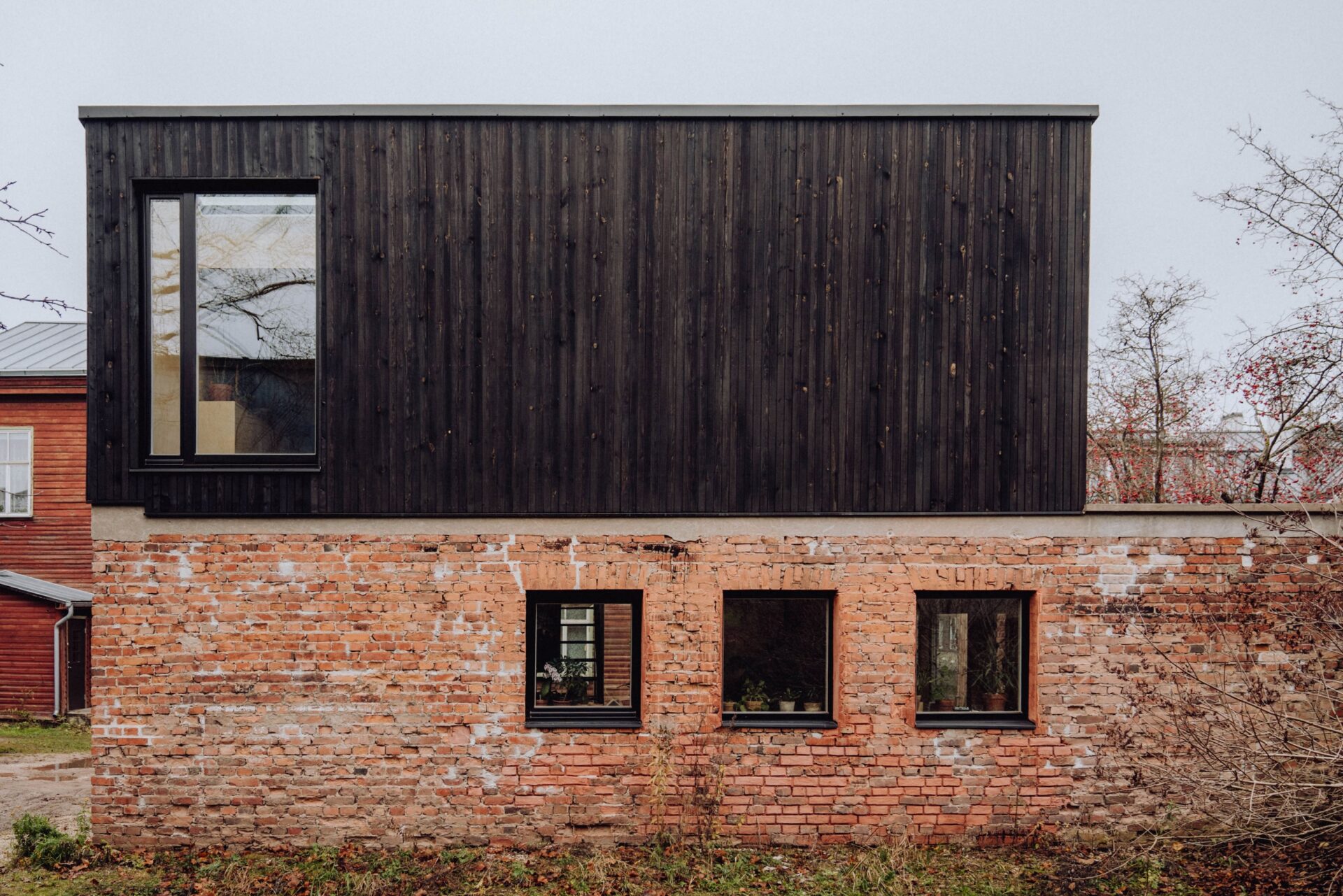
The house is located in the courtyard of the former convent building of fraternity Lettonia in Tartu. The two-storey main house with its front yard takes a step back from the street line pushing the outbuilding further into the block where the traffic noise is replaced with green orchards.
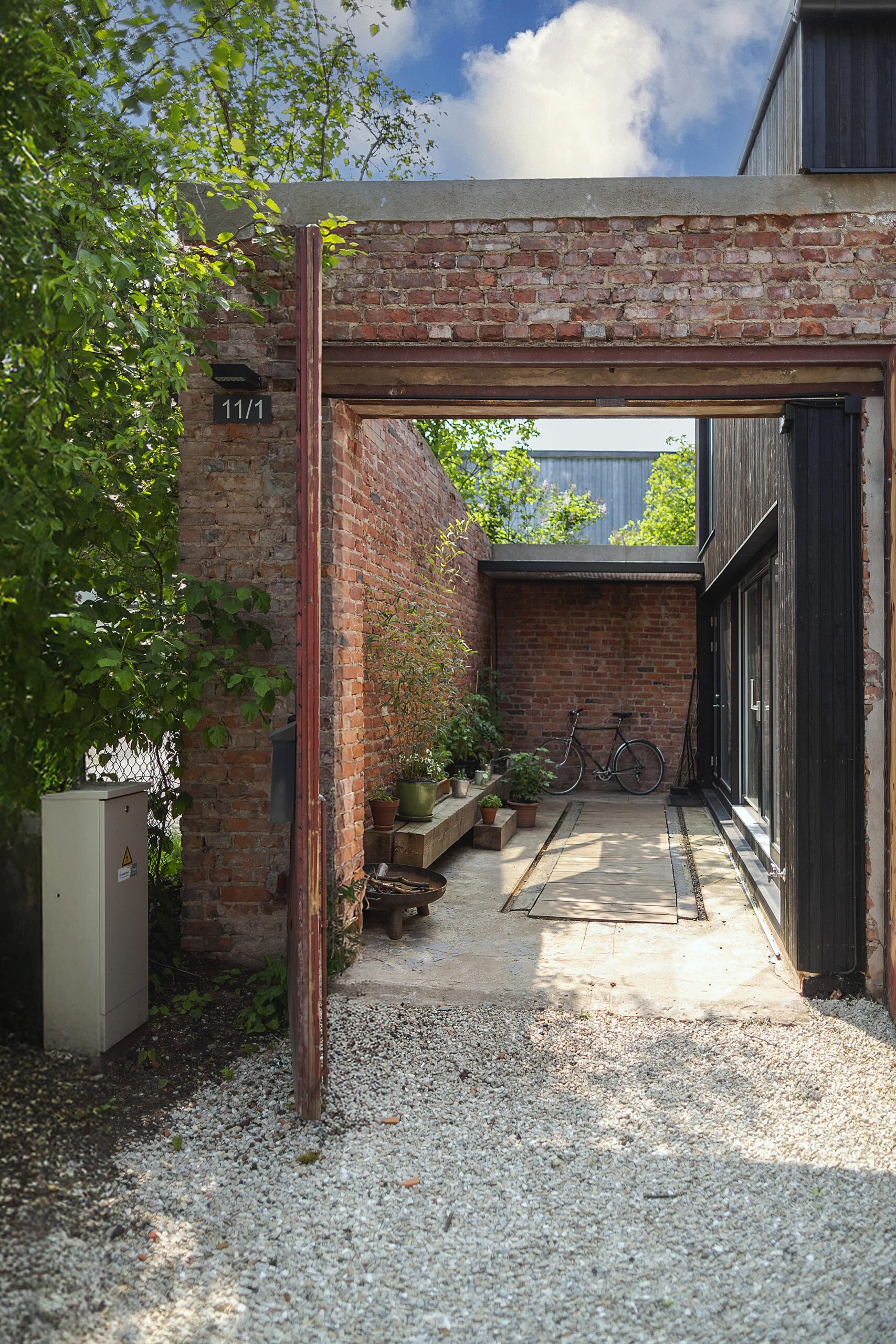
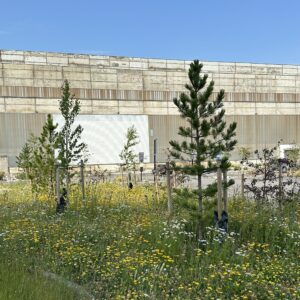
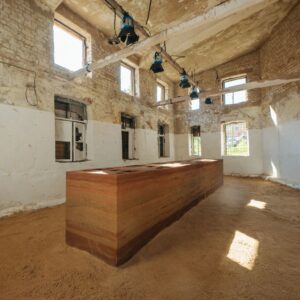
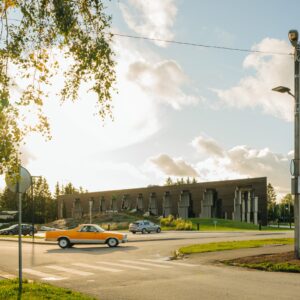
It is a conversion of a double garage built for forest industry vehicles in 1960s. The garage walls were constructed up to 4 meters high due to the large forestry vehicles.
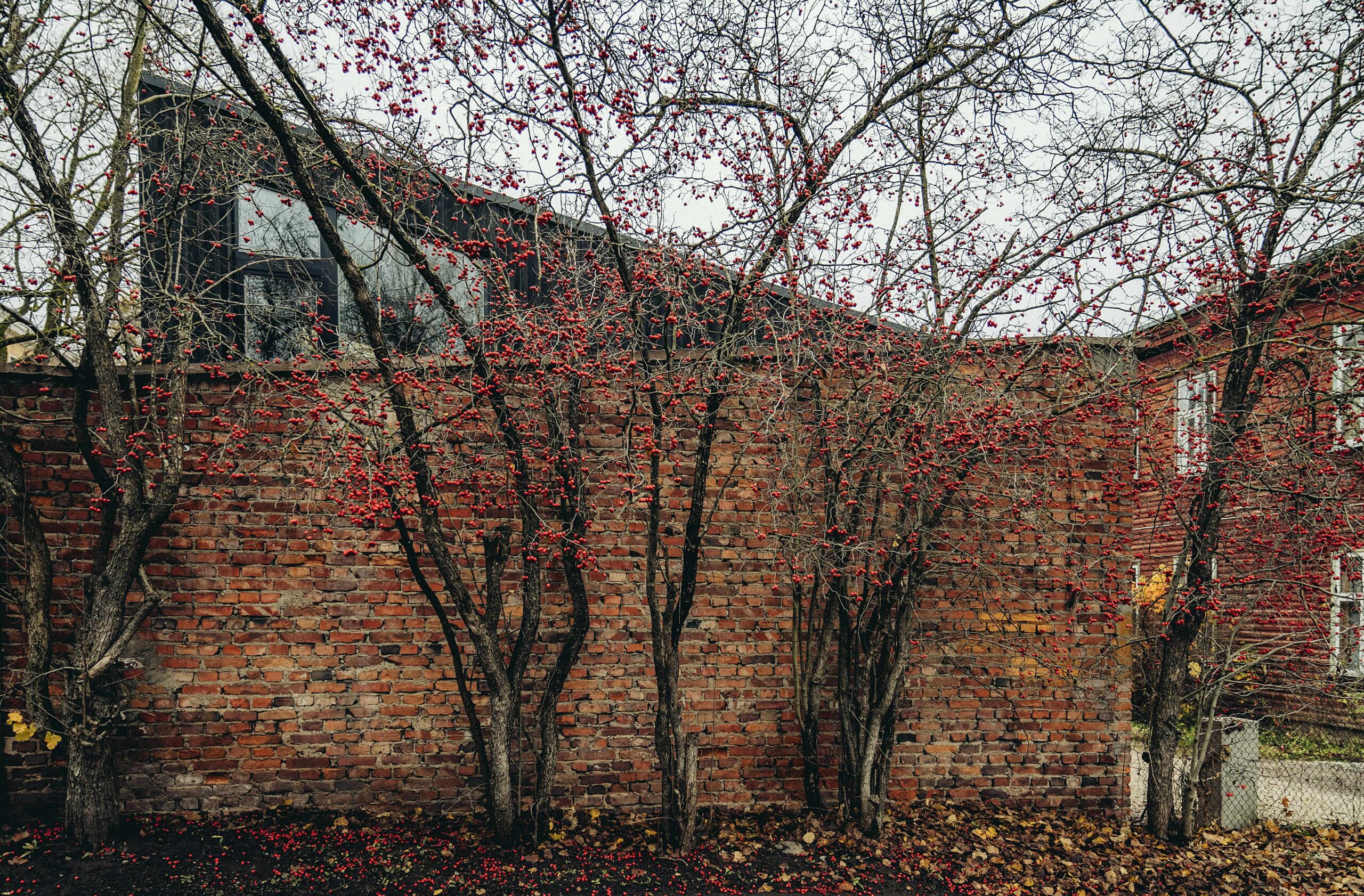
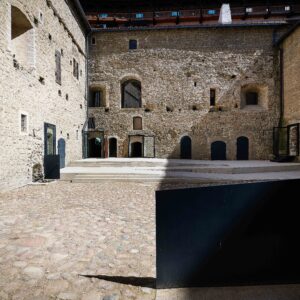
According to historical sources, the garage was built of circular materials. One such material deposit was Vanemuine Theatre, designed by Armas Lindgren, which was damaged in the war and whose bricks were probably used in the construction of the garage.
Until 2023, the garage was used for car repair and storage. It was then put up for sale with a building project design that did not consider the historic brick wall and high ceiling worth preserving. The new owners, however, saw the value of the location, historic wall and geometry of space.
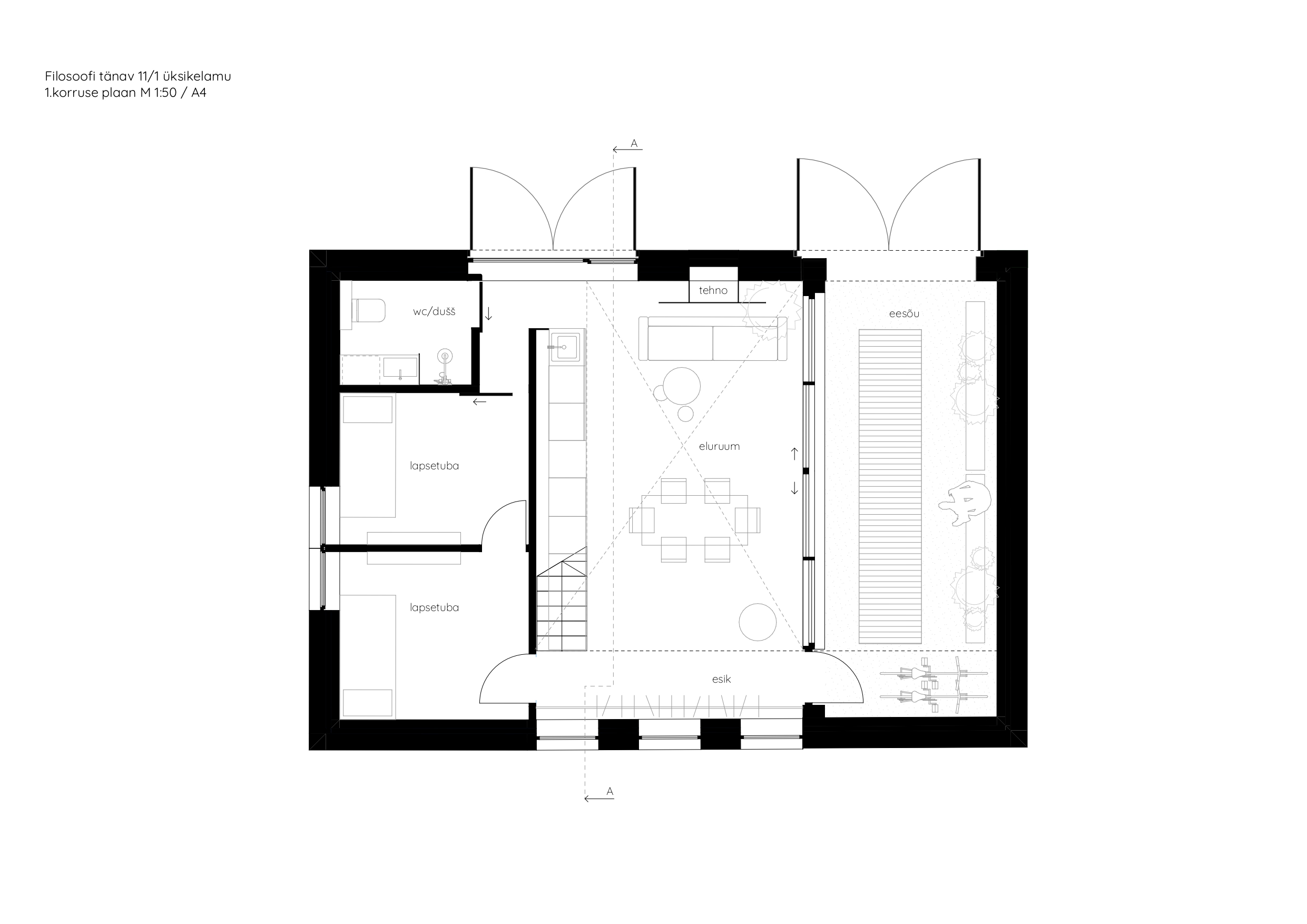
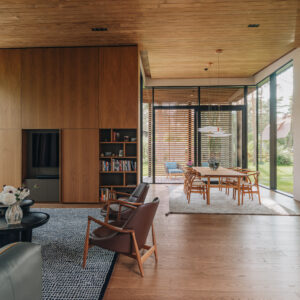
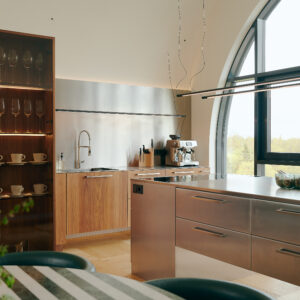
A compact townhouse was designed within and above the old walls sufficient for a family of four. The location on the edge of the city centre, in a quiet green belt of courtyards allows residents to be well connected to both public functions and urban nature.
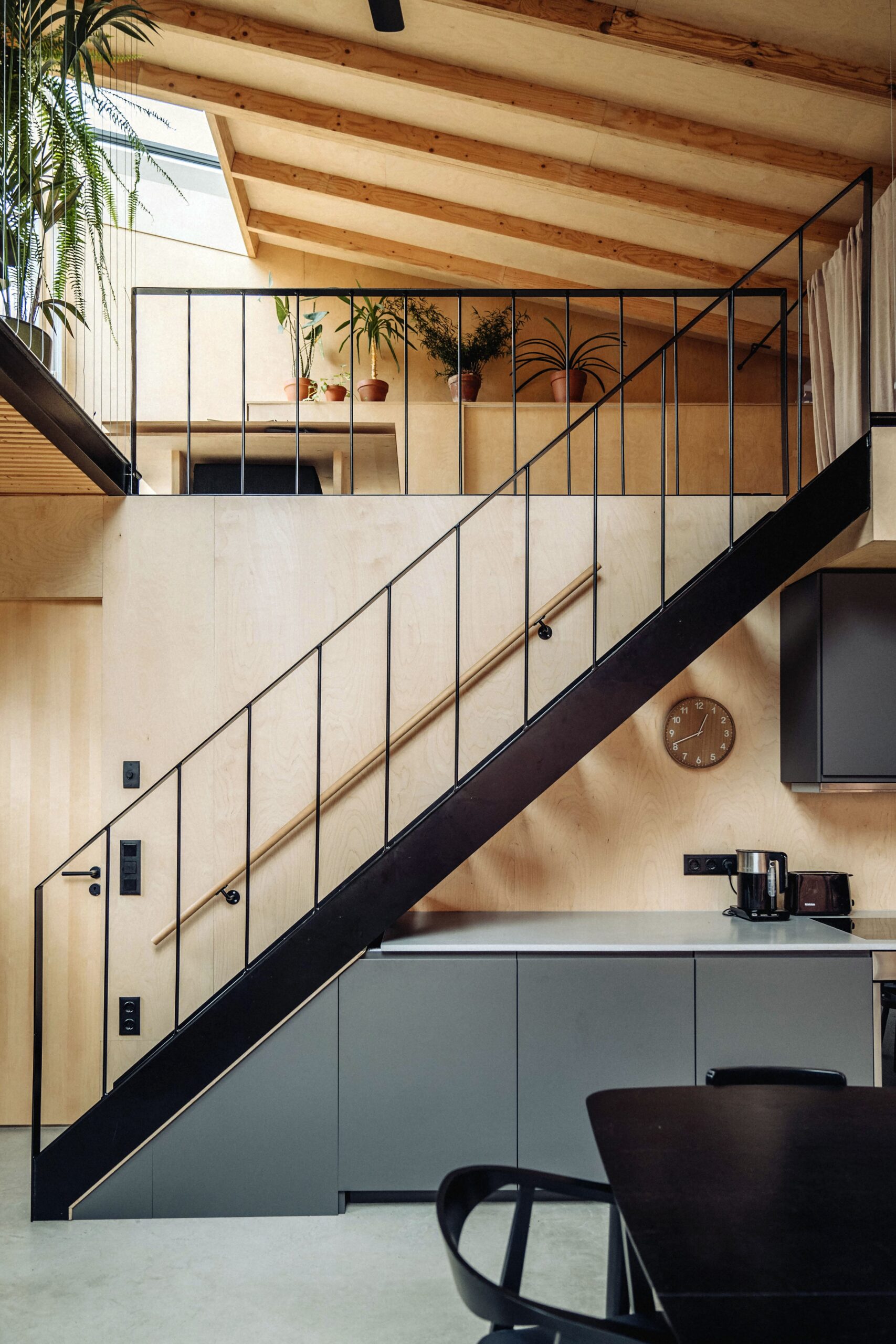
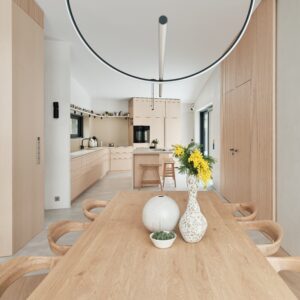
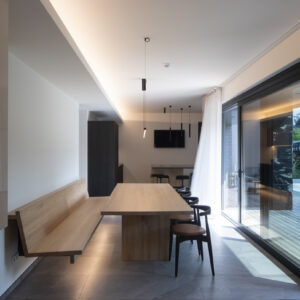
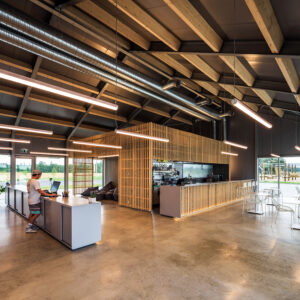
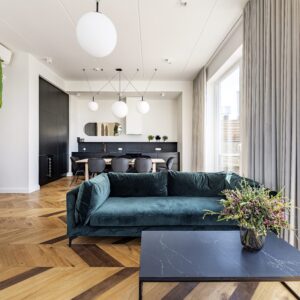
The simplicity and spaciousness in the 80-square-metre house create a quality to appreciate in daily life. The high-ceilinged living room opening to the private yard provides qualities that a larger surface area would not compensate. Children’s rooms are designed to be of minimum size to make the most of the shared spaces.